· via Hacker News – Front Page (hnrss.org)
Anthropic's record $81B IPO lands amid fresh scrutiny of AI's climate toll
Anthropic netted over $81 billion on its first day of trading, valuing the AI lab at up to $1.7 trillion, while new research details the fossil-fuel footprint of the AI buildout.
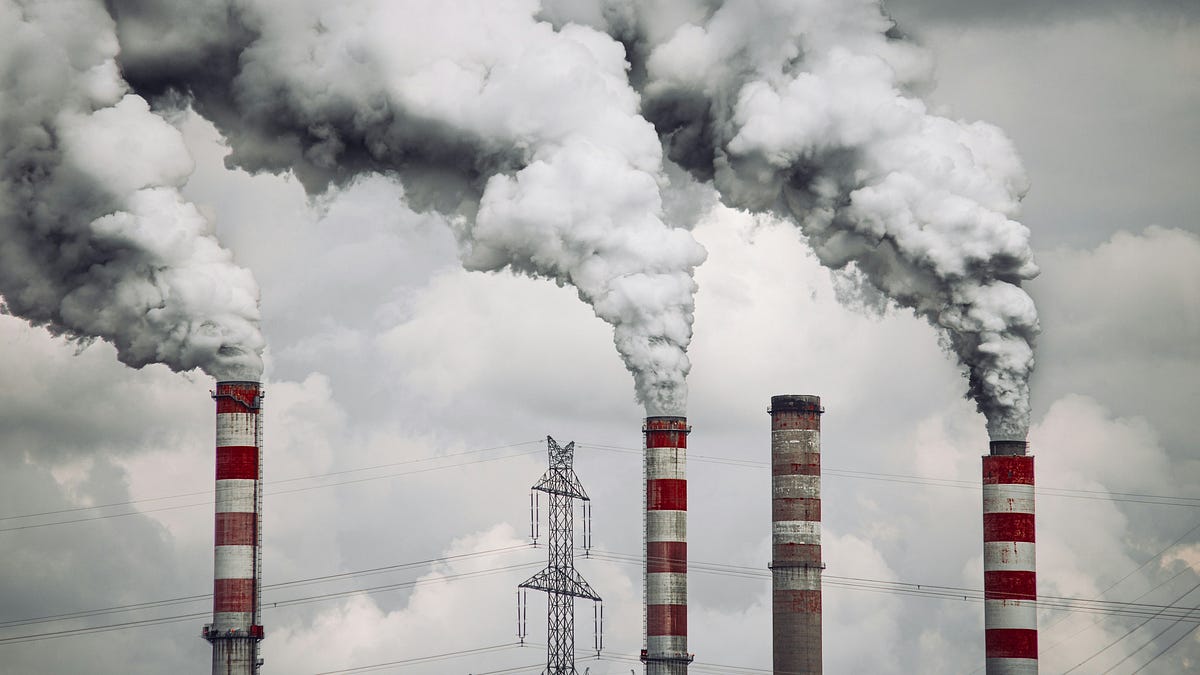
Anthropic's public debut brought the company more than $81 billion on its first day of trading, a figure the newsletter Blood in the Machine ranks among the largest IPOs ever recorded — possibly the largest of all. Five years after its founding, the AI lab now carries a valuation the newsletter puts between $1.3 trillion and $1.7 trillion, depending on how the accounting is done.
The listing did not arrive quietly. It landed in the same stretch as peer-reviewed research and a wave of reporting on the energy powering the AI buildout — and on Anthropic's record in particular.
What the Harvard study found
A study led by Harvard University researchers and published Monday in Nature Sustainability examined electricity consumption and carbon emissions at 403 of the largest US data centers between May 2024 and April 2025. According to the New York Times, it offers the first peer-reviewed accounting of US data center emissions since the AI boom started.
The surveyed facilities together emit an estimated 25.7 million metric tons of carbon dioxide annually — on par with countries such as Bolivia or Denmark — while drawing almost 2 percent of US electricity, more than New York City and Los Angeles combined. Blood in the Machine adds that 54 percent of the power used to run them came from fossil fuels, and that the sites represent roughly half a percent of total US carbon dioxide output.
Why the true figure is probably worse
The measurement window closed in April 2025, and construction has continued since, with natural gas and a smaller share of coal meeting much of the new demand. Writing in the climate newsletter HEATED, Emily Atkin argues the study falls well short of the real total, for several reasons.
The researchers inferred emissions from each facility's grid electricity, which misses data centers that generate their own power: xAI's Colossus campus in Memphis, which runs gas turbines on site, was not among the 403 facilities studied. Cooling systems also leak refrigerants that trap heat, methane escapes from gas infrastructure upstream of the plants, and the tracking methodology may have overlooked as many as 250 operating data centers as of 2025. Blood in the Machine's verdict: read the study as a floor — one that already exceeds the emissions of the entire country of Kenya.
Anthropic's own record
The newsletter pairs the IPO news with Anthropic's energy posture, citing a recent analysis that ranks the company among the sector's worst performers on fossil fuels, with upcoming data center projects that could emit nearly 20 megatons of CO2-equivalent a year. It reports that Anthropic has met some of its compute needs through heavily polluting facilities, including xAI's Colossus plant in Memphis, and has turned to natural gas for its own fast-expanding data centers. Despite building its brand on being an unusually ethical AI company, Anthropic has not released any information about its carbon emissions or environmental impact, according to the newsletter.
An industry-wide problem
A separate report, State of AI Climate Impact 2026 by Australian climate researcher Ketan Joshi, includes a dedicated section on Anthropic and concludes that AI's growth is already driving greenhouse gas emissions upward, and may emit more over its full lifecycle than international aviation does. By some counts, including McKinsey's, the industry is on track to out-pollute coal mining, or global shipping and aviation; it already produces roughly twice the greenhouse gases of the global aluminum industry.
Nor is Anthropic alone in retreat: Blood in the Machine points to Amazon, Microsoft and Google softening climate pledges and reporting less transparently as they expand. Meta, one of the largest US data center operators, released a sustainability report this week showing emissions up 45 percent year over year, and said it is reconsidering its net-zero-by-2030 goal. The Senate, meanwhile, passed BAAJA, a permitting bill meant to set aside key environmental protections so developers can build energy infrastructure and data centers more easily.
Why it matters
A five-year-old company clearing more than $81 billion in a single day of trading shows how much capital is wagered on AI's continued expansion. The research published around the IPO shows what that expansion already costs in physical terms — US data centers drawing nearly 2 percent of the nation's electricity, majority fossil-fired, with credible arguments that the real numbers are worse. And the company at the front of the pack, the one most associated with AI safety and ethics, reportedly discloses nothing about its own emissions. As the industry's footprint scales toward heavy-industry territory, expect disclosure, grid policy and permitting fights to move to the center of the AI story.
- #anthropic
- #ipo
- #climate
- #data-centers
- #emissions