· via Hacker News – Front Page (native)
Cones and eggs: one Denver man has immobilized Waymo robotaxis at least 30 times
Waymo says one Denver man has trapped its robotaxis with traffic cones and egged them at least 30 times; prosecutors declined charges, exposing how cheap physical attacks turn robotaxi caution into a liability.
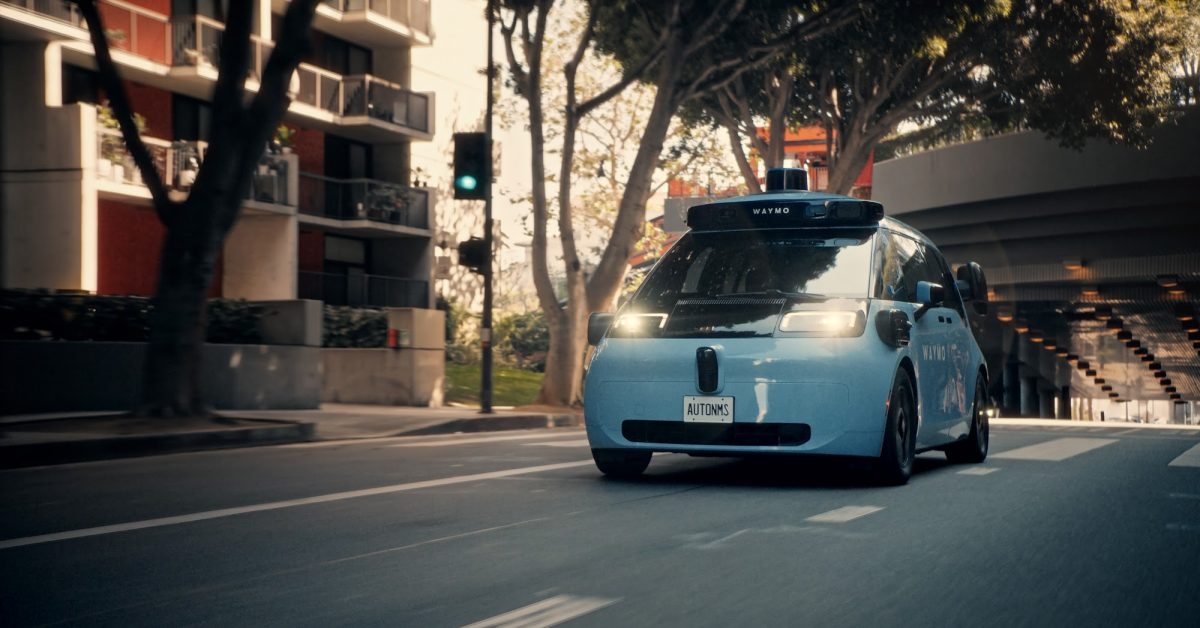
A man in Denver has repeatedly trapped Waymo robotaxis with orange traffic cones and pelted the immobilized vehicles with eggs, according to Electrek. Waymo has counted at least 30 of these attacks in the city, all attributed to the same person, and the Denver District Attorney's Office has declined to press criminal charges, treating the matter as civil.
How the attacks work
The technique is laid out in a Denver police report filed in October. The man pulls up in front of a Waymo in or around downtown, unpacks orange cones from his trunk and places them around the robotaxi so it cannot pull away, then throws eggs — sometimes from the driver's seat, sometimes after stepping out. He drives off in a silver Toyota Corolla that, per the report, belongs to a fleet leased to Lyft drivers. He has not been publicly identified, and Lyft declined to comment.
A passenger on board, and no charges
A Waymo investigator brought seven of the incidents to police. Every egged vehicle had to be pulled from service for cleaning, with detailing costs running to roughly $2,000, and none suffered lasting damage. Police forwarded their findings to prosecutors, who concluded that no criminal charges were appropriate. A spokesperson for the DA told The New York Times that the office is now collecting evidence on potential damage and will work with the city attorney to determine the right legal mechanism to stop the conduct.
At least one attack happened with a rider aboard. Jeff Hunley was traveling toward the Union Station neighborhood in September when his robotaxi was struck. He filmed the incident, said he felt safe inside the vehicle, and received a refund on his fare.
Why a cone can stop a robotaxi
Placing a single cone on a Waymo's hood to freeze the vehicle has been a known tactic since San Francisco activists demonstrated it in 2023. Surrounding the car with cones works the same way: the Waymo Driver is designed to treat traffic cones as obstacles rather than drive through them. A human driver under a barrage of eggs would simply roll over a cone and leave; a robotaxi stays put and waits.
As Electrek notes, that restraint is the correct default, especially right now. On November 11, California's DMV ordered Waymo's driverless vehicles off the state's freeways after several entered active construction zones and one tried to drive past a California Highway Patrol traffic break. Waymo responded by suspending freeway rides in all of its US markets. An autonomous car that decides cones are optional would be a far worse problem than one that can be pinned in place — but the trade-off is that anyone carrying a few cones can hold a robotaxi still for as long as they want.
Denver context and a history of vandalism
Waymo began serving the general public in Denver on September 1, alongside San Diego and Tampa, and now runs more than 100 vehicles across 60 square miles of the city. Mayor Mike Johnston has called the robotaxis popular and affordable, adding that "overall they're a good egg." Vandalism is not new for the company: protesters in Los Angeles set at least five Waymo I-Pace robotaxis on fire last year.
Why it matters
The Denver attacks caused no injuries and no permanent damage, but they expose a structural weakness in how robotaxis operate in public. Autonomous vehicles are engineered to err on the side of caution around obstacles, and a determined person can turn that caution into a cheap denial-of-service attack using everyday objects. The car cannot escape, and the attacker appears to face little legal friction: roughly 30 documented incidents, rider video, a vehicle tied to a known fleet operator and cars covered in cameras were still not enough to produce charges. As autonomous fleets expand, cities, prosecutors and operators will need to work out what counts as interference with a driverless vehicle carrying a passenger, and who bears the cost of stopping it.
- #waymo
- #autonomous-vehicles
- #robotaxis
- #self-driving
- #security