· via Google AI blog
Designers built custom AI styling and runway tools in Google Flow for New York Fashion Week
Ahead of New York Fashion Week, Google worked with designers Jane Wade and Sergio Hudson to build two bespoke tools in Flow, its AI creative studio, for virtual styling and budget-conscious runway staging.
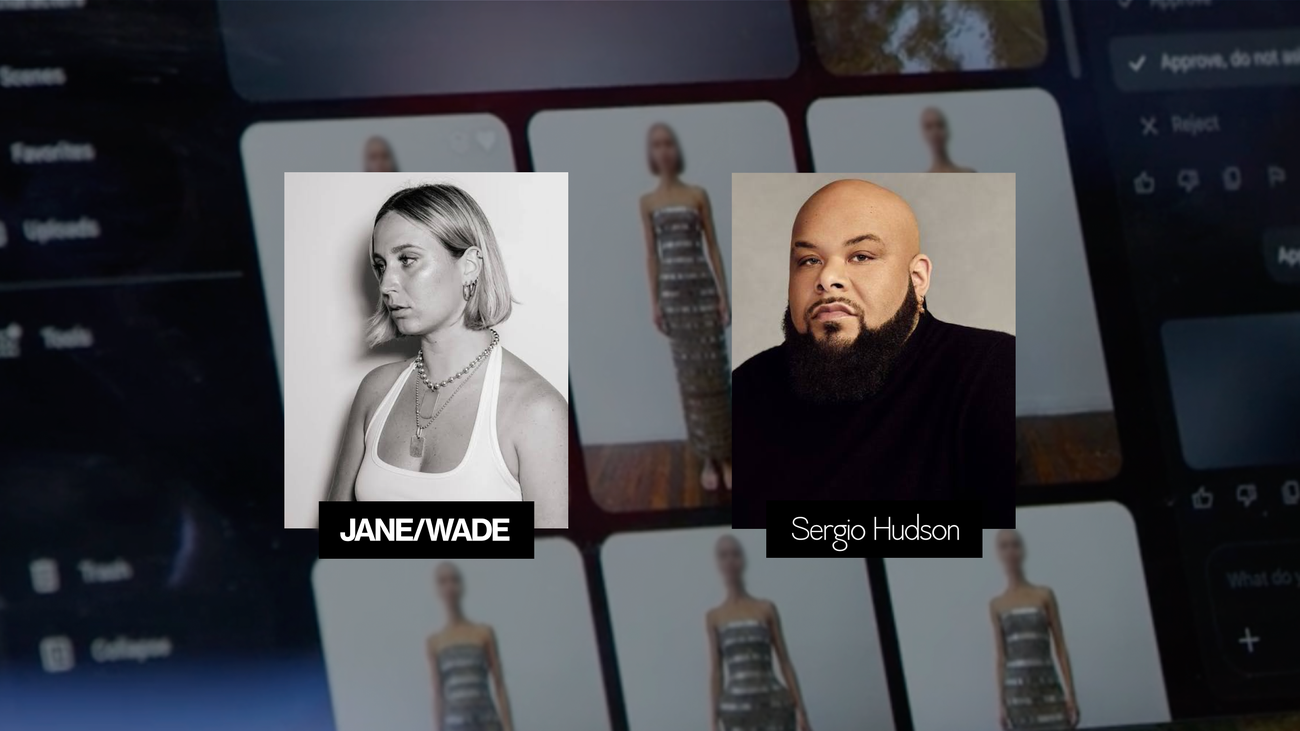
Ahead of New York Fashion Week, Google's Envisioning Studio, with backing from Google Labs, worked alongside designers Jane Wade and Sergio Hudson to build two purpose-made tools inside Google Flow, the company's AI creative studio. According to the Google AI blog, each tool tackled a concrete production problem: Wade needed to compose complete runway looks before any fabric was cut, while Hudson had to stage a show without overspending.
Virtual fittings before the sewing begins
Wade's tool, named Styling Suite, digitized the look-building process that normally happens in person. The Google AI blog notes that casting and fittings can consume up to three full days of a design team's time. With Styling Suite, Wade could assemble hair, makeup, accessories, shoes and garments on digital models and then adjust the combinations virtually. The practical benefit was speed plus waste reduction: she could judge whether a head-to-toe look felt balanced and spot missing elements before commissioning additional physical samples.
A runway simulation that respects the budget
Hudson's constraint was money. Under his previous process, every request to change lighting or props required the production crew to produce a fresh 3D render, and each revision pushed costs higher. Runway Visualization, the Flow tool co-developed for him, replaced that back-and-forth with a simulation of the venue. Hudson could rearrange the set, try alternative lighting and prop options, and check which configurations stayed within budget before committing to anything. He also used the tool to plan the routes models would walk, tying the staging choices to the experience of the audience.
Tools built by describing them
The broader argument Google draws from the collaboration concerns adoption rather than novelty. The blog observes that plenty of AI enthusiasm in fashion never gets past the experimental stage, and that the more productive path is co-developing tools that fit inside a designer's existing process while leaving creative control in the designer's hands. Google also points out that Flow users can build their own custom tools by describing the tool or workflow they want in natural language, with no coding experience needed, which frames these two tools as instances of a capability open to anyone rather than a closed partnership. The starting observation behind the project is telling as well: ask an independent designer how their day is spent and the answer is rarely designing clothes, since administration, factory logistics and vendor coordination dominate the calendar.
Why it matters
This is a useful data point in the running debate over generative AI in creative fields: whether such tools replace creative judgment or compress the uncreative labour around it. Google's account is promotional by nature, but the pattern it describes is the latter. The AI handles simulation and iteration, from digital fittings to venue mockups, while decisions about balance, budget and show pacing remain with the designers. The no-code angle lowers the barrier further: if the only requirement for a bespoke tool is the ability to describe it, adoption becomes a matter of articulating a workflow rather than hiring engineers. And because both tools targeted time and cost, fittings, renders and revisions, rather than the garments themselves, they illustrate how AI can enter fashion sideways, through production logistics, instead of through the contested territory of machine-generated design.
- #google-flow
- #generative-ai
- #fashion-tech
- #ai-tools