· via Hacker News – Front Page (native)
Developer says Google closed a dormant Play account and left no clear way back in
A developer whose Play Console account was closed for inactivity says Google offers no route to re-register, and that even distributing an APK outside the store now runs into verification fees and identity checks.
What happened
A developer posting as @0xcrypto on X, in a thread that surfaced on the front page of Hacker News, has described being locked out of Google's app ecosystem after a period of inactivity. According to the post, they originally opened a personal Play Console account with the intention of building games for Android, but never finished a project. Google subsequently closed the account for inactivity.
When the developer returned with a finished app they wanted to publish, they found the old account could not be restored. Instead, the console displayed a message instructing them to create a new account to publish on Google Play. As described in the post, however, the developer was unable to find any working method to set up a new Play Console account, leaving them stranded between a closed account and an apparently unavailable new one.
The verification wall
Faced with losing Play Store distribution entirely, the developer considered releasing the app as an APK through F-Droid, the open-source Android app repository. But according to the post, distributing an APK in the future will require signing up for Google's Android Developer Verification Program.
The developer outlines three objections to that requirement. First, the program carries a $25 fee, which they characterise as an unjustified cost for a hobby project that generates no revenue. Second, it requires disclosing their identity to Google. Third, the requirement appears to apply even to software given away for free, not just commercial products.
Sharing with a handful of users
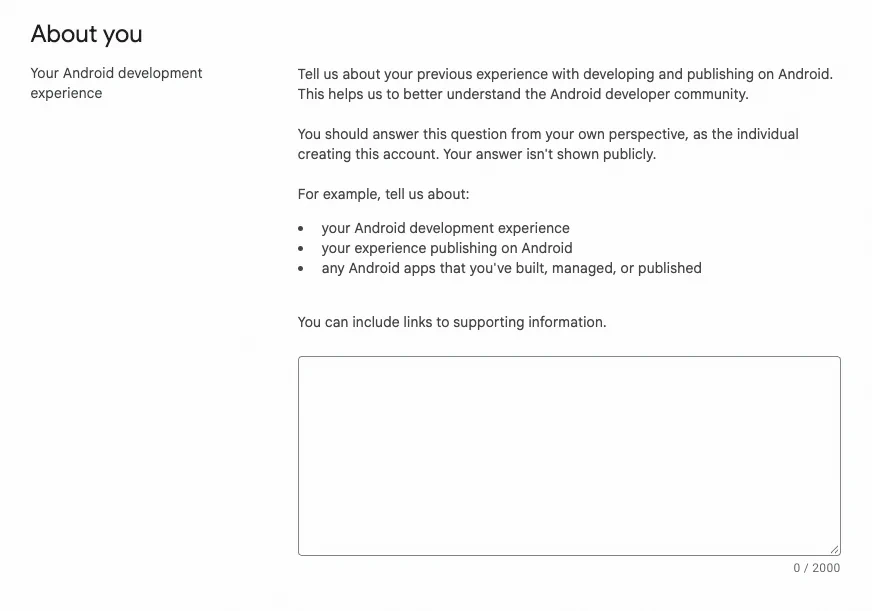
The post also covers the narrowest case: sharing a development build directly with friends. According to the developer, distributing to 20 or fewer users waives the $25 fee, but a verified payments profile is still required, along with answers to questions about the developer's intentions for publishing on Android. The developer's exasperation at having to explain their plans to Google simply to share a build with a small group of acquaintances is the emotional core of the thread.
The post closes with a bitter question about how candidly those intent questions can be answered, reflecting a broader sentiment among small developers that platform gatekeeping has grown intrusive.
Caveats on the account
This is a single developer's account of their experience, relayed through a social media post and amplified on Hacker News. Google has not publicly responded to the specific complaints in the available material, and the precise mechanics of the account closure, the re-registration path, and the verification requirements cannot be independently confirmed from this source alone. Notably, the developer's own description contains an unresolved contradiction: Google's on-screen message says a new account can be created, yet the developer reports being unable to find where or how.
Why it matters
The thread touches a persistent problem in developer-platform relations: policies designed to reduce spam, malware and abandoned accounts end up punishing legitimate small developers. Closing dormant accounts is defensible hygiene for a store with millions of listings, but the consequences fall unevenly. A hobbyist who pauses for a year loses their account; a returning developer faces fees, identity checks and, in this account, an unclear path back in.
The verification requirements raise a second issue. Identity checks for app distribution are typically justified as an anti-malware measure, and there is a real argument for them. But applying payments-profile verification and intent questionnaires to someone sharing a build with under 20 people sets a high floor for casual and open-source development on Android. The practical effect, as this developer illustrates, is to push small publishers toward alternative channels like F-Droid, or away from the platform entirely.
For Google, the risk is cumulative: every friction point at the low end of the ecosystem reduces the pipeline of hobbyists who occasionally become serious developers. For developers, the lesson is that an unused account on a major platform is not a dormant asset but a liability that can expire.
- #android
- #google-play
- #app-distribution
- #developer-accounts
- #mobile