· via Hacker News – Front Page (native)
EPA proposal would drop public comment requirement for data center air permits
The EPA wants to remove a federal rule requiring states to notify the public about air pollution permit applications, a change that could speed up data center construction by cutting communities out of the process.
What the EPA is proposing
The U.S. Environmental Protection Agency is preparing to eliminate a federal rule that requires states to notify the public about air pollution permit applications and collect feedback before approval. According to Tom's Hardware, which cites reporting from The New York Times, the change targets permits for "minor source" pollution — a category that covers facilities such as landfills, laundromats and steel mills, but which increasingly includes data centers.
Under current rules, a permit filing must be publicized and opened to a 30-day public comment period. If the proposal takes effect, states could drop that step entirely, because federal law would no longer mandate it. The EPA's position has been that minor sources do not warrant federal oversight, effectively leaving the decision on public participation to individual states. Tom's Hardware reports the change could go into effect within the next year.
Why data centers are the flashpoint
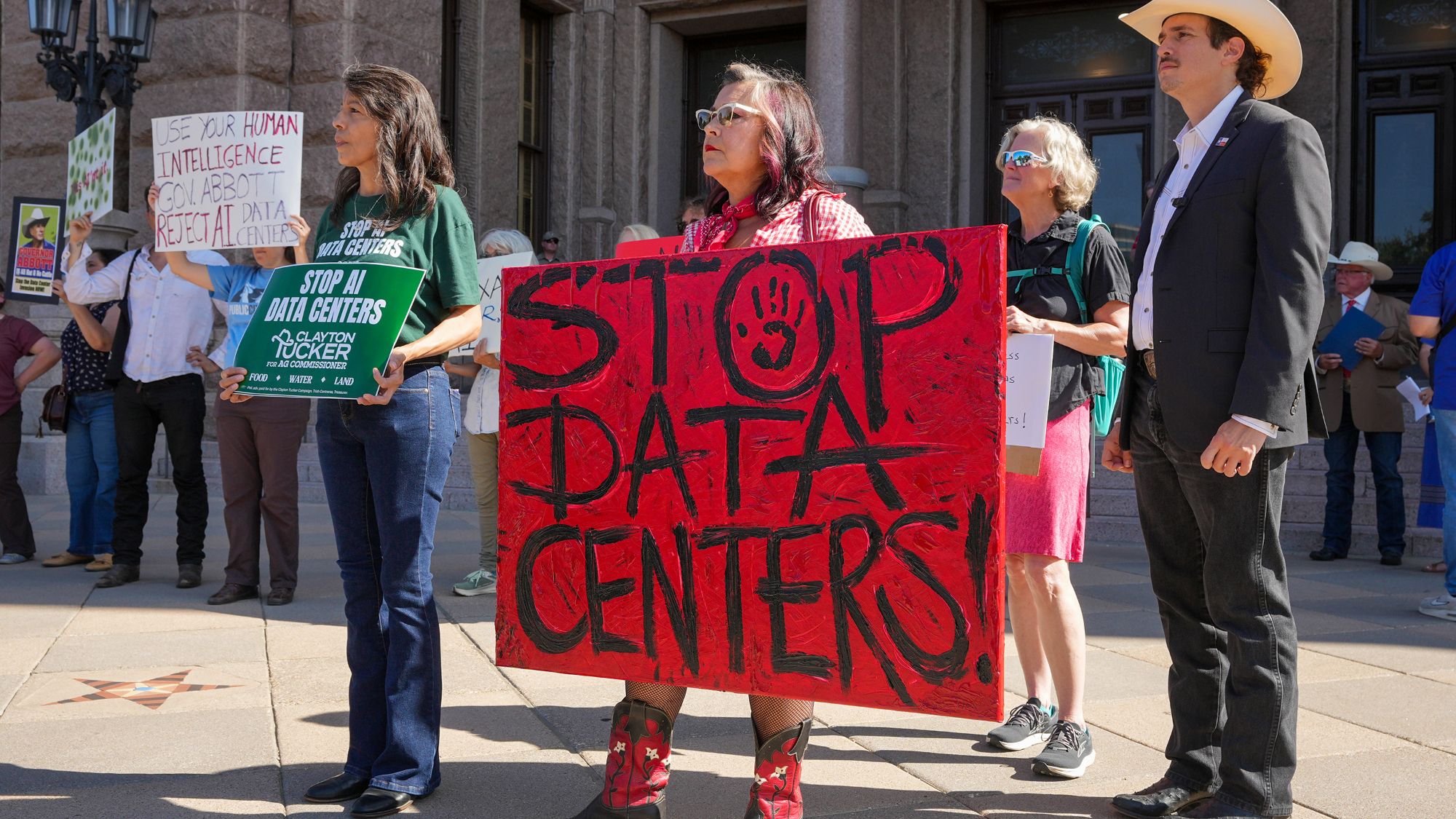
Although the rule covers many facility types, the debate centers on data centers, which have become a focal point for local opposition to AI infrastructure buildout. The environmental footprint of these facilities is growing as AI capacity expands.
Tom's Hardware points to analysis from the Harvard School of Public Health estimating that the Vantage data center in Loudoun County, Virginia, contributes between $53 million and $99 million in annual health damages — the largest such estimate ever attributed to a single facility. Separate analysis by researcher Michael Cork also shaped public debate in Fluvanna County, Virginia, over a proposed fossil fuel plant expansion that was ultimately denied.
State attorneys general push back
Attorneys general from 14 states and three cities have signed an open letter opposing the change. "Despite the name, even 'minor' sources can pose significant health and environmental impacts," the letter argues, warning that removing the publication requirement and comment period would sideline fundamental transparency and democratic safeguards in the name of administrative expediency — particularly, the letter says, to accelerate the buildout of data centers and other AI infrastructure.
Where public input already faltered
The existing process has not always functioned as intended. In Gilroy, California, an Amazon data center began construction last month without the knowledge of many residents, because a years-long approval process meant the public comment window had lapsed two years before construction started. In Festus, Missouri, residents sued their city, arguing they were not given adequate time to review a data center proposal before officials moved forward.
What happens next
For now, the public comment requirement remains in force. States are still free to set stricter environmental standards than the federal minimum, so the practical effect of the EPA change would vary by state: some would keep public participation in place, while others could end it. If finalized, the proposal would shift responsibility for regulating these facilities onto the states.
Why it matters
Air permits are one of the few formal levers communities have to influence where data centers are built and how much pollution they emit. Removing the federal mandate for public notice would speed up permitting for AI and cloud infrastructure, but it would do so by weakening residents' ability to contest facilities that, as the Harvard analysis suggests, can carry substantial local health costs. For cloud and AI operators, faster permitting removes a key friction point in capacity expansion; for communities near new facilities, it removes a procedural safeguard that in at least two documented cases was already strained.
- #data-centers
- #cloud-computing
- #ai-infrastructure
- #environmental-regulation
- #epa