· via Hacker News – Front Page (hnrss.org)
FBI arrests CBP supervisor who allegedly stripped DHS PCs and traded parts to Newegg
A Customs and Border Protection supervisor in Maine faces federal charges after the FBI alleged parts from at least 46 DHS computers were swapped out and traded in for store credit.
What happened
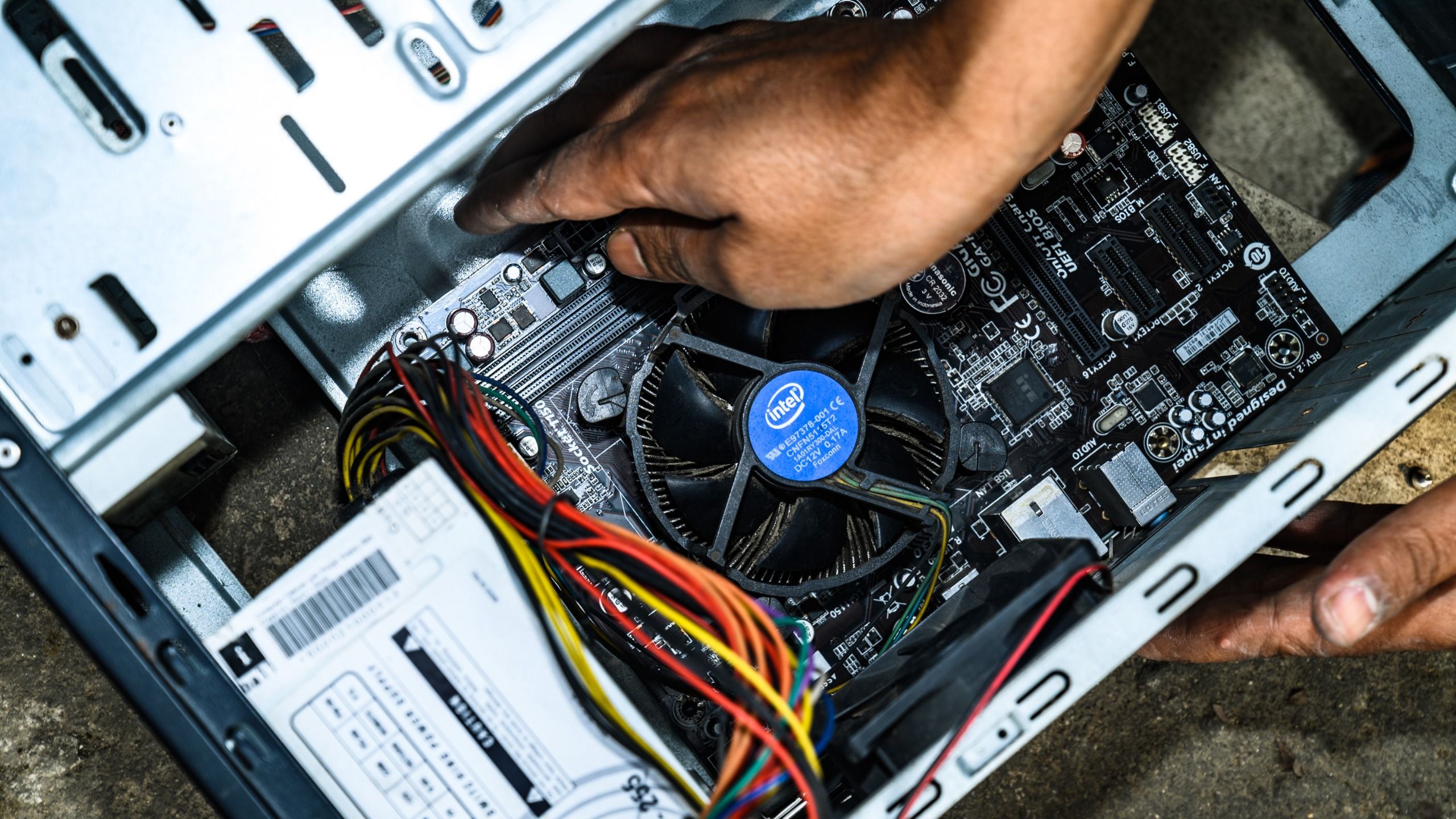
The FBI has arrested and charged Terry "Jiajia" Liu, a Customs and Border Protection supervisor stationed in Calais, Maine, with theft and damage to government property. According to Tom's Hardware, citing reporting from The Maine Wire, Liu allegedly removed processors, memory modules and hard drives from Department of Homeland Security computers at three border facilities in Maine, then installed inferior replacement parts.
At least 46 machines were affected. Per the affidavit described in the reporting, 39 computers had their processors replaced, six had memory modules swapped, and eight had hard drives changed. The original systems were built around Intel 14th-generation Raptor Lake Refresh chips, but inspections found some machines running much older silicon, in several cases downgraded to Pentium-class processors, and other systems carrying less RAM and storage than their intended configuration.
How the swaps happened
Liu's official duties were reportedly limited to IT support and did not include permission to modify government computers. Port Director Theodore Cummings had issued a written instruction telling Liu not to move computers or computer parts, according to the report. Hidden surveillance cameras nevertheless recorded Liu opening government systems during the midnight shift and taking them to a training room to perform the swaps. One recording reportedly shows thermal paste being scraped off a processor with a screwdriver before a different chip was installed, and another captured a memory module being removed and placed in a desk drawer.
The Newegg paper trail
Rather than selling the components on the second-hand market, Liu allegedly used Newegg's trade-in program. Investigators found 13 emails exchanged between a personal account and Liu's official CBP address containing shipping labels and trade-in receipts for processor models matching the components missing from government machines.
Newegg's transaction records reportedly showed Core i7 Raptor Lake Refresh chips traded in 16 times over 14 months, from May 2025 to July 2026, with offers of $200 to $210 per processor. Investigators also found three $200 credits from the retailer in Liu's American Express records.
Confession and cost
During an interview, Liu reportedly admitted replacing hardware in the government computers with lower-performing parts bought on Amazon and Newegg, and acknowledged submitting the government-owned components to the trade-in program. Liu initially claimed the goal was to improve computer performance and cut down on repair times, but later admitted the changes actually degraded performance.
The financial damage is significant. Restoring the stolen hardware is estimated at roughly $20,460, while fully replacing all 46 compromised systems with equivalent machines would cost about $105,800, according to the report, and additional labor to configure each system for government use would push the bill higher still.
Why it matters
This is an insider-threat case inside an agency responsible for border security, and the impact goes beyond the resale value of the stolen silicon. Machines at DHS facilities were quietly running altered, downgraded hardware for more than a year, and the scheme surfaced through hidden cameras and retail transaction records rather than routine IT checks.
For organizations that operate fleets of government or enterprise PCs, it is a reminder that hardware integrity is part of security policy: unverified component swaps can degrade systems and complicate trust in the machines running sensitive operations. The case also shows how third-party paper trails, such as trade-in receipts, credit card records and shipping labels, often become the decisive evidence in cases like this. Finally, the economics are lopsided: a few hundred dollars of store credit per part against a six-figure replacement bill, before accounting for the labor of rebuilding trust in the affected systems.
- #security
- #hardware
- #insider-threat
- #fbi
- #dhs