· via Hacker News – Front Page (native)
FCC authorises SpaceX's million-satellite space data centres; ESO warns of astronomy harm
The FCC has authorised SpaceX to deploy a one-million-satellite constellation for space-based data centres, a decision the European Southern Observatory says will harm astronomy and the night sky worldwide.
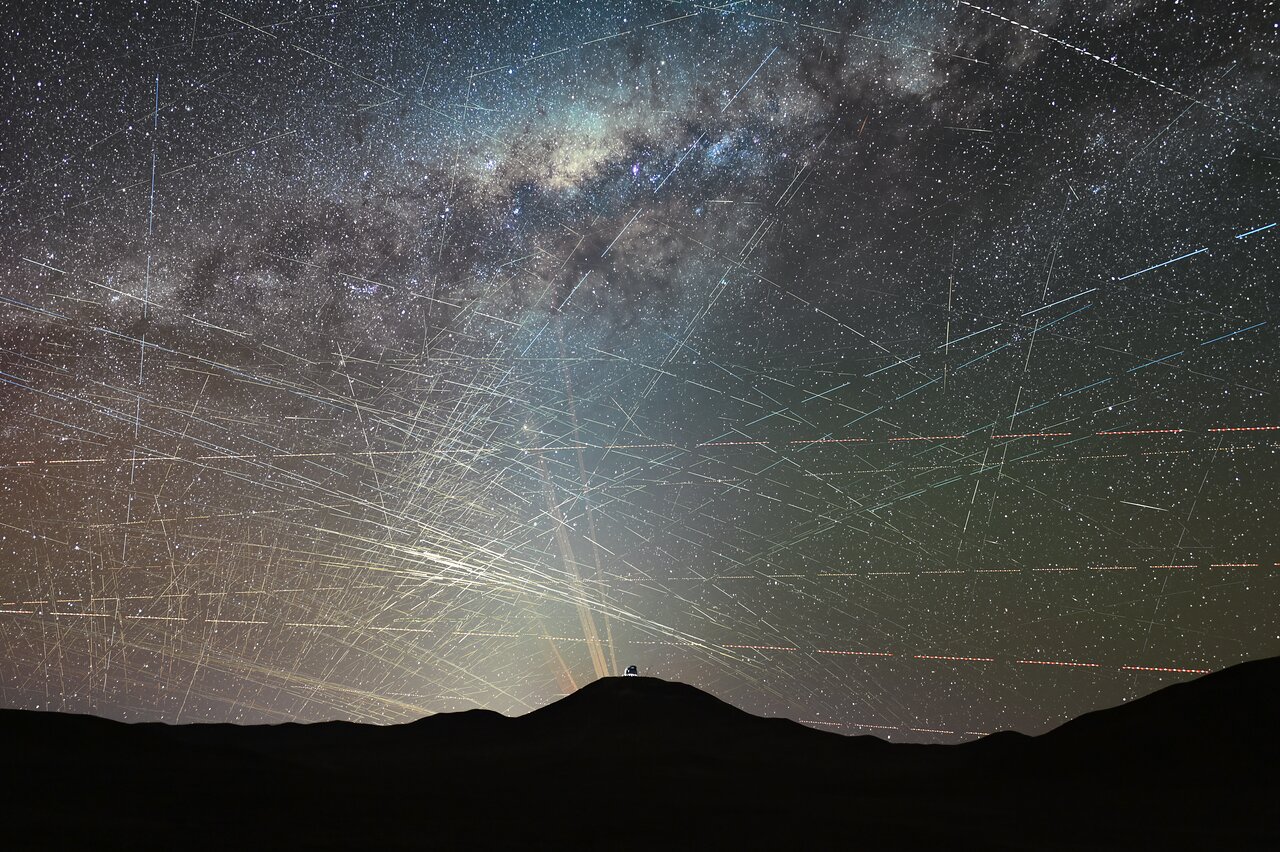
FCC approves a million-satellite data centre constellation
The US Federal Communications Commission has authorised SpaceX to deploy a constellation of one million satellites intended to host data centres in space. According to a statement from the European Southern Observatory (ESO) published on 26 November 2026, the FCC announced its decision on 25 November, and the ESO response quickly drew broad attention after appearing on the front page of Hacker News.
ESO, the intergovernmental body that builds and operates some of the world's most powerful ground-based telescopes, did not welcome the approval. Director General Andreas Kaufer said that, as licensed, the project would seriously damage astronomy and reshape what the night sky looks like for every person on Earth. The decision, he argued, points to the need for international mechanisms capable of weighing activities whose effects extend far beyond the borders of any single country and affect a resource shared by all of humanity.
The technical case ESO put to the FCC
ESO's position rests on a peer-reviewed technical study led by ESO astronomer Olivier Hainaut and published earlier in the year, which modelled how large constellations of bright satellites affect ground-based observation. When the FCC opened a public comment period covering the SpaceX proposal alongside a separate plan from Reflect Orbital, ESO submitted a formal response drawing on that study, working with the UK's Royal Astronomical Society and the International Astronomical Union. The American Astronomical Society has also issued a statement on the approval.
The study's central finding is blunt: although satellite operators, SpaceX included, have been making their individual satellites less bright, the number of spacecraft now approved means the trails they leave across astronomical images will exceed anything that observation techniques can correct for. Among the observations at risk are faint distant galaxies, Earth-like planets orbiting other stars, and asteroids that could pose a threat to Earth.
Effects that go beyond telescope images
ESO identifies further consequences that better satellite design cannot fix:
- A million satellites would generate radio noise that interferes with radio astronomy.
- The volume of launches required to build the constellation, and the satellite reentries that follow, would add pollution to the atmosphere.
- The population of spacecraft would crowd low-Earth orbit, raising the risk of chain-reaction collisions.
The organisation stresses that it is not opposed to innovation in space, but wants governance frameworks that balance it against protection of the night sky, scientific research and the long-term sustainability of the orbital environment. It argues that decisions with global consequences should be grounded in scientific evidence and assessed through appropriate international processes rather than left to a single national regulator.
Why it matters
A constellation of this size is, in effect, an attempt to move data-centre-scale computing into orbit. If it proceeds, cloud infrastructure would extend beyond Earth's surface on a scale involving one million spacecraft, and the FCC's decision sets a precedent for other operators eyeing similar projects. It also exposes a governance gap: one national agency can authorise a project whose side effects, from brighter skies and noisier radio spectrum to crowded orbits, are borne globally by scientists and the public alike. For the cloud and telecom industries, the approval signals that orbital compute has moved from concept to regulatory reality, and that the rules governing it, and who pays for its externalities, are still being written.
- #spacex
- #fcc
- #satellites
- #space-data-centres
- #astronomy