· via Hacker News – Front Page (native)
Fujifilm to expand LTO tape production fivefold as AI drives archive demand
Fujifilm will invest about $63 million to quintuple LTO tape output from fiscal 2025 levels by fiscal 2028, citing generative AI-driven data growth and cloud operators' demand for cheap, air-gapped storage.
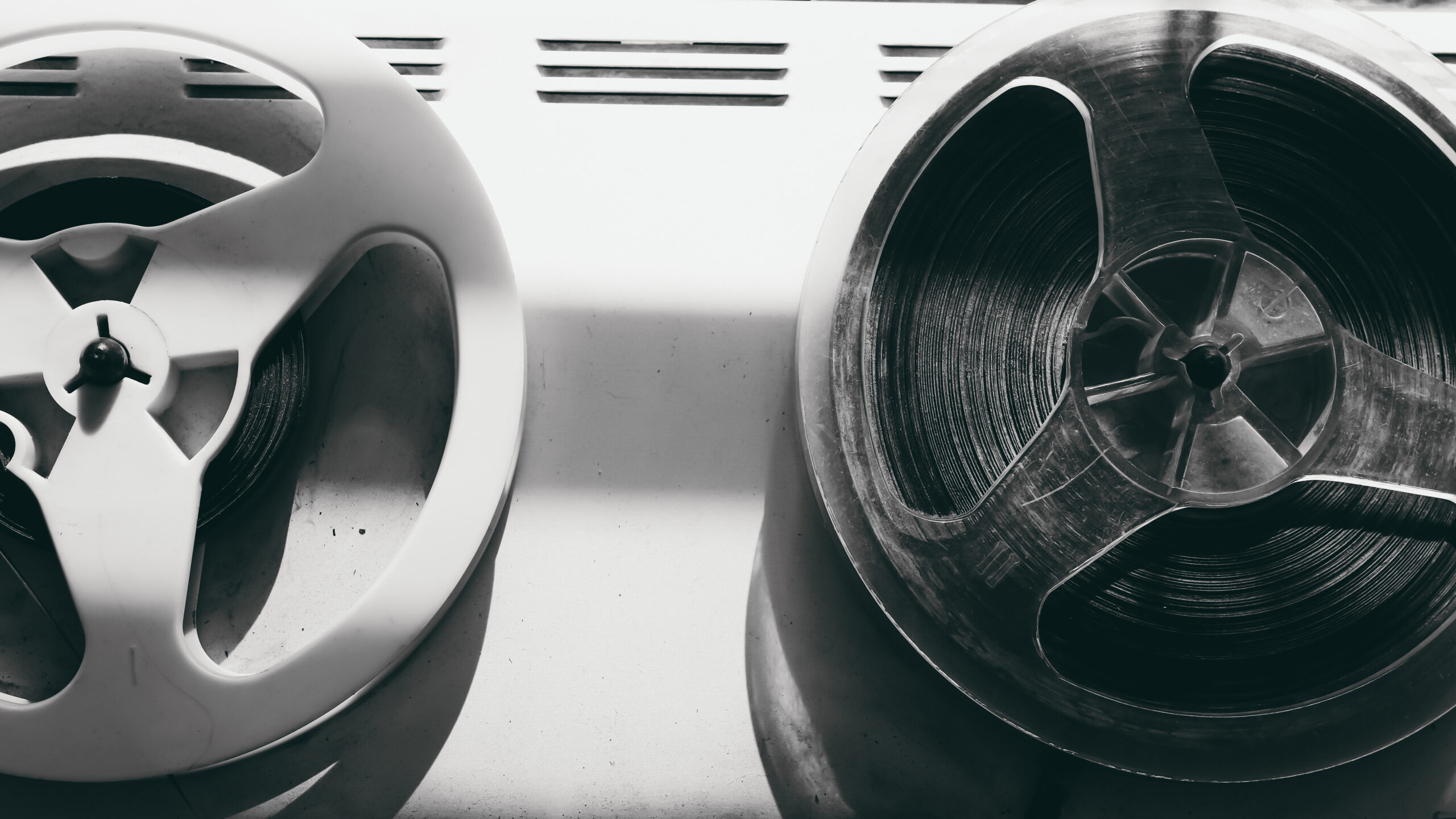
Fujifilm is quintupling tape capacity
Fujifilm announced on Thursday that it will spend roughly 10 billion yen, about $63 million, to increase its magnetic tape production capacity fivefold, according to Ars Technica. The jump is measured against the company's fiscal 2025 output levels, and the money will go to its Kanagawa Factory in Odawara, which Ars Technica describes as the recipient of the largest investment Fujifilm has ever made in a facility dedicated to LTO tape.
The project runs from fiscal 2026 through fiscal 2028 and funds both expanded manufacturing and additional personnel. Its main product will be the newest-generation LTO Ultrium 10 cartridge.
Generative AI is pulling archive demand
Fujifilm ties the expansion directly to the spread of generative AI, which the company credits with driving rapid, compounding growth in global data volumes. The AI build-out is usually told through GPUs, power contracts and data center construction, but the data those systems ingest and produce has to live somewhere, and not all of it needs to sit on fast, expensive storage. Fujifilm says major cloud service and data center operators have been widening their use of tape precisely because it holds very large volumes at comparatively low cost.
Tape never actually left
Consumer gear dropped tape decades ago, but the enterprise market never did, as Ars Technica points out; cloud giants still rely on it to back up enormous data troves. Fujifilm's own history with the medium stretches back to the 1950s. It shipped its first LTO Ultrium tape in 2000, became in 2011 the first company to commercially produce tape using barium ferrite magnetic particles, and introduced LTO Ultrium 10 in 2025. That generation is the first to use what Fujifilm calls "fine hybrid magnetic particles," combining barium ferrite with strontium ferrite technology. Each successive generation up through the current Gen 10 has delivered meaningful gains in both compressed and uncompressed capacity, while figures for Generations 11 through 14 remain consortium projections rather than shipping products.
Air gaps as a ransomware defence
Cost is only half the argument. Tape cartridges can be physically disconnected and shelved in a drawer, a vault or an entirely separate facility, which creates a natural air gap between the data and any network-borne attacker. Fujifilm argues that as cyberattacks grow more sophisticated, this property is drawing fresh attention to tape as a way to protect data from threats such as ransomware — effectively a last line of defence for copies that attackers reaching a network cannot touch.
Why it matters
A fivefold capacity expansion is a strong statement about where Fujifilm expects data infrastructure demand to go. Generative AI is not just straining compute; it is straining storage, and the cheapest tier of large-scale storage is still tape. The investment also reflects a security shift: after years of damaging ransomware incidents, the ability to keep a copy of data physically unreachable has turned a medium consumers abandoned decades ago into a growth business. If Fujifilm's forecast holds, one of the least glamorous layers of the AI era — cold archives on magnetic tape — will also be one of its most reliable ones.
- #data-storage
- #cloud
- #ai
- #magnetic-tape
- #fujifilm