· via Hacker News – Front Page (hnrss.org)
Google Japan shows conveyor-belt Gboard with four belts of 29 keys each
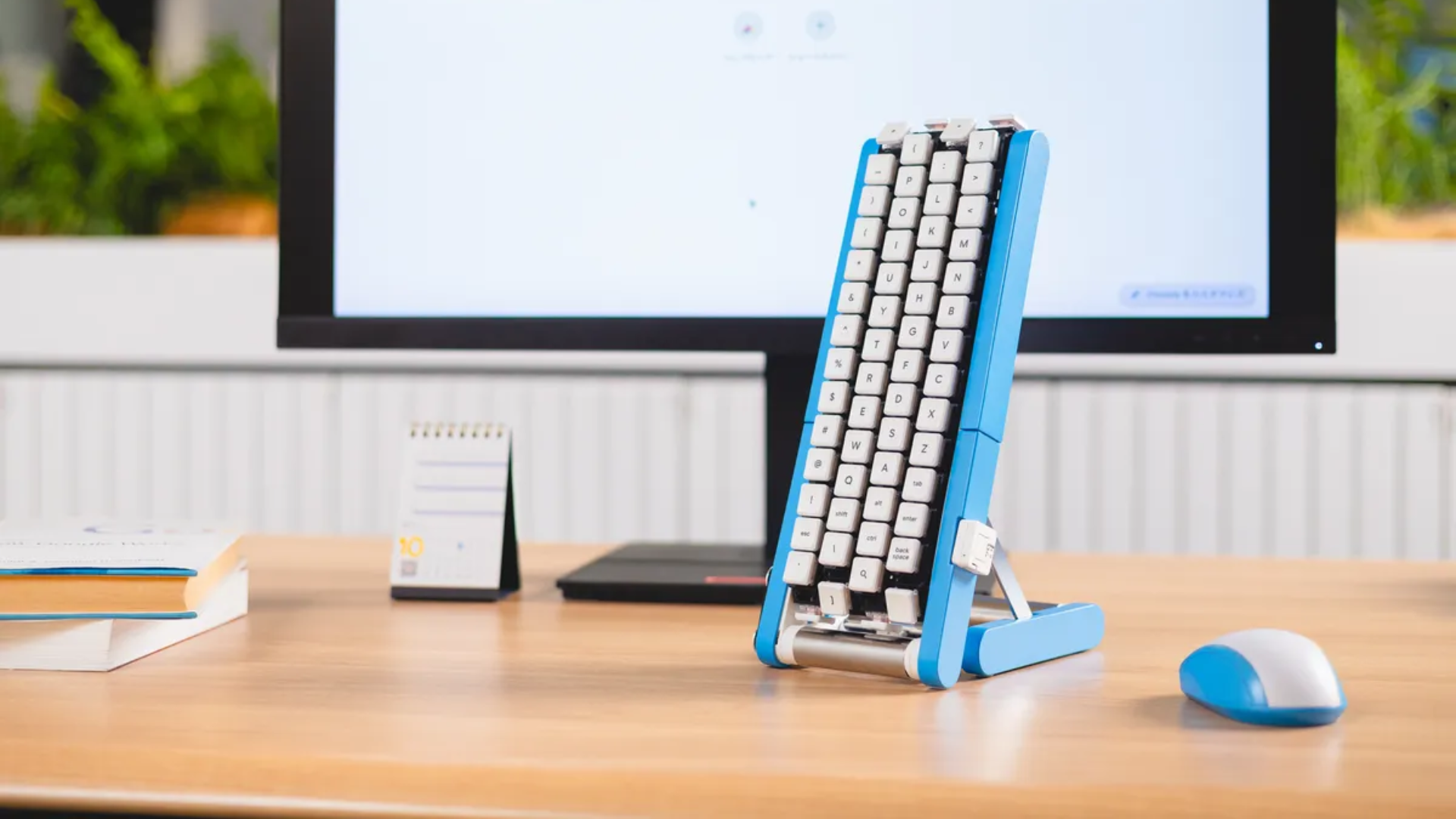
Google Japan has demonstrated a Gboard concept where four conveyor belts carry 29 keys each past a stationary hand, an experiment aimed at cutting finger and arm movement in one-handed typing.
A keyboard that moves instead of your fingers
Google Japan has unveiled its latest unconventional input device: a Gboard variant in which keys ride along conveyor belts and pass a stationary hand. As Tom's Hardware reports, the concept — named the Gboard Conveyor Belt Version — inverts the usual mechanics of typing. Rather than stretching fingers across a fixed layout, the typist keeps them roughly in place and lets the keyboard bring letters into reach.
The company's blog post, which Tom's Hardware cites in machine-translated form, frames the goal as cutting down how far fingers and arms have to travel while typing. The stated benefit is largest for one-handed use, where a single hand normally has to roam across the full width of a keyboard. The demonstration drew wide attention after reaching Hacker News's front page.
Four belts of 29 keys each
The build consists of four belts, each carrying 29 keys, putting 116 keys in motion altogether. The team describes the arrangement as intuitive to operate, and a video published alongside the announcement shows the belts running. Whether the belts pause for each keypress or move continuously is not spelled out in the material quoted. Tom's Hardware also highlights that the design is 3D-printable, which frames the project as something hobbyists could reproduce rather than a sealed retail product.
Variants on the table
In the blog post, the team says it is weighing several derivative models: alternate colourways, faster belts pitched as high-speed versions, and a shorter form factor aimed at mobile devices. No timeline, price or availability accompanies any of these ideas, and the list reads more like an open-ended experiment than a shipping roadmap.
Why it matters
Keyboard hardware has been largely settled for decades, and nearly all of it shares one assumption: keys stay still and fingers do the moving. This project questions that assumption directly, which is rare even in enthusiast keyboard circles.
The one-handed framing is the most concrete part. Reducing hand travel is a real concern in ergonomic keyboard design, and while the source material includes no typing-speed or accuracy figures, the underlying goal of minimising motion is a familiar one. Whether a conveyor belt is a sensible way to pursue it is exactly the kind of question an open, printable design lets other people test.
That may be the most practical consequence. If the design can be reproduced, experimenters can measure whether keys travelling to the hand genuinely help or simply slow typing down. Until then, the Conveyor Belt Version works best as a provocation — a reminder that the flat, static keyboard is a design choice rather than a fixed law, and that Google Japan is willing to spend real engineering effort on asking the question.
- #keyboards
- #google-japan
- #hardware
- #input-devices
- #gboard