· via Hacker News – Front Page (hnrss.org)
Ink and Switch argues for malleable software as antidote to locked-down apps
An Ink and Switch essay argues that rigid, mass-produced software strips users of agency, and sketches an ecosystem where anyone can adapt their tools with minimal friction.
Locked-down apps and the case for user agency
An essay from research group Ink and Switch, now circulating on the Hacker News front page, makes a sustained case that software took a wrong turn: applications became mass-produced objects that users can only consume, rather than environments they can shape. The piece, titled "Malleable software: Restoring user agency in a world of locked-down apps" and published June 5, 2025, argues that this rigidity is neither inevitable nor harmless.
What rigidity costs
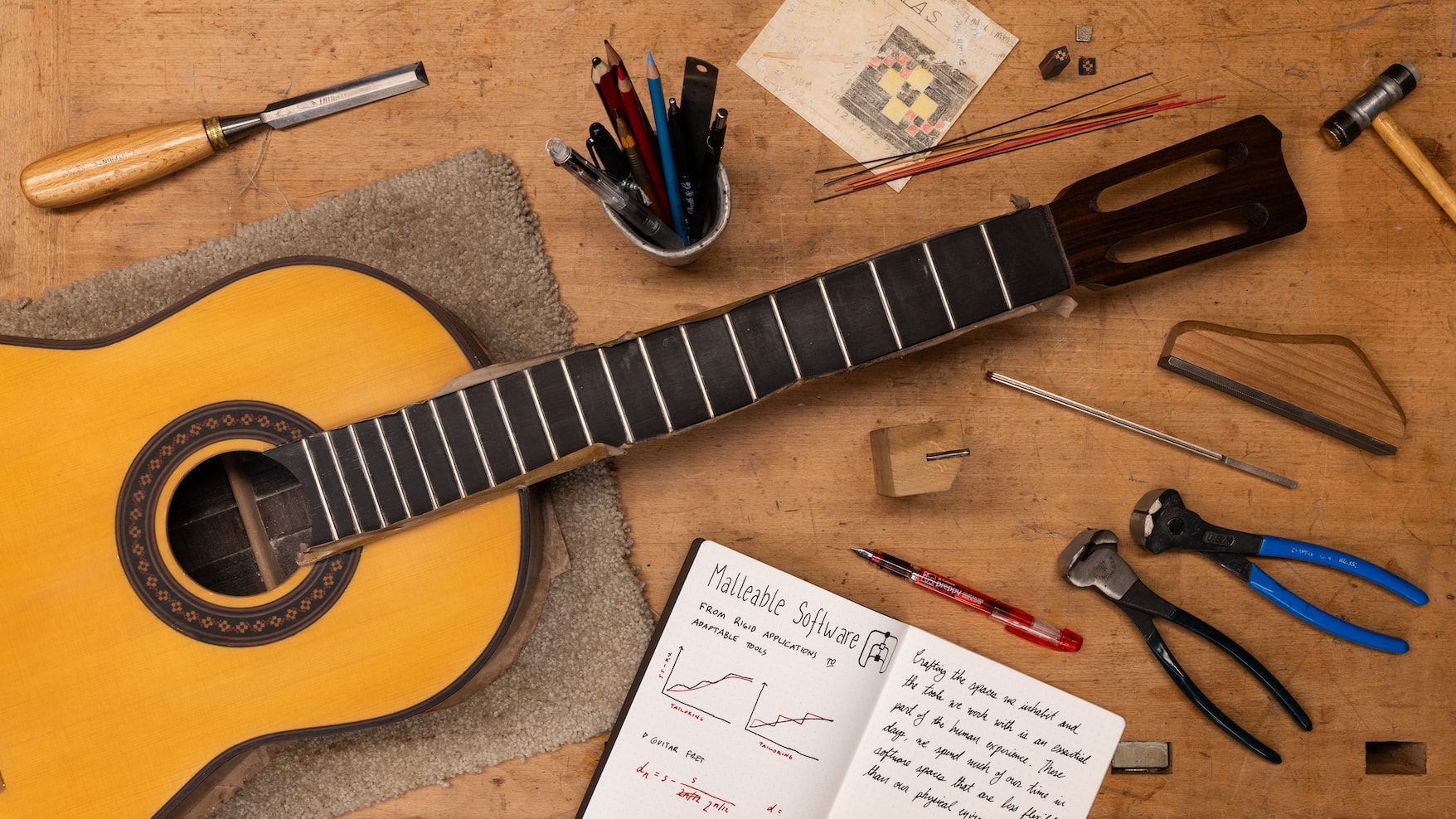
The authors ground the argument in the physical world. A guitar maker arranges a workshop just so and improvises new tools as needed; a home cook gradually acquires the knives and pans that work best and rearranges shelves to fit their workflow. Physical space invites this kind of adaptation without anyone's permission, and people naturally evolve their spaces over time — a point the essay reinforces with Stewart Brand's observation, from How Buildings Learn, that buildings become loved as occupants and structure adapt to each other.
Software mostly refuses such adaptation. One of the authors recounts a team that managed its work with index cards taped to a wall. The medium was so fluid that the team's process kept evolving: checklists appeared, and special zones formed around the main grid. Switching to a web-based issue tracker to include remote colleagues ended that. Changes that once took minutes now demanded hours of configuration work or proved impossible, and parts of the process were simply dropped.
The essay's higher-stakes example is medicine, citing the surgeon and writer Atul Gawande. Computerized record-keeping is contributing to record levels of physician burnout; software forces doctors through irrelevant fields that paper forms once let them skip, and they have no power to edit the rules. Gawande notes of one doctor that it was the pointlessness of the extra time, more than the time itself, that stung. Conversely, the essay retells Gawande's story of a neurosurgeon who, working with an IT analyst, rebuilt a faster interface tailored to neurosurgery office visits — a productivity gain that also restored the physicians' sense of control over their tools. Such local adaptation remains the exception, the authors argue, because the broader ecosystem treats users as passive recipients rather than co-creators.
What malleable software means
The proposal is an ecosystem where anyone can adapt their tools to their needs with minimal friction. Each term is deliberate. "Anyone" signals that broad accessibility is the goal, with cooperation in local communities valued alongside individual self-sufficiency. "Adapt" spans a spectrum from small tweaks through deep renovations to building new tools that coordinate with existing ones — not starting from scratch. "Minimal friction" means editing should be fast and light enough to happen in the moment, so users can get back to the task at hand.
Why settings and plugins fall short
Existing customization mechanisms don't meet that bar, according to the essay. Settings only expose the controls developers happened to think of; when no checkbox covers your need, you're stuck, and settings panels tend to sprawl into long, disjointed lists with no coherent model behind them. The authors go on to survey plugins and other techniques, crediting each with genuine value while arguing that all carry limits that keep users from becoming true co-creators.
The structural diagnosis reaches further: software ships as monolithic applications rather than remixable toolkits, customization generally requires programming skills most people don't have, most code is closed source, applications arrive without tools for editing them, and app stores serve companies selling to consumers rather than hobbyists passing tools to friends. The result, the authors suggest, is factory mass production rather than small-scale craft.
Why it matters
The essay is fair to the current model. Mass-produced software has delivered polished, reliable, accessible and secure applications at reasonable prices, with business models that can sustain development teams. But the more a user diverges from the average, the more the benefits of customization outweigh professional polish — and everyone is non-average in some way, whether in writing, music, discussion or project planning.
For developers, the piece reads as a design brief: ship editable software, support in-the-moment modification, and treat users' local needs as legitimate rather than as a long tail to be declined. For users, it reframes the daily frustration of tools that almost fit as a structural problem with a proposed alternative — one now getting wide attention through Hacker News discussion.
- #malleable-software
- #user-agency
- #ink-and-switch
- #software-design
- #end-user-programming