· via Hacker News – Front Page (native)
LG smart TVs record audio in standby and map home networks, Gamers Nexus finds
A Gamers Nexus investigation found LG smart TVs capturing microphone audio while in standby, scanning home networks for nearby phones and other devices, and logging voice prompts in plain text.
What the investigation found
Gamers Nexus, working with Level1Techs and independent security researchers, tested retail LG OLED televisions, including the G5, and monitored their traffic with Wireshark. According to Notebookcheck, which reported on the findings, the packet captures showed the sets actively probing the home network for hardware unrelated to the television itself, including phones and smartwatches.
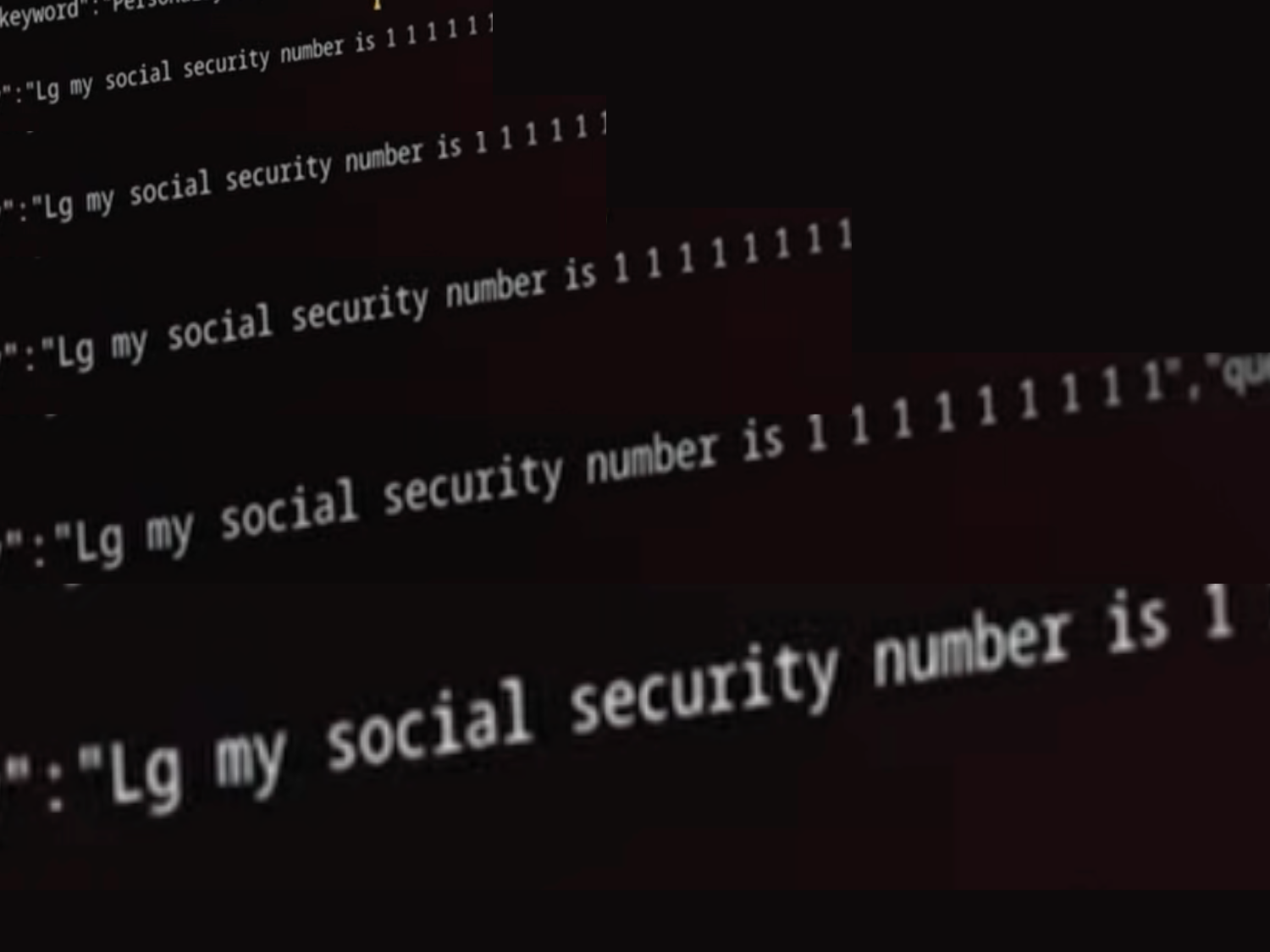
Alongside internal IP addresses, the report says the TVs collected the names and signal strengths of neighbouring Wi-Fi networks plus location data. Testing also indicated that webOS, the operating system running the sets, stored user voice prompts as plain text.
Microphone recordings while the screen is off
The most striking claim concerns standby behaviour. During bench tests described by Notebookcheck, the television captured intelligible microphone audio while its screen was off, or at least looked powered down. When the researchers unplugged Ethernet, the set reportedly continued saving voice input to local storage and uploaded the accumulated files as soon as network access returned.
That buffering behaviour matters: briefly pulling the TV offline does not necessarily stop collection, it may simply delay transmission until the connection comes back.
The advertising pipeline behind the data
Notebookcheck reports that the pool of collected information feeds LG Ad Solutions, the company's targeted advertising arm. LG claims roughly 216 million smart TV sales globally, while the advertising division says it has access to 363 million secondary addressable devices in the United States alone by tracking other hardware on the same networks.
The sets also run Automated Content Recognition (ACR), which samples on-screen audio and video into digital fingerprints in order to log what viewers watch across inputs. As Notebookcheck points out, ACR on smart TVs has been well documented for years; what the new testing suggests is that LG's data collection reaches considerably further than content identification.
Security flaws still under disclosure
Beyond the privacy findings, the researchers documented remote code execution vulnerabilities in webOS. Those issues are currently moving through responsible disclosure, so technical details remain limited for now.
Given that the televisions ship with broad network listeners and network sweeps enabled out of the box, the team's recommendation was blunt: disconnect LG sets from the internet entirely and rely on an external streaming device instead. Notebookcheck notes that LG had not commented on any of the findings as of publication.
Why it matters
A television that maps every device on the home network, fingerprints everything its owners watch, and records room audio while appearing to be off changes what "off" means in a living room. The numbers attached to LG Ad Solutions give a sense of the scale: hundreds of millions of televisions sold, and hundreds of millions of additional household devices made visible to the company simply by sharing a router with one of its sets.
The plain-text voice logs and the pending remote code execution disclosures add a security dimension on top of the privacy problem, since the same network-facing behaviour that enables advertising data collection also widens the attack surface. And because the hardware keeps recording while disconnected and uploads later, intermittent disconnection is not a reliable mitigation. The practical takeaway from the researchers is simple if uncomfortable: the cheapest fix is to keep the smart TV dumb and let a separate box handle the streaming.
- #privacy
- #smart-tv
- #lg
- #security
- #webos
- #surveillance