· via Hacker News – Front Page (native)
London rail facial recognition trial scanned 500,000 faces, made zero arrests
A British Transport Police trial scanned over 500,000 faces at London stations for £320,786 and produced a single false match, with no arrests tied to the technology, the Guardian reports.
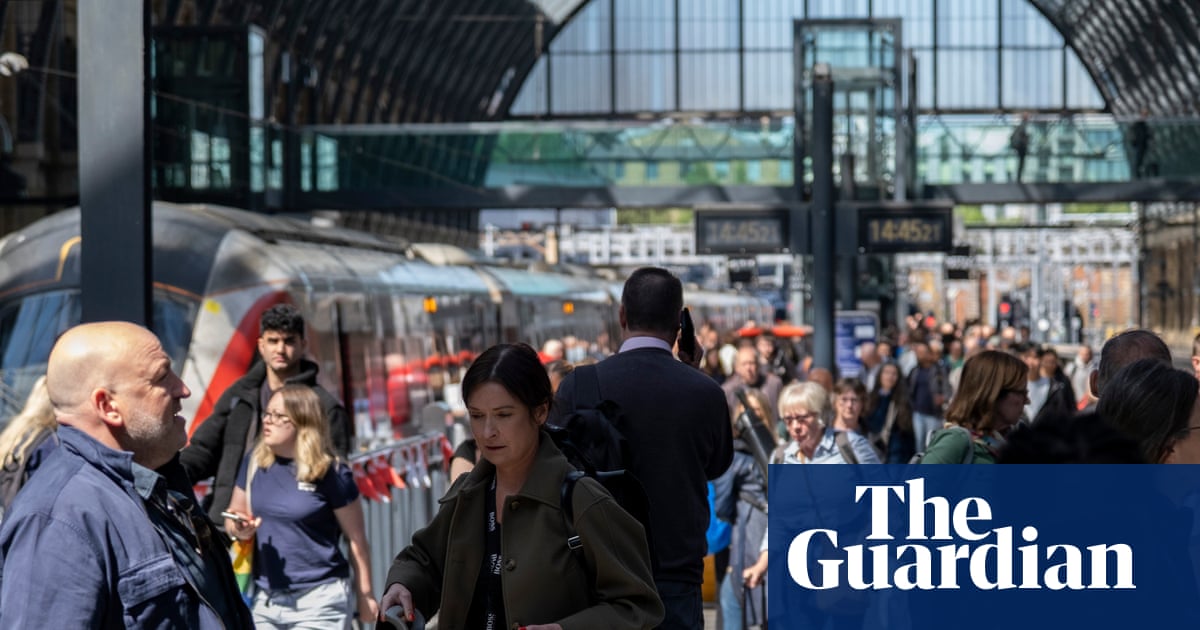
A six-month trial of live facial recognition at London railway stations scanned more than half a million faces and produced exactly one watchlist alert — a false match — with no arrests that could be credited to the technology. The figures come from a freedom of information response obtained by Liberty Investigates and shared with the Guardian, covering the British Transport Police (BTP) deployment that ran from February to July in some of the capital's busiest transport hubs.
What the trial cost and what it caught
According to the Guardian, the 18 deployments cost £320,786 in equipment hire and police staffing, and absorbed close to 100 hours of officer time. The stated aim was to identify wanted offenders and people breaching court orders. The single alert generated over the whole period flagged someone who turned out not to be the person sought — a false positive — and the trial recorded no arrests resulting from a facial recognition match.
Police point to incidental arrests
BTP pushes back on the suggestion that officers achieved nothing. A spokesperson said officers made a number of arrests during the deployments, including for assault, theft, possession of an offensive weapon, breach of a criminal behaviour order and public order offences, and located individuals wanted by courts and other forces. The force acknowledged, however, that none of these arrests followed directly from a facial recognition alert, which is why they are excluded from the technology's performance data. BTP also said watchlist growth was deliberate and controlled, beginning with a limited list while data quality, governance and safeguarding arrangements were made robust.
The trial is growing, not ending
BTP has since announced a four-month extension of the trial, expanding deployments to London Underground stations, with Transport for London's backing. TfL has said the cameras will target watchlisted individuals at stations chosen for maximum impact, framing the technology as part of an effort to tackle violence against women and girls on the network, whose travel patterns are shaped by experiences of harassment and sexual offences. The Guardian reports that since the extension there have been three confirmed alerts involving people who were subsequently found to be complying with sexual harm prevention orders or other court-imposed conditions.
Regulators and politicians push back
Fraser Sampson, the UK's former biometrics and surveillance camera commissioner — now a non-executive director of Facewatch, a company that runs facial recognition in shops — told the Guardian the technology itself works, but that deterring shoplifters in a supermarket is very different from catching people on a public transport network. In a shop, success means unwanted people stay away; for police, success means people are caught, and by that measure the trial "doesn't appear to have been very fruitful," he said. He added that the cameras process special category personal data, and that it falls to police to show each deployment is appropriate, proportionate and necessary, with oversight boards holding them to account as the Information Commissioner's Office has urged.
Liberty Investigates' analysis found that more than half of police forces in England and Wales have now deployed live facial recognition on the streets. The Metropolitan Police and the London mayor's office have announced fixed facial recognition cameras for the West End, and Mayor Sadiq Khan has confirmed the technology will be used on the newly pedestrianised Oxford Street. A report by parliament's joint committee on human rights, which called for legislation addressing AI's threat to human rights, singled out the rollout of live facial recognition as a particularly clear example of risk. Labour MP Bell Ribeiro-Addy described the technology as a serious invasion of privacy and urged the government to suspend its rollout until stronger safeguards and a proper legal framework exist.
Why it matters
The headline numbers — over 500,000 scans, one alert, one false positive, zero attributable arrests and £320,786 spent — give both critics and police hard data to argue over at a moment when deployment in the UK is accelerating rather than retreating. For technologists, the case is a reminder that raw model accuracy is only part of the equation: watchlist composition, siting, timing and governance determine whether a system produces any real-world value. And with special category biometric data being processed in public spaces under no dedicated statute, the gap between operational ambition and the legal framework is now the central question.
- #facial-recognition
- #surveillance
- #privacy
- #uk
- #biometrics