· via Hacker News – Front Page (native)
MapQuest adds map layer showing Flock and other surveillance camera locations
MapQuest's app can now plot known outdoor surveillance cameras and license plate readers, including devices from Flock, Verkada, Axon and Motorola Solutions, alongside its traffic layer.
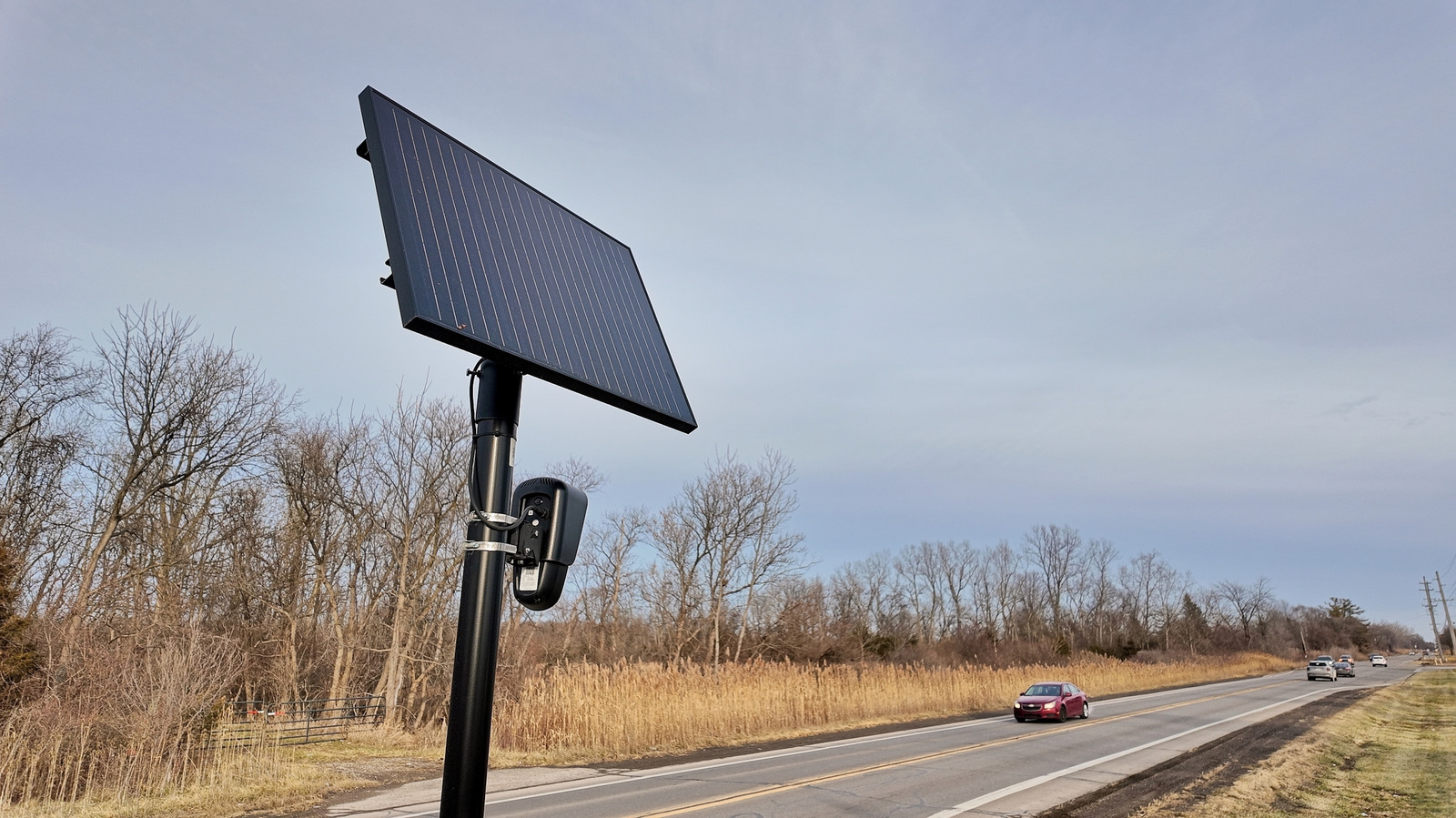
MapQuest has introduced a new layer for its mapping app that displays the locations of known outdoor surveillance cameras and license plate readers, according to Engadget. The toggle surfaces devices from Flock as well as camera systems from Motorola Solutions (Vigilant), Genetec, Axis Communications, Axon, Leonardo (ELSAG), Neology, Rekor, PlateSmart, Ubicquia and Verkada.
A layer for cameras
The option sits alongside the app's existing overlays for traffic and incident reports, which makes it a visible, first-class part of the map rather than a setting buried in a menu. Once switched on, it marks the positions of camera hardware in the area being viewed. MapQuest announced the feature with a short promotional video set to Rockwell's "Somebody's Watching Me," a nod that leans into the subject matter.
An unlikely revival
Engadget frames the feature as part of a broader resurgence for a service many had written off. According to the outlet, MapQuest's app surged in popularity after it declined to relabel Lake Ontario as "Lake America," a change its larger rivals Google Maps and Apple Maps had made. The company has since shipped long-requested features such as Android Auto support and public transit directions, and the camera layer continues that run of additions.
What the layer can and can't do
As Engadget acknowledges, knowing where cameras are does not mean you can avoid them. On a commute or any other fixed route, the hardware is often simply in the way. The more realistic value is visibility: the layer gives users a concrete sense of how saturated their area is with surveillance equipment, and Engadget suggests it is useful information for people trying to reduce the number of cameras in their neighborhoods.
One open question is data quality. The report does not detail how MapQuest determines camera locations, how frequently the dataset is refreshed, or how complete it is, so the picture the layer paints may be partial.
Why it matters
Consumer maps are where most people already go to understand their surroundings, and by placing surveillance infrastructure on the same screen as traffic and transit information, MapQuest is treating cameras as a normal fact of the environment worth knowing about. For privacy-conscious users, community groups and journalists, the layer offers a low-friction way to gauge local camera density without seeking out specialized databases. It also puts the question to larger mapping providers: if a legacy service can expose this information as a standard layer, the biggest platforms may face pressure to decide whether they will do the same — or keep leaving it out.
- #privacy
- #surveillance
- #maps
- #mapquest
- #flock-safety