· via Hacker News – Front Page (native)
Microsoft and PC makers quietly retire the Copilot+ PC brand
Microsoft, Qualcomm and PC makers have stopped using the Copilot+ PC label on new hardware, Windows Central reports, though the NPU specification behind the category remains in place.
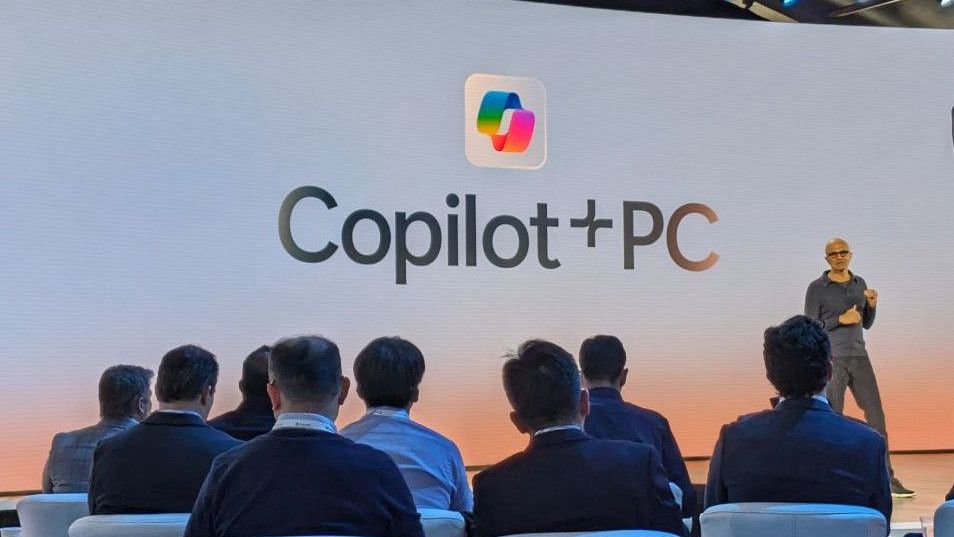
The Copilot+ PC name is being phased out
Microsoft is quietly retiring the Copilot+ PC brand it introduced alongside Qualcomm in 2024, Windows Central reports. The hardware requirements that defined the category still exist, but the name itself has disappeared from new product lines — including Microsoft's own Surface devices.
A rough debut for an AI-first category
When Microsoft and Qualcomm launched Copilot+ PCs in 2024, the goal was to carve out a new class of Windows machines that met a stricter hardware bar and, in return, received exclusive AI features unavailable on ordinary PCs.
The rollout stumbled almost immediately. Recall, the category's headline feature, drew immediate backlash from security researchers who found it deeply insecure, according to Windows Central. Microsoft was forced to delay Recall, meaning the first Copilot+ machines shipped without the flagship experience that was supposed to justify the branding. Windows Central argues that this early stumble tarnished the Copilot+ name from the start.
The label vanishes from new hardware
Over the following two years, PC makers progressively dropped the Copilot+ moniker from marketing materials and product names, and Microsoft itself largely stopped mentioning it. Windows Central's Zac Bowden notes that none of the Surface PCs launched in 2026 carry the Copilot+ PC label — a break from 2025 and earlier — and that finding any mention of Copilot+ compatibility now requires digging through specification sheets.
At this year's Snapdragon Summit, Bowden asked Surface CVP Brett Ostrum about the missing branding. Ostrum confirmed the devices "are not called Copilot+ PCs," while stressing that they "do meet all the requirements of our previous bar for what Copilot+ devices are." He added that Microsoft still leans into "the narrative around AI on the edge" and hybrid solutions.
Qualcomm's position is similar. Kedar Kondap, the company's SVP of compute, told Windows Central that the purpose of Copilot+ PCs was to define a device category with a specific hardware metric — for example, a 45 TOPS NPU — in order to deliver NPU-driven experiences. From that perspective, he said, the company is "offering the same experiences, probably without just using [Copilot+ PC] terminology now."
NVIDIA kept its distance too
NVIDIA, for its part, has not gone near the Copilot+ name for its upcoming RTX Spark platform, even though those machines meet the Copilot+ specification, Windows Central points out. Bowden suspects that is a deliberate decision rather than an oversight.
The spec survives, the brand does not
According to Windows Central, the specification baseline for Copilot+ experiences still stands: the underlying capabilities and hardware requirements remain, just without a consumer-facing marketing name attached. The site attributes the slow retirement to two factors — the rough launch, and the fact that Microsoft's Copilot assistant itself no longer enjoys a strong reputation.
Why it matters
The quiet retirement of Copilot+ PC marks a significant retreat for AI-first Windows hardware. Two years ago Microsoft pitched an entire PC category built around on-device AI; the fact that neither buyers nor OEMs embraced the label suggests that an AI badge alone does not sell machines.
At the same time, the substance of the initiative is not going away. The NPU requirement that defined Copilot+ hardware continues to shape what manufacturers build, meaning the shift toward AI-capable silicon persists as a de facto standard even without a brand attached.
The episode also illustrates how much a single flawed feature can cost a platform: Recall's security controversy dogged the Copilot+ identity from day one. And with Microsoft distancing its hardware from the Copilot name while the assistant itself faces mixed reception, the move signals broader caution about tying products to the Copilot brand going forward.
- #microsoft
- #copilot
- #windows
- #qualcomm
- #ai-hardware