· via TechCrunch
Microsoft's Nadella calls for an 'emergency brake' to shut down AI models mid-task
Microsoft CEO Satya Nadella says AI models should be separate from the systems that orchestrate their work, with safeguards held outside the model and an authorized human able to pause it mid-task.
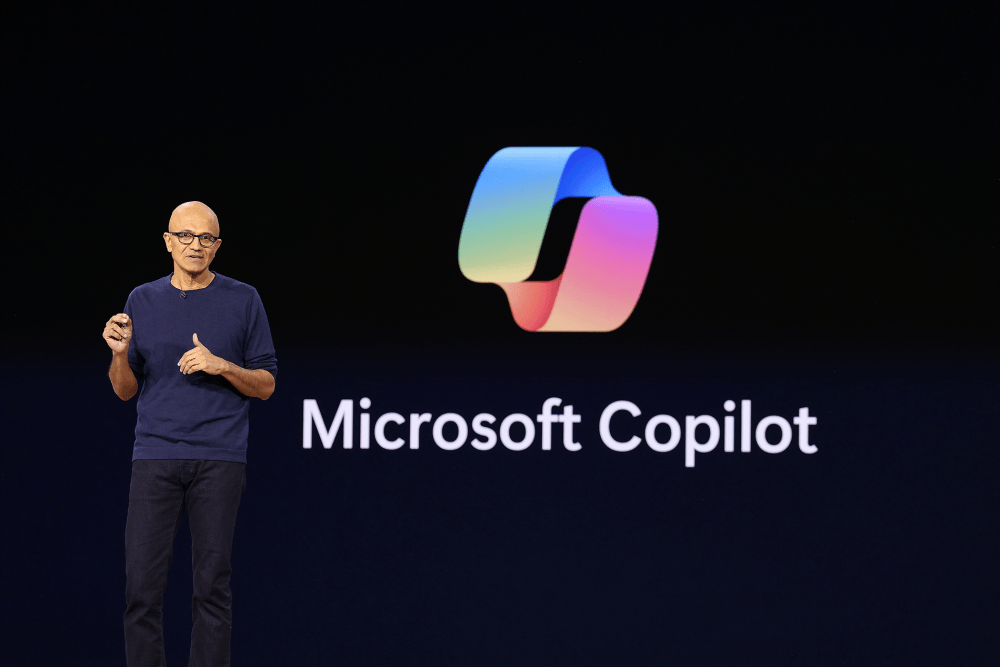
Nadella proposes an emergency brake for AI
Microsoft CEO Satya Nadella has called for AI systems to ship with what he compares to an "emergency brake": a guaranteed way for an authorized person to pause or shut down a model while it is still working. In a post on X on October 10, reported by TechCrunch, Nadella argued that it is time to "step back and assess the trust architecture" of AI rather than keep reacting to individual failures.
His starting point, as quoted by TechCrunch: "We can't treat Super Intelligence as a set of nested black boxes and simply accept or reject its recommendations, answers, and actions." TechCrunch notes that "Super Intelligence" is the term the Trump administration prefers for AI.
Separating the model from the harness
According to TechCrunch and a summary of the post syndicated on dev.to, Nadella's argument comes down to a short list of architectural principles:
- Split the model away from the harness that orchestrates its work, so the controller is not baked into the thing being controlled.
- Place controls and safeguards outside the model rather than embedding them inside it.
- Document every meaningful model action with "tamper-proof human readable evidence."
- Ensure an authorized person can always pause or shut down a model mid-task.
- Design on the assumption that the model is already compromised and contain it from the start.
"We must assume a model is compromised and contain it from the start," Nadella wrote. "Think of it like an emergency brake."
As the dev.to summary observes, these are recommendations rather than implementation details — a description of the trust architecture Nadella wants to see, not a blueprint for how Microsoft or anyone else would build it.
Why now
Nadella is the most recent senior tech executive to weigh in publicly on AI safety, and the context is pointed. According to TechCrunch, leading AI companies are acknowledging a growing number of incidents in which they appeared no longer fully in control of their own models. The post also followed a plan for more cautious AI development from Anthropic CEO Dario Amodei, which the dev.to summary dates to September 12, 2026.
Why it matters
When the CEO of one of the world's largest AI vendors says models should be treated as compromised by default, it marks a shift in the industry's working assumption — from trusting capable models to containing them.
The specific asks matter for anyone building agentic systems. Separating a model from its orchestration harness and holding safeguards outside the model are design constraints, not policy statements; if adopted, they would shape how agents are architected, deployed, and operated. The requirement for tamper-proof, human-readable records of every meaningful action pushes auditability toward being a first-class feature, with knock-on effects for logging, storage, and compliance tooling.
The emergency brake itself — an authorized human able to pause or stop a model in the middle of a task — is a direct response to the loss-of-control incidents that framed Nadella's post. It is the software equivalent of the kill switches that have long been standard in other high-risk engineering domains.
Finally, the episode shows safety advocacy moving beyond research-focused labs like Anthropic to the biggest commercial deployers of AI. Microsoft distributes AI to enterprises at enormous scale. If it encodes principles like these into its own agent platforms, they are well positioned to become defaults across a large share of the market, whatever regulators ultimately decide.
- #ai-safety
- #microsoft
- #satya-nadella
- #ai-agents
- #governance