· via Hacker News – Front Page (native)
Missouri governor orders guardrails on Flock cameras and license plate readers
Missouri Governor Mike Kehoe signed an executive order requiring most ALPR data to be deleted within 30 days and barring vendors from selling or sharing Missouri location data.
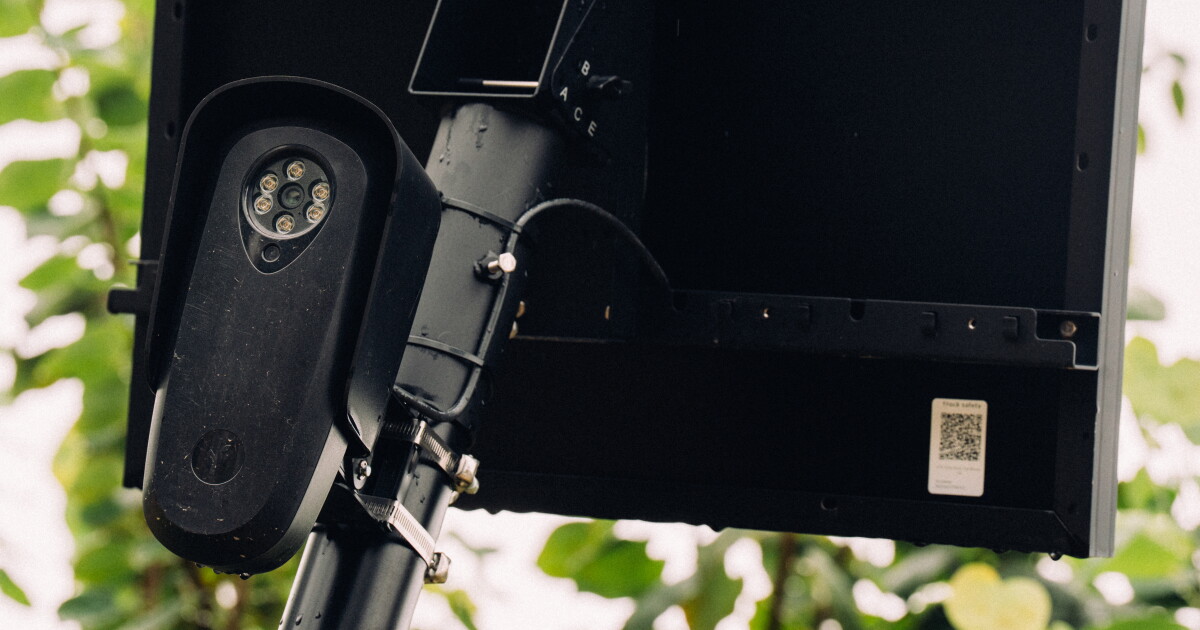
Missouri Governor Mike Kehoe has signed an executive order placing new restrictions on automated license plate readers (ALPRs), including Flock Safety's widely deployed cameras, according to St. Louis Public Radio. The order mandates that most license plate and vehicle data be permanently deleted within 30 days and bars vendors from selling, sharing or commercializing data generated in Missouri.
What the order requires
The directive tasks the Missouri Department of Public Safety with creating safeguards for state agencies and state-funded law enforcement departments that use the readers. Beyond the 30-day deletion rule and the vendor data restrictions, it confines the technology to legitimate criminal justice and lifesaving purposes and sets up accountability measures for misuse. Kehoe said that misuse of the cameras will trigger an immediate criminal referral, disciplinary proceedings and a report to the department for discipline or officer license revocation.
The order also prohibits combining AI facial recognition technology with automated license plate readers, drawing a line against merging vehicle tracking with direct identification of people.
Kehoe framed the move as a matter of constitutional protection. "The unchecked collection and indefinite storage of location data belonging to law-abiding citizens raises substantial, valid constitutional and privacy concerns," he said in a statement, adding that the government should not build a permanent record of where law-abiding Missourians go, who they visit or how they live their daily lives.
A stopgap, not a statute
The executive order is explicitly temporary. Kehoe called it a "first step" and said the framework will serve as a stopgap until state lawmakers act. He encouraged local agencies to voluntarily commit to the practices wherever possible under existing contracts and laws.
Public Safety Director Mark James acknowledged that the cameras have been helpful to officers while agreeing that guardrails are needed, and said his department looks forward to working with state and local law enforcement agencies and the Missouri General Assembly to put the order into action.
Local incidents preceded the order
The order follows a string of Missouri incidents involving Flock data. St. Charles County Police banned the cameras last month after the department said a former civilian employee abused system data. In a separate case, a Brentwood police officer was accused of stalking his ex-wife; St. Louis County police determined the officer violated policy but did not break any laws. The Pulaski County Sheriff's Department has also announced it will stop using the cameras.
National backdrop
Flock Safety has attracted growing attention and criticism in recent months as its footprint has expanded to more than 120,000 cameras used by police departments across the country. Law enforcement officials credit the system with helping them solve crimes, while privacy advocates argue the cameras raise significant concerns about who can access the data and about the collection of license plate information from people who have not been charged with a crime. Immigration rights advocates have criticized the cameras as well.
Why it matters
Missouri's order is one of the more comprehensive state-level attempts to rein in ALPR data retention and vendor monetization, and it lands on a company whose hardware is now embedded in policing across the United States. The 30-day deletion mandate and the ban on commercializing Missouri-generated location data strike directly at the question of who owns and profits from surveillance infrastructure. The facial recognition prohibition also sets an early boundary against combining separate identification technologies into a single tracking system. Because the order binds state agencies but only encourages local compliance, its practical reach depends on voluntary adoption and on whether legislators convert the framework into law — making Missouri a case worth watching for other states weighing similar limits.
- #flock-safety
- #alpr
- #surveillance
- #privacy
- #missouri