· via Hacker News – Front Page (native)
New York rep's Power To The Players Act would make game purchases true ownership
US Rep. Ritchie Torres has introduced the Power To The Players Act, which would direct the FTC to ensure buying a game grants ownership rather than a revocable license, with offline modes required before server shutdowns.
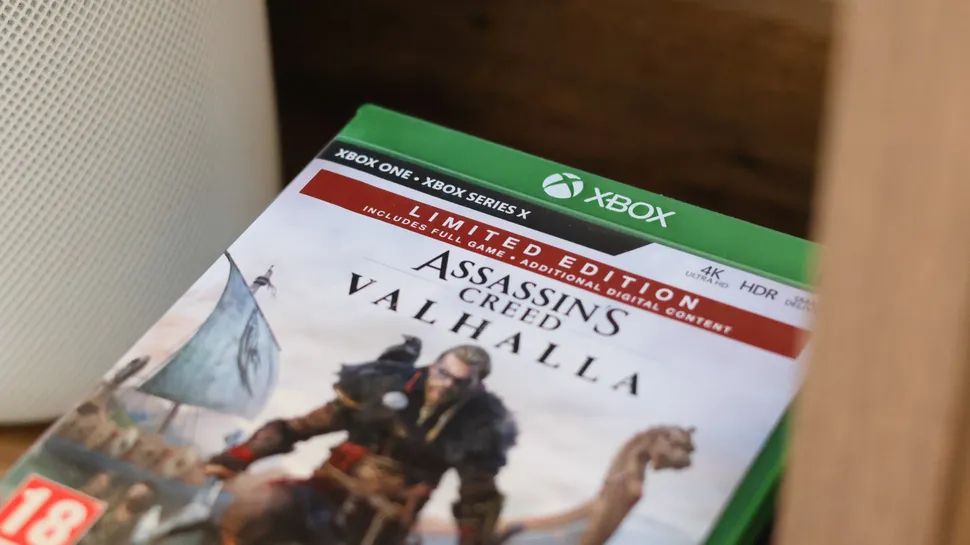
US Representative Ritchie Torres of New York's 15th congressional district has introduced the Power To The Players Act, a bill that would require video game purchases to confer actual ownership rather than a revocable license. According to Tom's Hardware, the legislation directs the Federal Trade Commission to draft regulations on game ownership, with the stated aim of curbing business practices the announcement describes as anti-consumer.
What the bill would change
The core provision addresses a long-standing ambiguity in digital software sales: when a storefront labels a button "buy" or "purchase," the transaction is typically governed by a license agreement the publisher can withdraw. Under Torres's bill, as summarized by Tom's Hardware, buying a game would give the consumer ownership of the game itself, not merely permission to play it.
A second provision targets the growing number of titles that simply stop working when a publisher switches off its servers. Games with online functionality would be required to provide an offline mode before the servers supporting them are shut down, so that a game a customer paid for does not effectively expire when official support ends.
A second front in Pennsylvania
Torres is not alone in pushing the issue. Tom's Hardware reports that Pennsylvania state senator John Kane has separately introduced the Protect Our Games Act, which would require publishers winding down a game's support to offer one of three remedies: an offline mode, community-run servers, or a refund of at least 25 percent of the purchase price.
The two proposals take different routes to the same concern. Kane's bill operates at the state level and focuses on what happens after support ends, while Torres's bill works through federal regulators and targets the ownership question at the point of sale.
Sony's courtroom argument
The legislative interest follows growing friction between publishers and players. Tom's Hardware notes that games carrying what is effectively an expiration date have drawn scrutiny as prices climb and in-game monetization becomes more aggressive.
The outlet also points to an ongoing class action against Sony, in which the company's lawyers argued that a consumer clicking a "purchase" button would not reasonably conclude they were acquiring a durable right to use the game, rather than a license that can be taken away. Tom's Hardware frames Sony's position as the view that players do not own the games they buy and that the publisher is entitled to withdraw access.
Why it matters
Most software sold today, games included, is licensed rather than sold, and digital storefronts have long relied on end-user agreements to spell that out. A federal law redefining game purchases as ownership would upend that model, forcing publishers to treat "buy" as a transfer of property rather than a time-limited grant that survives only as long as it suits the seller.
The offline-mode requirement would carry practical engineering consequences as well. Studios building always-online components would need an exit plan for every title, whether a patch that decouples the game from its backend or some other fallback, before they could retire their servers.
Even if the bill never becomes law, its introduction signals that the "you only bought a license" defense is now under political scrutiny. Combined with the Pennsylvania proposal and the pending litigation, publishers face pressure from three directions at once — Congress, state legislatures and the courts — to give digital goods a lifespan that matches their price tag.
- #gaming
- #consumer-rights
- #legislation
- #digital-ownership
- #ftc