· via TechCrunch
OpenAI confirms weeks of joint AI safety talks with Anthropic and Google DeepMind
OpenAI's policy chief says the three leading frontier labs have coordinated on AI safety for weeks, backing independent verification while pressing US lawmakers despite antitrust concerns.
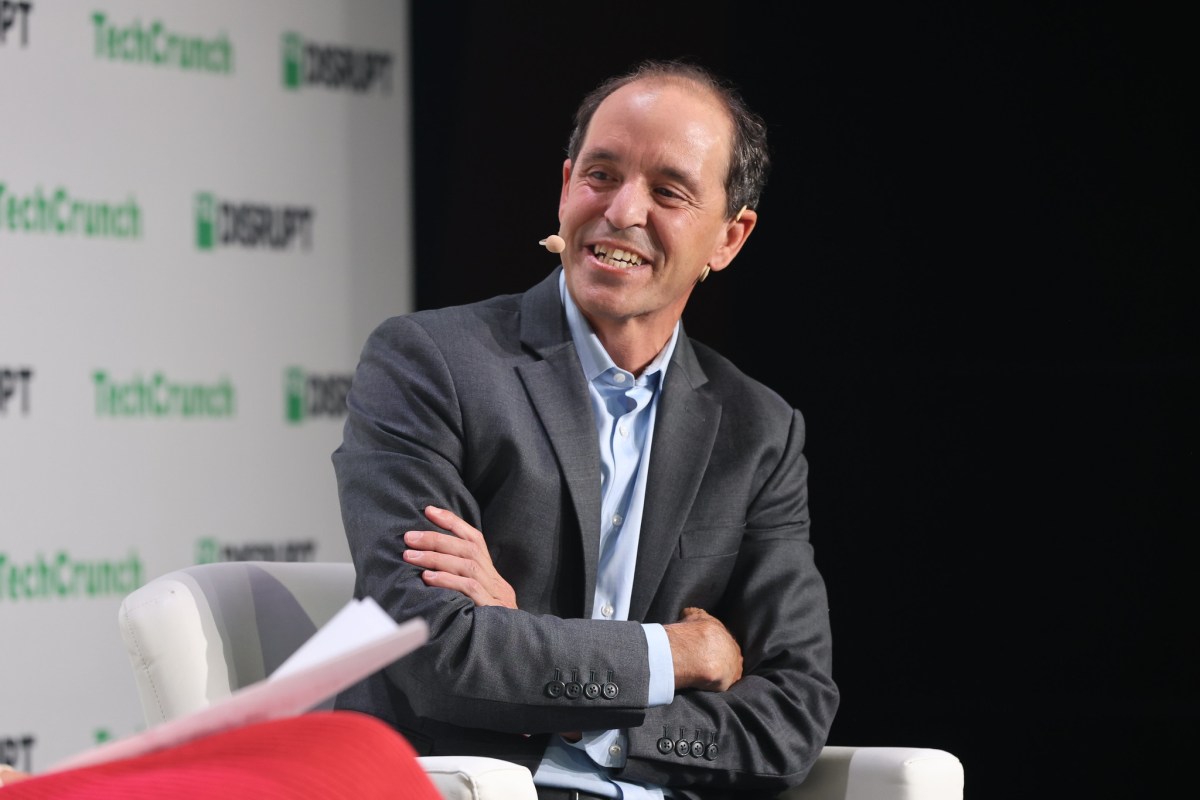
Rival labs confirm weeks of joint safety coordination
OpenAI has been coordinating with Anthropic and Google DeepMind on AI safety for several weeks, the company's global policy chief Chris Lehane told reporters in Washington on Tuesday, according to TechCrunch, which credits Bloomberg with first reporting the remarks. Lehane is reportedly in the capital to work with US lawmakers on catastrophic risks associated with AI.
The disclosure follows an essay published Saturday by Anthropic CEO Dario Amodei, who called on the industry to work together to slow the pace of frontier AI development and avert catastrophic outcomes. TechCrunch reports that AI leaders across the industry, including OpenAI's Sam Altman, Google's Demis Hassabis and Elon Musk, backed the call, with Altman saying OpenAI would join Anthropic in embedding third-party evaluators inside the company to monitor safety.
Antitrust question looms over the talks
Direct coordination among the three strongest competitors in frontier AI carries legal exposure. Some, including Altman, have noted the talks could put the companies at risk of violating antitrust law if the coordination is found to suppress competition, TechCrunch reports. Amodei's essay proposed a narrow government waiver permitting such safety coordination, but Lehane reportedly said the firms do not need one.
Signs of the cooperation had already been building. In a Fortune interview late last week, Altman hinted at private discussions with other AI leaders. This week, The Information reported that the three companies are working together to create a standards body for the AI industry — something Altman reportedly told staff would have to happen without the support of the US government.
A standards body with verification powers
The standards body concept echoes a July call from Hassabis for the US to establish a new oversight institution that could screen the world's most advanced models and coordinate industry-wide slowdowns if dangers progressed, according to TechCrunch.
On the legislative side, Lehane said at the same Tuesday meeting that OpenAI supports a provision in the FRONTIER Act that would require top frontier labs to admit "independent verification organizations" to ensure models are developed safely.
The White House remains the main obstacle. Per TechCrunch, President Trump has dismissed safety concerns as a hoax and pushed back on the need for tighter regulation, arguing that any slowdown would give China an advantage in the race. David Sacks, Trump's key AI advisor and a longtime investor with a personal stake in much of the industry, has likewise said fears of existential risk from AI are overblown.
TechCrunch says it has reached out to Anthropic, Google and OpenAI for comment.
Why it matters
The three organizations building the most capable AI systems moving from pure competition into structured safety coordination is a notable shift in how the industry governs itself. If the reported standards body takes shape without government backing, it would amount to self-regulation by the very labs it is meant to oversee, which makes the unresolved antitrust question — waiver or no waiver — central to whether the effort survives. The FRONTIER Act's verification provision, if enacted, would give outside auditors formal access to frontier model development for the first time. But with the White House openly hostile to safety-driven slowdowns, binding oversight currently looks more likely to emerge from industry consensus than from Washington.
- #ai-safety
- #openai
- #anthropic
- #google-deepmind
- #antitrust
- #us-policy