· via Hacker News – Front Page (native)
PlayStation 2 MechaCon security chip fully reverse-engineered after 26 years
A single enthusiast spent four years decapping and reverse-engineering the PS2's CXP102064 MechaCon chip, finally dumping a 26-year-old security black box for preservation, repair and emulation.
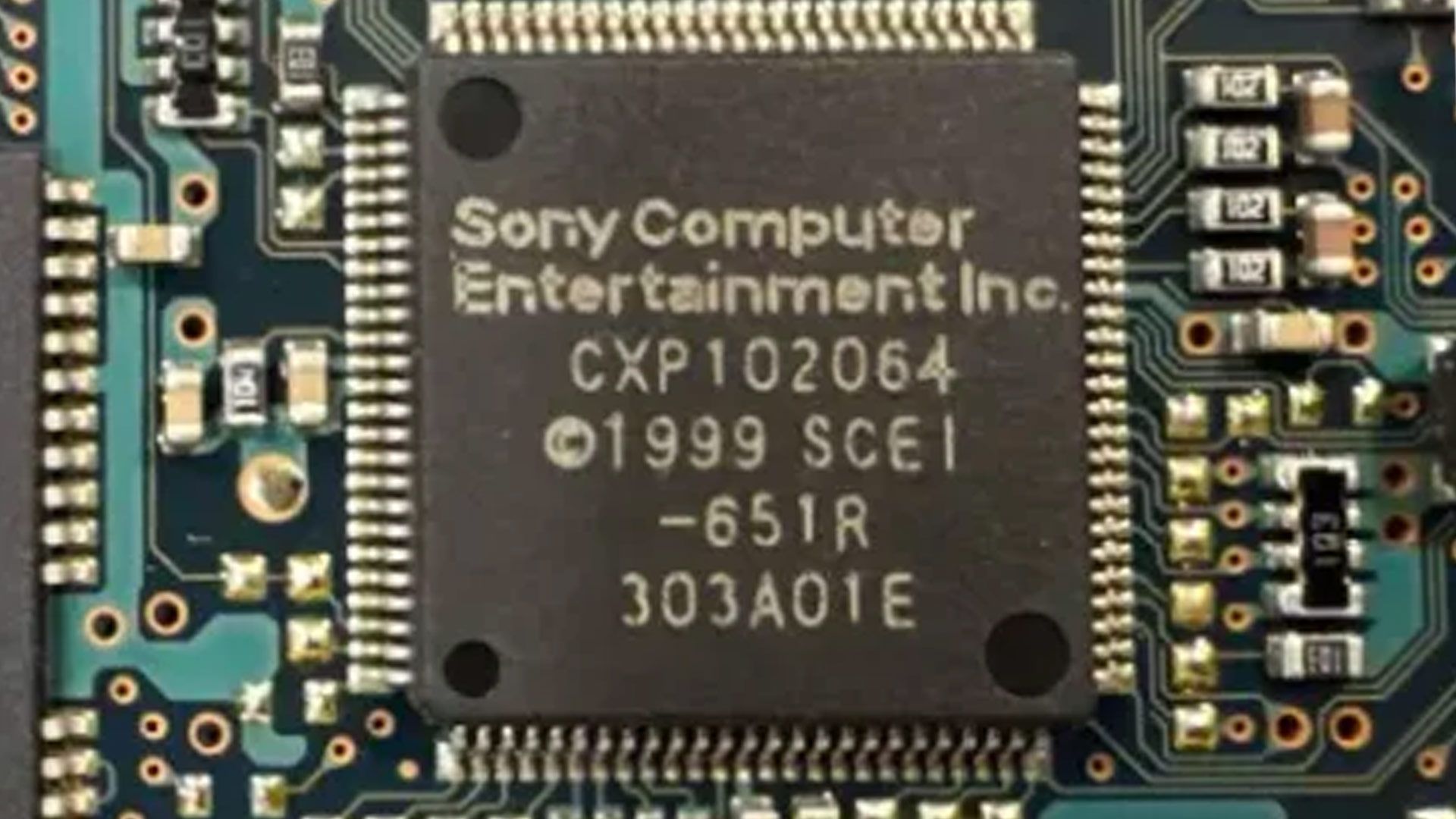
A 26-year-old black box opened
The proprietary security chip inside the original PlayStation 2 has been fully reverse-engineered and dumped, ending more than two decades in which the component was effectively a sealed black box. According to Tom's Hardware, whose report climbed onto the Hacker News front page, the CXP102064 MechaCon chip that shipped inside the original "PS2 Fat" console has been "broken wide open" by a single enthusiast.
The person responsible is DiscoStarslayer, a Canadian retro hardware and software enthusiast whom Tom's Hardware credits with the entire effort, one the outlet says took four years to complete. The report characterises the MechaCon as the console's "magic security chip": custom Sony silicon that was never publicly documented and has sat at the centre of the machine's internal security since the hardware first shipped.
Decapping, then years of analysis
Tom's Hardware ties the breakthrough to chemical decapping combined with sustained reverse engineering. Decapping is a hardware hacker's method of last resort: the chip's protective packaging is chemically stripped away until the bare silicon die is exposed, revealing structures the manufacturer never intended anyone to inspect.
Exposing the die is only the beginning. Turning decades-old custom silicon into something that can be read, understood and reused is slow, meticulous work, which is why the gap between a sealed chip and a complete dump was measured in years rather than weeks.
What this unlocks
Tom's Hardware expects the milestone to be a boon for hardware preservation, repair and emulation projects, and each of those communities gains something different:
- Preservationists get ground truth about how the console's security logic actually behaves, recorded before surviving hardware degrades further.
- Repair technicians can consult the chip's real behaviour when diagnosing dead or misbehaving units, instead of working from folklore and guesswork.
- Emulator developers can reproduce the console more faithfully, replacing approximations with logic taken from the original component.
The chip is old enough that the consoles built around it now sit squarely in the domain of vintage computing, where documentation is often the difference between a machine that can be kept alive and one that cannot.
Why it matters
The PlayStation 2 ranks among the best-selling consoles ever made, and nearly every surviving unit depends on silicon that Sony never explained in public. Every proprietary chip that is dumped and understood is insurance against a future in which the hardware still exists but nobody knows how it works.
There is also a blunt lesson for hardware security here. A component whose protection rested on staying undocumented was safe only for as long as nobody was willing to spend the years, and the chemicals, required to look inside. A 26-year run, as Tom's Hardware frames it, is long by consumer-electronics standards, but it ended with one determined researcher and an exposed die.
- #playstation-2
- #reverse-engineering
- #hardware-security
- #retro-gaming
- #emulation