· via Hacker News – Front Page (native)
QR codes are set to retire the 50-year-old barcode as GS1's Sunrise 2027 arrives
GS1's Sunrise 2027 initiative is moving global retail from linear barcodes to QR codes, driven by food-safety tracking rules, data-hungry packaging and retailers retooling their scanners.
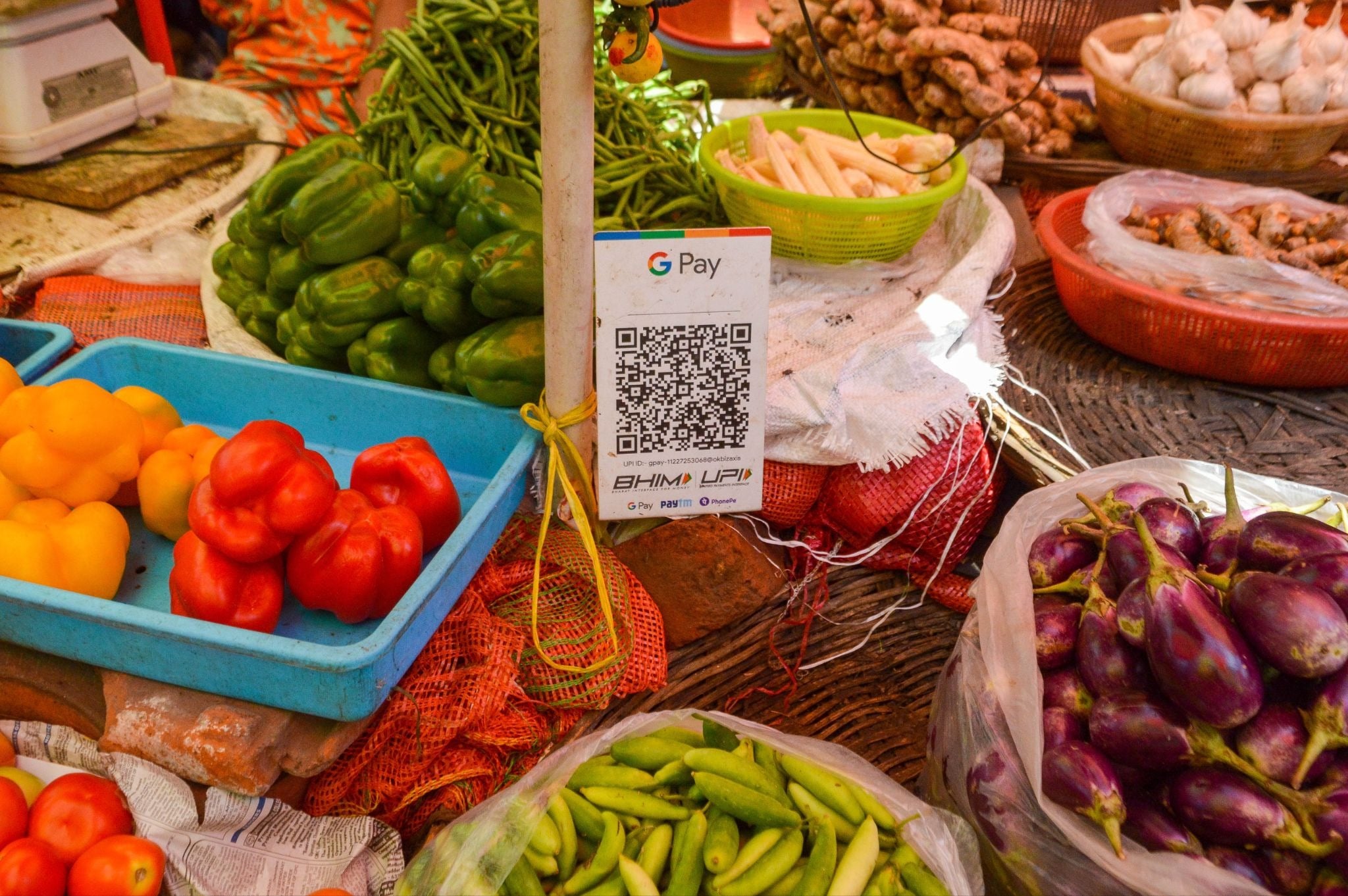
A 50-year standard is being retired
The striped barcode that has identified products at checkout since the 1970s is being phased out. According to The Hustle, GS1 — the standards organisation that controls product numbering worldwide — is leading a global migration to two-dimensional codes such as the QR code, under an initiative called Sunrise 2027. The switch is not legally mandated, but as major retailers install new scanners and tracking databases, brands that delay risk losing shelf space.
How the barcode built its monopoly
The first UPC barcode was scanned in 1974 by a cashier in Troy, Ohio, on a pack of Wrigley's Juicy Fruit gum. Grocery retailers and manufacturers had recently agreed to make the Universal Product Code the industry's single standard, and that decision produced a self-reinforcing network: stores demanded coded products, manufacturers printed the codes, and stores bought scanners. The Uniform Code Council, now known as GS1, was given sole authority over company prefixes — the first six digits of every barcode — and still charges annual licence fees that scale with company size. The Hustle reports that barcodes now appear on more than a billion products, scanned billions of times a day.
A board game in a cafeteria
The replacement was invented two decades into the barcode's reign. In 1992, at Denso, a Toyota auto-parts subsidiary in Japan, some components on the factory line carried ten barcodes each, and workers scanned them one at a time, hundreds of times a day. Engineer Masahiro Hara asked whether a code could be built in two dimensions instead, packing enough data into a single scan to replace ten. The design clicked while he watched colleagues playing Go in the company cafeteria: dark and light stones arranged on a grid suggested the square pattern of the QR code, which scanners can decode from any orientation and which holds roughly 200 times the data of a linear barcode. After eighteen months of development, Denso patented the code — and then published the specifications so any company could use it for free.
Recalls and label real estate
Two pressures are forcing the transition now. The first is traceability. Food recalls in the early 2020s, including onions in 2020 and 2021 and peanut butter in 2022, exposed a hard limit of the barcode: it can say what a product is, but not where it came from. In late 2022 the FDA required manufacturers to keep more detailed tracking records across the food supply chain, and The Hustle ties that mandate directly to Sunrise 2027.
The second is packaging itself. Nicole Light, founder and CEO of packaging strategy firm Power in Packaging, described the difficulty of fitting sales copy, legal requirements, usage instructions and sourcing details onto limited label space, sometimes at text sizes people can barely read. A QR code can identify the product at the till while also linking to ingredients, allergens, expiry dates, environmental impact and disposal guidance — one symbol serving checkout, stockroom and customer alike.
Retail is further along than you think
Kate Hardcastle, a business strategist and author of The Science of Shopping who conducts research with GS1, told The Hustle that nearly half of the retailers surveyed have already started introducing QR capability. "This is no longer a futuristic experiment," she said. Unilever has updated roughly 45,000 SKUs across brands including Dove, Vaseline and Hellmann's. Walmart, Costco and Target are among the retail giants retooling their systems, which effectively sets the deadline for suppliers regardless of what any regulator requires.
The awkward dual-code period
Until retail infrastructure catches up, GS1 requires products to carry both codes, positioned within 50 millimetres of each other — a constraint that complicates label design. The harder work is invisible: a QR code is essentially a link, and links need maintained infrastructure. Someone has to keep the destination information accurate and current, which is a bigger undertaking than printing a new square on a box. Hardcastle warns that brands waiting until retailers insist may face an enormous data problem with very little time to solve it, and Light notes unanswered questions remain, such as whether designers must scan every printed code to confirm it resolves.
Why it matters
This is the first rewrite of physical retail's identification layer since the 1970s, and it touches every product label, checkout scanner and inventory database in the supply chain. It also changes what a product code fundamentally is: no longer a static printed number, but a maintained pointer to live data — effectively turning packaging into software with ongoing content obligations. Research by Hardcastle and GS1 found 79% of consumers preferred QR codes, mainly because useful information is on hand the moment they actually need it, from recipes to a product's origin. The quiet enabler of it all is Denso's 1992 decision to give the QR specification away for free, which is why one factory-floor efficiency problem in Japan is now reshaping how commerce identifies everything it sells.
- #qr-codes
- #barcodes
- #retail-tech
- #supply-chain
- #gs1