· via Hacker News – Front Page (native)
Report: federal HIDTA program funnels city license plate data into shared surveillance databases
404 Media reports that the White House-run HIDTA program is using grant conditions to push local police Flock and Axon camera data onto federal servers, where agencies nationwide can query it.
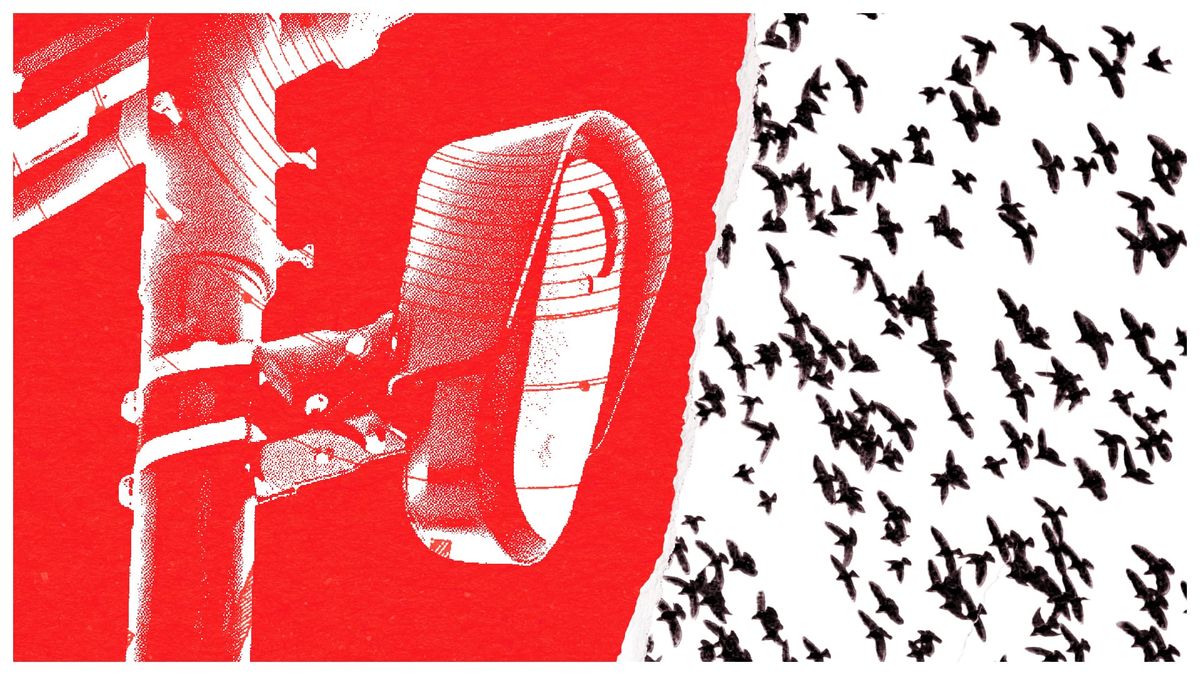
A Reagan-era drug program now pipelines plate data to federal servers
The White House is using an anti-drug trafficking grant program created in the 1980s to require cities to feed their automatic license plate reader (ALPR) data into large federal surveillance centers, according to public records and court documents reviewed by 404 Media. Plate captures from local police Flock, Axon and other camera systems are aggregated on federal government servers, where they can be accessed by other federal, state and local law enforcement agencies.
The vehicle is the High Intensity Drug Trafficking Area (HIDTA) program, which falls under the White House's Office of National Drug Control Policy (ONDCP), the office commonly described as the drug czar. According to 404 Media, data pooled through HIDTA is in some cases also passed onward into a larger Drug Enforcement Administration system known as the National License Plate Reader Program (NLPRP). Because access runs through HIDTA, federal agencies that hold no contracts of their own with ALPR vendors can still query locally collected plate data. The report notes that the White House recently gave HIDTA an award for running a license plate platform that connects all levels of law enforcement.
How cities get pulled in
Rather than a single national mandate, the system runs on conditions attached to agreements. In Georgia, 404 Media found, cities cannot operate ALPR systems on state rights of way unless they sign a memorandum of understanding promising to send their data to a HIDTA. The city of Brunswick discovered this directly: the report says it learned it could not deploy Axon license plate cameras without first signing an agreement with the Atlanta-area HIDTA covering ALPR and law enforcement data-sharing systems, including aggregated information drawn from multiple individual and regional sources.
Flock itself confirms the arrangement on a page aimed at Georgia agencies, stating that cameras installed in state Department of Transportation rights of way require an HIDTA memorandum under state police policy, and that reads from those cameras become available to Georgia users of the HIDTA national LPR system through the Flock interface.
The full scale is unknown. With 33 HIDTA programs covering all 50 states, 404 Media could not determine how many jurisdictions are actively feeding data into the system. A login portal for the national HIDTA system reviewed by the outlet runs through the Houston HIDTA.
The DEA layer, and the DEA's own warnings
A December 2024 privacy impact assessment by the DEA, cited by 404 Media, describes how contributing agencies transmit LPR data to servers maintained by regional hubs under MOUs that allow sharing with the NLPRP. The DEA operates its own readers, draws on non-DEA equipment through HIDTA and other contributing agencies, and has been working to integrate with a Customs and Border Protection license plate camera system.
Notably, the DEA's own analysis concedes the risks. It warns that the network could grow large enough to allow continuous tracking of where individuals travel, and that it risks hoovering up records on every plate passing every camera, including the movements of law-abiding drivers with no connection to any investigation.
Critics see a Hemisphere repeat
Many of the documents surfaced through public records requests filed by Cris van Pelt, who runs HaveIBeenFlocked.com and the investigative blog Footnote4a. Van Pelt argues that promises of community control over surveillance obscure a broader agenda, and that routing local data into federal aggregators sidesteps democratic decision-making altogether.
Jeramie Scott, who directs the Electronic Privacy Information Center's Surveillance Oversight Center, drew a comparison to Hemisphere, the ONDCP-funded call records database that logged more than a trillion AT&T calls. He told 404 Media that the license plate arrangement makes it harder to see who is using plate data and how, and that the government kept Hemisphere out of public view for years. An organizer with Southerners Against Surveillance Systems and Infrastructure said the picture emerging from the records justifies removing the cameras outright.
Why it matters
ALPR networks are typically sold to city councils with promises of local control: retention limits, use policies, community oversight. The HIDTA pipeline, as 404 Media documents, gives federal agencies a route around exactly those restrictions, with no obvious oversight body and a governance structure of executive boards made up of police officials and government lawyers that makes it hard to say who is even in charge of the data. As more cities pass their own limits on plate data use, aggregation through quasi-governmental programs can quietly nullify them. The DEA's own privacy analysis already flags the end state: the technical capacity to track ordinary drivers' travel at scale. If that capability is concerning for a Flock camera on a local street, the reporting suggests the federal copy of that data deserves at least as much scrutiny.
- #privacy
- #surveillance
- #license-plate-readers
- #law-enforcement
- #data-sharing