· via Hacker News – Front Page (native)
Samsung fridge firmware update bricks appliances, spoiling food ahead of Chuseok
A faulty Samsung refrigerator firmware update has knocked out power and screens on some smart fridges before the food-centric Chuseok holiday, with some owners told repairs may not come until October.
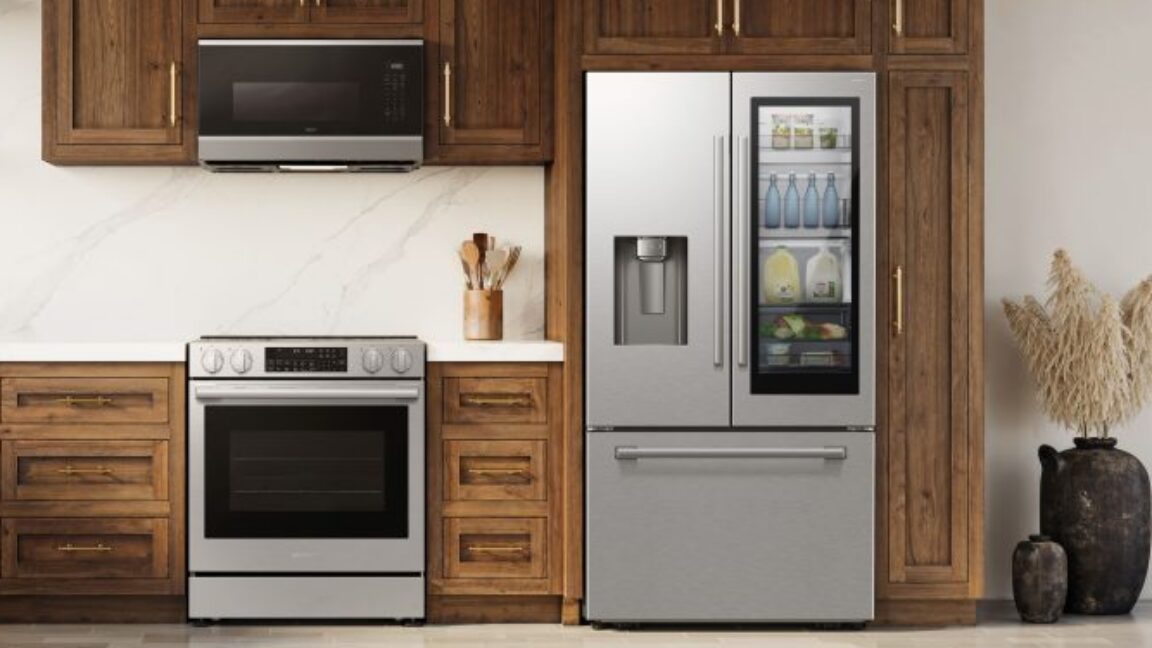
An update that knocked out the fridge
A botched firmware update distributed to Samsung smart refrigerators on September 22 has left some owners with appliances suffering power failures and dead screens, spoiling food in the run-up to Chuseok, the Korean harvest festival. According to Ars Technica, which gathered complaints from Samsung's own customer forum, the faulty build reached customers because of an error in Samsung's testing process — a failure the company itself acknowledged in a forum post.
In that post, translated from Korean, a Samsung representative confirmed that abnormal symptoms had appeared in the power and screens of some refrigerators after the September 22 update. The company said it was treating the situation as a top priority and taking emergency measures through its Electronics Service Centers, asked affected customers to make contact, and pledged that owners would not be left with losses over the holiday period.
Rollout stopped, but repairs could lag
ZDNET Korea, cited by Ars Technica, reported that Samsung halted distribution of the update as of September 23 and aimed to have some fridges fixed by September 24.
Not everyone will be repaired that quickly. According to forum users, support agents initially said that available technicians and staff were in short supply because of the holiday, and that a repair visit might not happen until October. For a fridge that has been unusable since September 22, that is a gap of more than a week — more than enough time for everything perishable inside to go bad.
Spoiled food and sharper risks
Most of the complaints Ars Technica highlighted involve rotten groceries, and the timing made it worse: Chuseok is a food-centric holiday, and owners said their celebrations had been derailed. One forum member vented that customers had their holidays ruined while Samsung employees enjoyed the break at home, while another urged people never to update a Samsung refrigerator at all.
Ars Technica also flagged a more serious consequence than spoiled food: medication that requires refrigeration. A fridge that dies without warning is an annoyance when it holds leftovers, but it can become a health problem when it holds temperature-sensitive medicine.
The publication's broader argument is one the smart home industry keeps relearning: adding software to an appliance adds new ways for it to fail. A conventional fridge can break, but a healthy unit that is only a year or two old rarely stops working on its own. A connected one can be disabled remotely by a bad update, with no hardware fault involved.
Why it matters
The incident is a compact illustration of the trade-off at the heart of smart appliances. Features such as screens and app controls arrive bundled with an update pipeline, and that pipeline becomes a single point of failure for a device most people expect to run quietly for a decade. When the pipeline breaks, it breaks everywhere at once — which is why Samsung now faces a backlog of dead fridges and a shortage of technicians during a holiday week.
It also shows how repair capacity, not engineering, often determines the true cost of a software defect. Halting a bad update takes minutes; compensating for the food and goodwill of every affected household takes weeks. For device makers, the lesson is that updates pushed to appliances deserve the same caution as updates pushed to anything mission-critical, because for the owner standing in front of a warm fridge full of ruined groceries, the appliance is exactly that.
- #samsung
- #firmware
- #smart-home
- #iot
- #software-updates