· via TechCrunch
Serve Robotics launches Physical AI Services to supply tech to other robot builders
Serve Robotics, the sidewalk delivery robot maker, will sell its connectivity and data tools to other robot companies via a new Physical AI Services line, aiming to become infrastructure for the robotics industry.
From operator to supplier
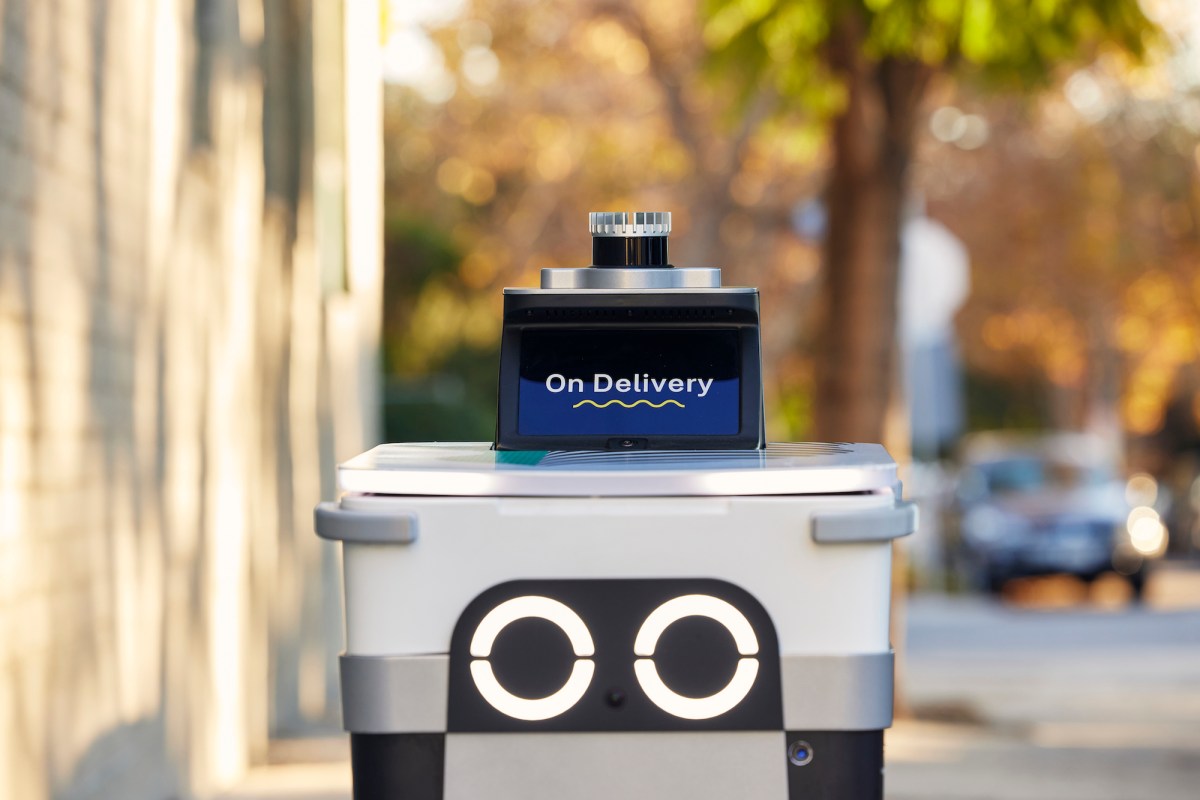
Serve Robotics, the company behind the googly-eyed sidewalk delivery robots, is expanding beyond running its own fleet. According to TechCrunch, the company announced Thursday, alongside its third-quarter earnings, a new business line called Physical AI Services, through which it will sell the connectivity and data tools it built for its own machines to other companies developing robots.
Early traction includes Bedrock Robotics, a startup building self-driving systems for construction equipment, which Serve named as a customer. The company also said it is working with T-Mobile to bring AI computing power closer to robots in the field.
Serve, which emerged from Uber's acquisition of Postmates and went public in 2024, frames the move as an answer to a shared industry problem. "We are solving the problem of robots in human spaces," CEO and co-founder Ali Kashani told TechCrunch.
Three products to start
Physical AI Services launches with three offerings.
Serve Link connects robots operating in the field to AI systems running in data centers, letting companies tap more powerful models than they could reasonably carry onboard. Kashani argued to TechCrunch that nearly every robotic application needs to link its machines to offboard intelligence, whether for data collection or exception handling, and that the real challenge is sustaining a high-performance connection across unreliable networks.
A data curation tool helps companies surface edge cases in the real-world data their robots generate, which can then be fed back into training to improve performance.
The third product is a foundation-model data catalog built from data collected by Serve's own sidewalk robots, intended to teach AI models how to interpret complex human environments.
A playbook borrowed from Amazon
Kashani explicitly likened the move to what Amazon did with cloud computing. As TechCrunch reports, he described it as an "AWS moment": taking technology built for internal use and opening it up for others to build on. He added that this would not have been possible without Serve first developing and operating its own fleet.
His reasoning, per TechCrunch, is that in a nascent field you have to build the end-to-end application yourself, because that is the only way to learn what to build. As the technology matures and more companies pursue similar products, opening the platform lets them build with you rather than around you.
The fleet keeps running
Serve makes two robots today: the sidewalk delivery machine and a hospital robot that came with its acquisition of Diligent Robotics. Kashani stressed that neither business is going away; the target customers for the new unit are companies building robots for farms, warehouses and other uncontrolled environments.
The delivery operation is itself changing shape. TechCrunch notes that Serve's sidewalk delivery business is growing while shifting away from Uber toward other partners, including DoorDash and Wonder.
Why it matters
Serve's shift illustrates a familiar pattern in young technology markets: companies that build complete systems to solve their own problems often find the underlying infrastructure is the more valuable product. If Physical AI Services gains traction, Serve stops being just one more robot operator competing for delivery contracts and starts selling picks and shovels to the whole industry, a far larger potential market.
The bet also reflects where the robotics bottleneck actually sits. For most companies, the hard part is not assembling a robot but keeping it reliably connected to data-center AI over flaky wireless networks, and getting enough curated real-world data to train models that can handle messy human environments. Serve has spent years generating exactly that data and solving exactly that connectivity problem at fleet scale. The T-Mobile partnership suggests carriers also see edge computing for robots as a business of their own. The open question is whether technology proven on sidewalk delivery robots generalizes well enough to construction sites, farms and warehouses to make Serve the platform it wants to be.
- #robotics
- #ai
- #autonomous-delivery
- #infrastructure
- #startups