· via Hacker News – Front Page (native)
Tesla starts selling Cybercab fleets to businesses, reviving a 2019 robotaxi promise
Tesla is inviting businesses to buy and operate Cybercab fleets on its robotaxi network. Electrek argues the offer offloads capital risk onto buyers while Tesla keeps the software margin.
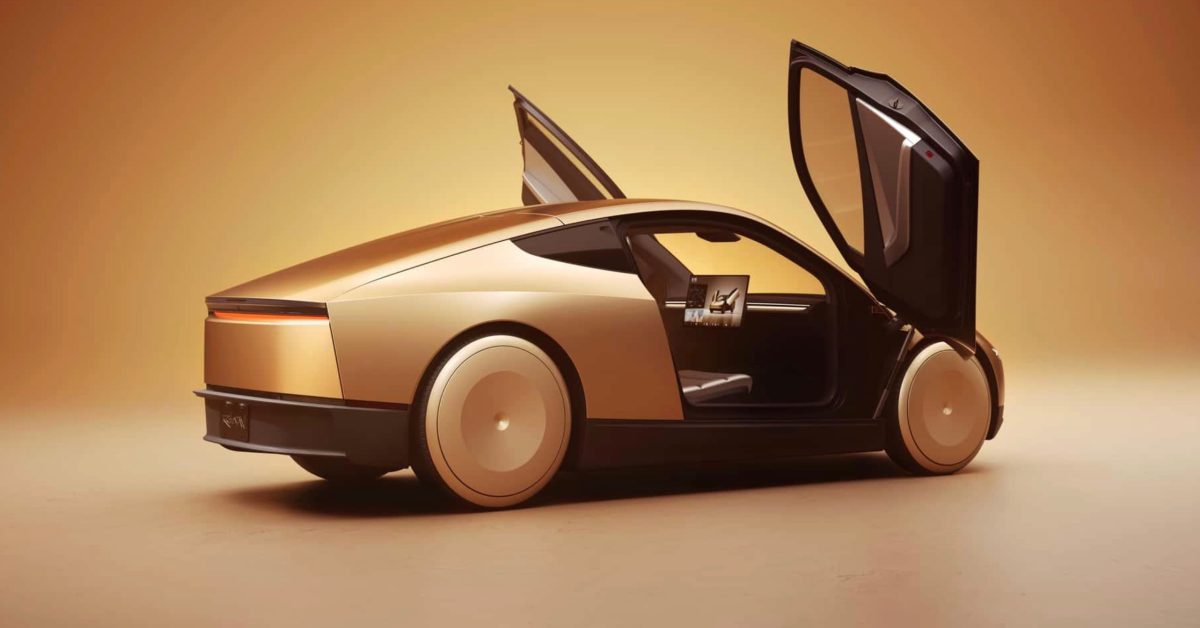
Tesla invites businesses to buy Cybercab fleets
Following its September 3 Cybercab event, Tesla began circulating an interest form inviting companies to take part in what it labels "Cybercab fleet vehicle purchasing," according to Electrek. Under the proposed arrangement, a business would buy the vehicles outright, deploy them on Tesla's robotaxi network and share the resulting fare revenue with the company.
The offer revives a pitch Elon Musk has made since at least 2019. At that year's Autonomy Day, he said owners could enrol their cars in a "Tesla Network" and generate as much as $30,000 per vehicle per year in gross income, and he described the cars as "appreciating assets" whose value would rise as Full Self-Driving improved.
The track record Electrek points to
The piece, an opinion column that reached the front page of Hacker News, argues the earlier promise never materialised. Customers paid up to $15,000 for FSD on the expectation of eventual taxi income, yet no private owner can operate a Tesla as a robotaxi today; Tesla runs the service itself.
The sharpest example cited is MisterGreen, a Dutch leasing firm that bought more than 4,000 Teslas on the belief that the cars would hold their value and later earn robotaxi revenue. According to Electrek, Tesla then spent roughly two years cutting new-car prices, and used Teslas began depreciating at around three times the rate of the broader used-car market. MisterGreen went bankrupt in December 2025, with about $40 million lost by bondholders. Electrek also says it knows of a Los Angeles company that assembled a Tesla fleet between 2018 and 2020 in anticipation of the Tesla Network and shut down soon after the income failed to appear.
The incentive problem
Electrek's central argument is about incentives. Tesla builds the Cybercab and controls everything the vehicle would depend on: the network, the software, dispatch, pricing and the revenue split. If each car reliably generated the kind of income Musk has described, the company has the factories, the capital and the platform to run every unit itself and keep the entire return. In Electrek's reading, companies do not hand a reliable profit engine to strangers; they hand over risk.
Under the fleet model, the buyer absorbs the capital cost and the depreciation, while Tesla records the vehicle sale, keeps the high-margin software and takes a share of every fare. Fleet operators would also compete on a platform owned by their supplier, which sets prices, controls the revenue split, decides how vehicles appear in the app and can restrict where a partner's cars operate at all. The buyer holds the downside while Tesla retains the margin.
Why it matters
The robotaxi business model is still unsettled, and one of its biggest open questions is who carries the cost of the vehicles. A company that owns its fleet also owns its depreciation; a company that sells its fleet to partners converts that risk into upfront revenue. Tesla's pitch points toward the second path, and it arrives before the service has a demonstrated, public record of per-vehicle profitability.
For any business weighing the interest form, the question Electrek poses is the one worth answering first: if the economics are as good as advertised, why would the company that builds the cars, the software and the network hand that margin to anyone else?
- #tesla
- #robotaxis
- #autonomous-driving
- #business-model
- #cybercab