· via Hacker News – Front Page (native)
Tottenham Hotspur drops VMware for HPE Morpheus, cutting licensing fees 85 percent
Tottenham Hotspur says it cut virtualization licensing fees by more than 85 percent after moving its stadium's infrastructure from VMware to HPE's Morpheus platform via GreenLake.
A stadium moves off VMware
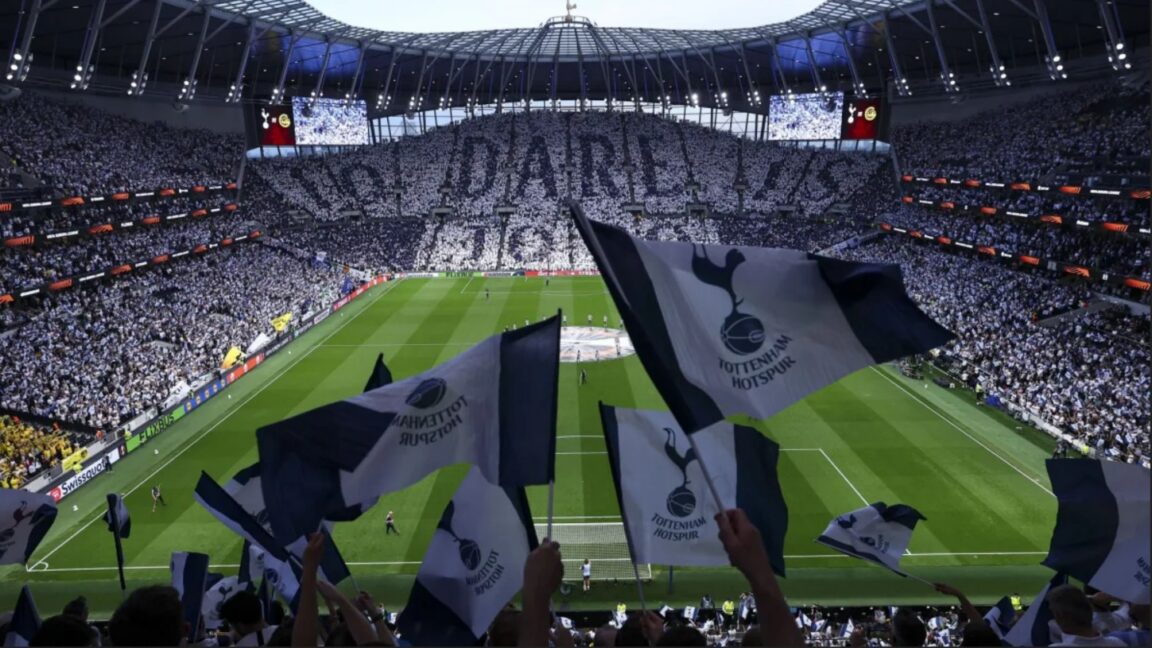
Premier League football club Tottenham Hotspur has cut its virtualization licensing fees by more than 85 percent after replacing the VMware estate in its stadium data center with HPE's Morpheus VM Essentials (VME). Ars Technica reported the figure, which adds a high-profile name to the growing list of organizations reassessing VMware following Broadcom's takeover of the company.
The club confirmed to The Register this week that the server, storage and networking infrastructure at Tottenham Hotspur Stadium now runs on HPE equipment delivered through GreenLake, HPE's hybrid cloud management platform. Chief Technology Officer Rob Pickering told the publication that the setup is underpinned by VME and HPE's OpsRamp software for hybrid and multi-cloud environments, with HPE itself running the hybrid cloud-managed service.
What the new stack looks like
According to The Register, the migration is part of a wider redesign of the stadium's data center and network infrastructure that is close to completion. The stadium data center, which spans six aisles, is built on HPE ProLiant Compute Gen12 servers and Alletra Storage MP storage. In its own announcement, HPE said the club is using Morpheus and OpsRamp software to manage a complex, multi-site environment more efficiently while modernizing its virtualization platform and cutting operational overhead.
Conspicuously absent from the disclosures are the VMware products Tottenham previously ran and what it actually paid for them. The 85 percent figure is therefore a relative saving rather than an absolute one. It signals the cost gap the club perceived between its old licensing arrangement and the new setup, but it is not a number other VMware customers can map directly onto their own renewal quotes.
Replacement cycles and a "400-pound gorilla"
Speaking to SDxCentral, Pickering said the timing of the switch was largely a function of hardware refresh schedules: the club happened to be at the right point in its replacement cycles to weigh its options.
He was more pointed about the reasons for looking beyond VMware at all. For most of his technology career, he said, the hypervisor has been an unremarkable purchase — something you bought from a single vendor and quietly got on with, with VMware acting as a "400-pound gorilla" in that market. That arrangement broke down, in his view, when VMware made decisions that he believes run counter to the interests of both system integrators and customers.
Pickering's remarks did not enumerate those decisions, but they land in a period when many VMware customers have publicly complained about price increases and changed licensing terms under Broadcom's ownership and have begun moving workloads to alternative platforms.
Why it matters
The slow-motion migration away from VMware has been one of the defining enterprise infrastructure stories since Broadcom's acquisition, and most of the evidence so far has been survey data, vendor marketing and anonymous anecdotes. Tottenham's case stands out because it is a named customer with a specific, large percentage saving attached to a completed migration, confirmed in interviews with trade press.
It is also notable where the club landed. The destination is not a niche open-source hypervisor but a commercial platform from a major vendor, bundled with server hardware, storage, cloud management and a managed service under HPE's GreenLake consumption model. For enterprises weighing a similar exit, that illustrates a plausible landing zone: an integrated stack from a single supplier rather than a like-for-like hypervisor swap.
The gaps in the disclosure matter too. Without knowing which VMware products were in place or what the previous bill looked like, the 85 percent figure resists direct comparison — but as a headline datapoint in procurement conversations, it is exactly the kind of number that puts pressure on incumbent licensing renewals.
- #vmware
- #hpe
- #virtualization
- #cloud
- #broadcom