· via Hacker News – Front Page (hnrss.org)
UC Berkeley halts international students' Course Credit CPT work authorizations after new ICE memo
UC Berkeley's international office has paused Course Credit CPT applications indefinitely after a second ICE memo in two weeks, while SEVP begins auditing schools for compliance.
What BIO announced
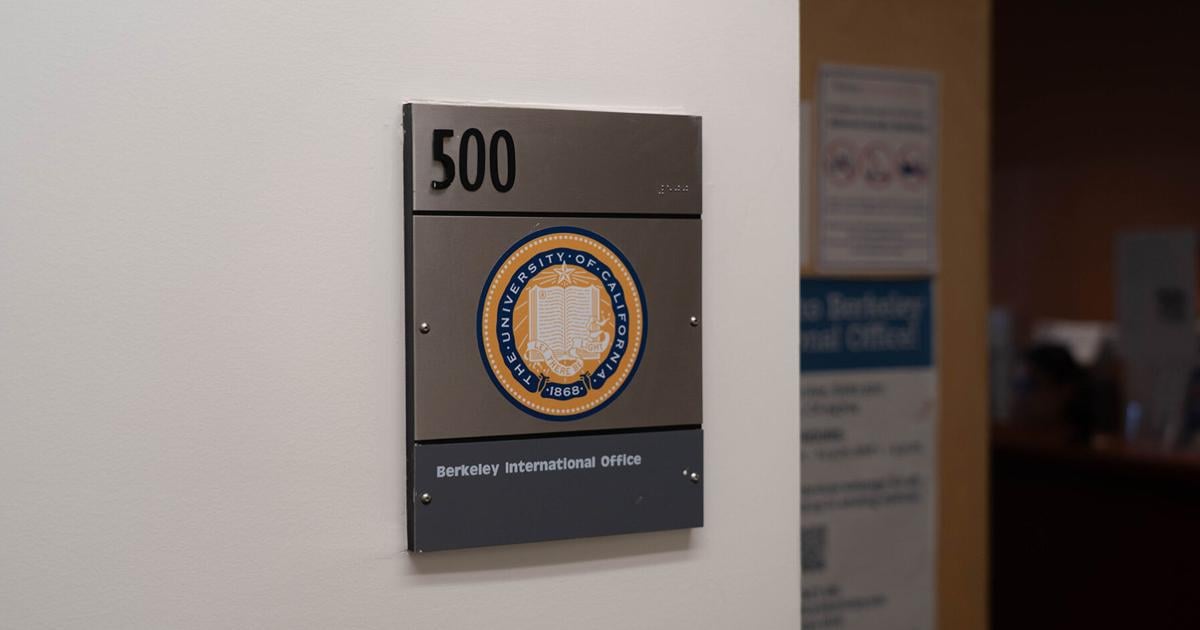
UC Berkeley has stopped accepting applications for a widely used international student work authorization, after its international office received a second warning from U.S. Immigration and Customs Enforcement in under two weeks. The Berkeley International Office (BIO) told international students in an email that applications for Course Credit Curricular Practical Training (CPT) are paused "for the foreseeable future," according to The Daily Californian.
BIO said the pause responds to an ICE memo delivered Monday that builds on guidance sent less than two weeks earlier, both aimed at getting universities to monitor CPT authorizations more closely for compliance with federal regulations. The office initially hoped to resume processing applications the following week but said it now needs additional time to consult legal counsel.
"It is unlikely that we will be processing such applications in the near future, so please plan accordingly," BIO wrote, adding that it regretted the action but believed it was in the best interest of students holding F-1 status and of the university.
What Course Credit CPT does
Course Credit CPT is the mechanism that allows international students on F-1 visas to gain practical work experience while enrolled, with that experience counted as credit toward their degree program. Suspending it means students at Berkeley cannot obtain work experience through this route unless it qualifies as an "integral part of an established curriculum."
Audits and a new tip line
According to the ICE memo, the Student and Exchange Visitor Program (SEVP), the government program that manages international and exchange students, has begun auditing schools to verify compliance. Institutions that fail to meet the regulations risk losing their certification to enroll international students altogether, which helps explain the speed and breadth of Berkeley's response.
The memo also introduces a tip line, reviewed by SEVP and Homeland Security Investigations, that Designated School Officials can use to report cases where they are being pressured by superiors to make noncompliant decisions on behalf of international students.
What still works
BIO said it will continue processing "degree-requirement" CPT applications as usual, meaning cases where the work is a required part of the degree program itself. The office said it will work with academic programs to put the necessary infrastructure in place to process those applications in line with ICE requirements, and it emphasized its commitment to students' academic experience despite the current limitations.
Why it matters
For international students in technical degree programs, CPT is one of the main routes to hands-on industry experience, often through internships, before graduation, and it feeds the pipeline of workers who move into longer-term U.S. employment afterward. An indefinite suspension with no clear timeline leaves students mid-program in limbo, and BIO's own advice to "plan accordingly" shifts the burden onto them to rearrange degree plans and job commitments.
The episode also illustrates how federal enforcement pressure converts directly into institutional behavior. With SEVP actively auditing schools and certification at risk, universities have a strong incentive to suspend anything that might be judged noncompliant rather than gamble on their ability to enroll international students at all. The story drew wide attention after reaching Hacker News' front page, reflecting how closely the tech sector, which depends heavily on international talent, is watching the tightening of student work rules.
- #immigration
- #higher-education
- #work-authorization
- #f-1-visa
- #policy