· via Hacker News – Front Page (native)
ULA's Vulcan rocket fails on return-to-flight, losing 40 Amazon Leo satellites
ULA's Vulcan Centaur failed ten minutes into its return-to-flight mission, losing 40 Amazon Leo satellites and delaying the buildout of Amazon's satellite broadband network.
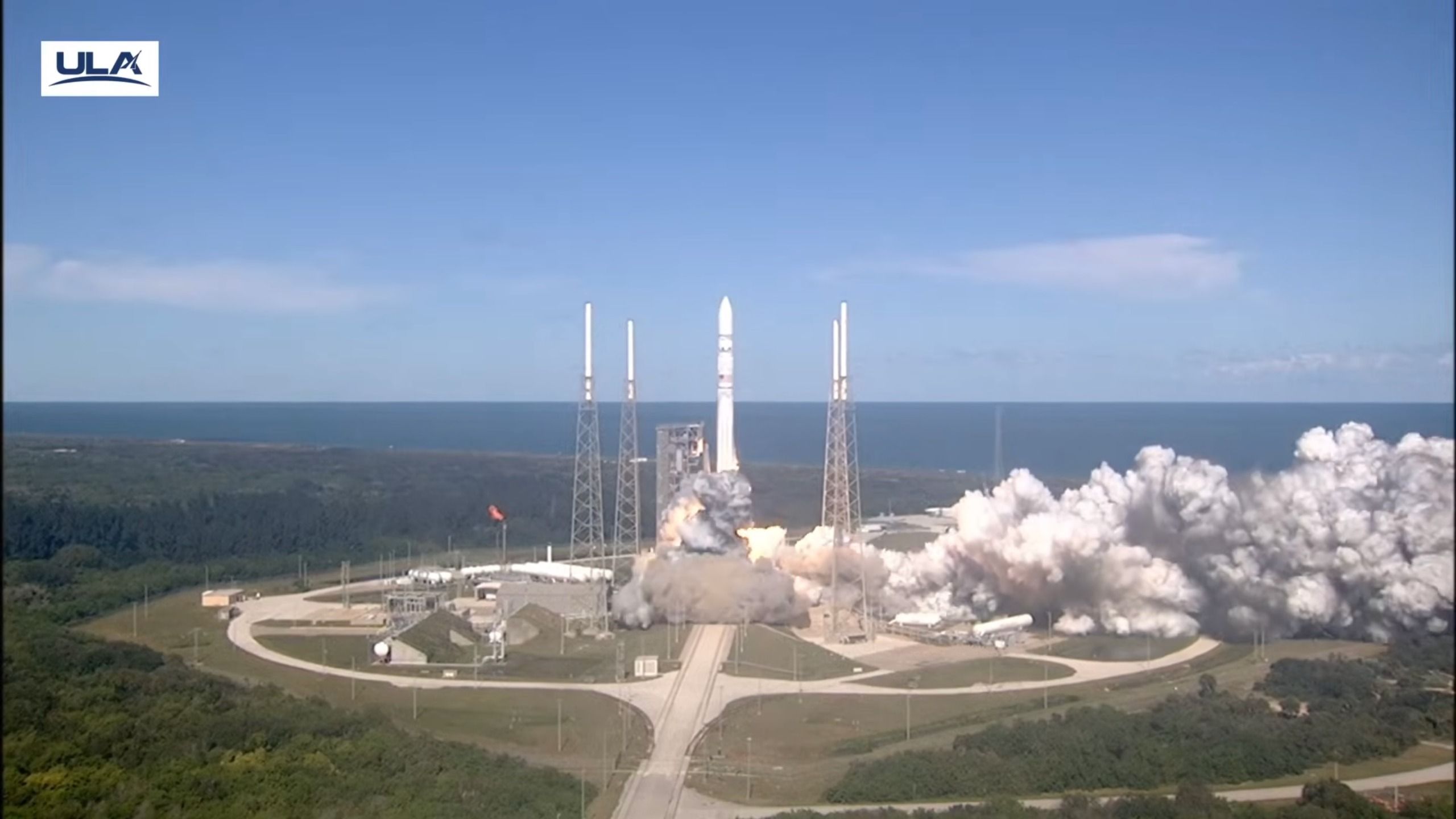
United Launch Alliance's Vulcan Centaur rocket failed during its return-to-flight launch on Nov. 15, and the 40 Amazon broadband satellites it was carrying were lost, according to Space.com. The vehicle lifted off from Cape Canaveral Space Force Station in Florida at 12:40 p.m. ET but never delivered its payload to low Earth orbit.
What ULA has said
About 50 minutes after liftoff, ULA confirmed in a post on X that the rocket had run into trouble roughly ten minutes into the flight and had failed to send the Amazon mission to orbit. The company added that it had no specific data yet that would explain the failure, according to Space.com, so the cause remains unknown.
A troubled history for Vulcan
Vulcan first flew in January 2024 and had completed four missions before this one. Two of those flights, the second in October 2024 and the fourth in February 2026, saw a nozzle on one of the rocket's solid rocket boosters burn through and break away about 30 seconds after launch. Vulcan compensated in both cases and its payloads still reached their intended orbits, but the U.S. Space Force was concerned enough to pause national security launches on the rocket until the problem was fixed.
ULA spent the following months working the issue. In an Oct. 28 update, the company said its team had identified several likely contributors to the nozzle anomaly and had addressed them through design and process changes to the nozzle.
A different failure this time
Those fixes appear to have held. Space.com reports that the solid boosters seemed to perform as expected during the Nov. 15 launch. The failure that ended the mission was a separate and more serious one, striking roughly ten minutes after liftoff, long after the boosters had finished their job. No cause has been identified publicly, and the flight came after a nine-month gap since Vulcan's previous launch.
A setback for Amazon Leo
The lost satellites were destined for Amazon Leo, the broadband constellation formerly known as Project Kuiper that is intended to rival SpaceX's Starlink. Amazon plans a fleet of more than 3,200 satellites, and roughly 400 had reached orbit before this launch, spread across 15 flights performed by three different rockets: ULA's Atlas V, SpaceX's Falcon 9 and Arianespace's Ariane 6, according to Space.com.
The Nov. 15 mission, which ULA dubbed Vulcan Leo 1, was the first Amazon Leo launch to fly on Vulcan. Amazon will now need to replace the lost spacecraft, and ULA must find and fix whatever went wrong before the constellation's deployment schedule can resume on the rocket.
Why it matters
Satellite broadband is turning into core internet infrastructure, and Amazon Leo is one of the few credible challengers to Starlink's head start. Losing 40 satellites in a single failure wipes out about a tenth of the constellation's deployed fleet in one stroke and pushes Amazon further behind a competitor that already operates at scale.
For ULA, the damage may be greater still. The company had just emerged from a nine-month grounding over the booster nozzle issue, and this launch was meant to prove that Vulcan, the successor to Atlas V and a vehicle the U.S. government depends on for national security missions, could be trusted. Instead, an unrelated failure raises the prospect of another lengthy investigation and renewed scrutiny from the Space Force, with knock-on delays for government and commercial customers alike.
The loss also landed during an unusually busy stretch for the industry. As Space.com notes, SpaceX caught a Starship upper stage for the first time during a Nov. 13 test flight, and Rocket Lab flew its 100th mission on Nov. 14, underscoring how much launch activity, and launch risk, now surrounds the satellite internet market.
- #space
- #satellite-internet
- #amazon
- #rocket-launch
- #broadband