· via Hacker News – Front Page (hnrss.org)
US border searches of phones and laptops up 32% this year, CBP data shows
US border searches of travelers' phones and laptops are up 32% this year, CBP data obtained by CBC News shows, with agents able to run basic searches without suspicion and compel passcodes.
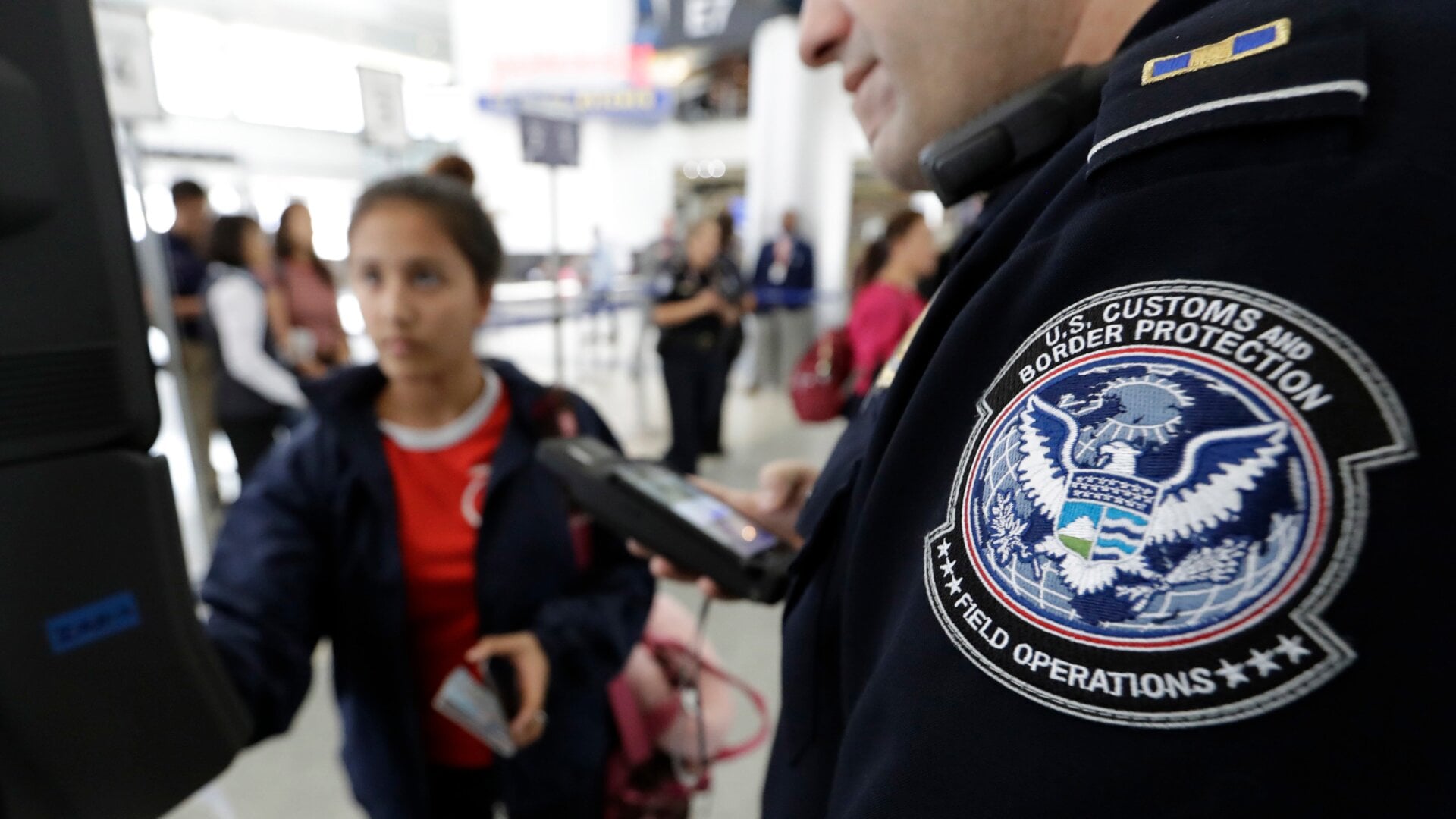
Border device searches up 32%
US Customs and Border Protection searched travelers' laptops and phones at a sharply higher rate this year, according to data CBC News obtained from the agency and reported by Gizmodo. Device searches rose 32% over the first three quarters of the 2026 fiscal year, a period running from October 1, 2025 through June 30, 2026, which means the full-year total is on track to set another record.
A record already set
Border agents searched a record 55,424 devices over the entire 2025 fiscal year, according to the CBC News figures cited by Gizmodo. The overwhelming majority — 47,517 — were "basic" searches, a tier an officer can start at their own discretion, with no reasonable suspicion of wrongdoing required. A traveler selected for a basic search is legally required to provide the device's passcode so the officer can examine what is on it; refusing allows the officer to detain the device for up to five days.
The other 4,564 searches in fiscal 2025 were "advanced" searches. This tier requires an officer to assert reasonable suspicion that the device holds evidence of a legal violation or a national security concern. Agents then use forensic tools from vendors such as Cellebrite and Grayshift to unlock the device and copy its contents, including encrypted data. According to Gizmodo, the copied data is subsequently scanned by AI systems, with the findings reviewed by people.
What counts as suspicion
Reasonable suspicion can rest on factors travelers may not anticipate. Gizmodo reports that inclusion on a government-vetted terrorist watch list qualifies, and points to a September 2025 executive order describing "ANTIFA" as a terrorist organization, followed by National Security Presidential Memorandum-7, which frames a broad set of ideological positions as markers of domestic extremism. Under that framing, the article argues, the pool of people who could plausibly be flagged for an advanced search is considerably wider than conventional security targets.
On constitutional protections, Gizmodo notes that a search considered legally justified before it occurs is not treated as a Fourth Amendment violation in the eyes of the law — one reason border searches carry fewer checks than searches conducted elsewhere.
The risk of resisting
Travelers who try to lock or wipe a device at the border itself face separate legal exposure. Samuel Tunick, an Atlanta activist and US citizen, was recently indicted by a federal grand jury for using GrapheneOS's "duress PIN" — a feature that wipes the phone — while being questioned at the border, Gizmodo reports. He faces up to five years in prison if convicted.
Gizmodo advises that anyone planning to wipe a device do so well before handing it over, rather than in the moment, and points to a pre-travel checklist from the Freedom of the Press Foundation covering digital hygiene for travelers.
Why it matters
A 32% year-over-year increase, with a full quarter of data still uncounted, means device searches at the US border are no longer a rare occurrence. Basic searches require no suspicion and travelers are compelled to unlock their devices, so the exposure reaches anyone crossing with a phone or laptop: journalists with confidential sources, lawyers with privileged material, business travelers with proprietary data, and ordinary users whose message histories are open to AI-assisted review. With the holiday travel season approaching and last year's figures already at a record, Gizmodo expects the upward trend to continue. For anyone traveling to the US, treating the border as a point where a device may be fully inspected — and carrying clean or minimal hardware — is shifting from a niche precaution toward standard practice.
- #privacy
- #security
- #border-searches
- #encryption
- #digital-rights