· via Hacker News – Front Page (hnrss.org)
US judge certifies class of banks and credit unions in Apple Pay antitrust suit
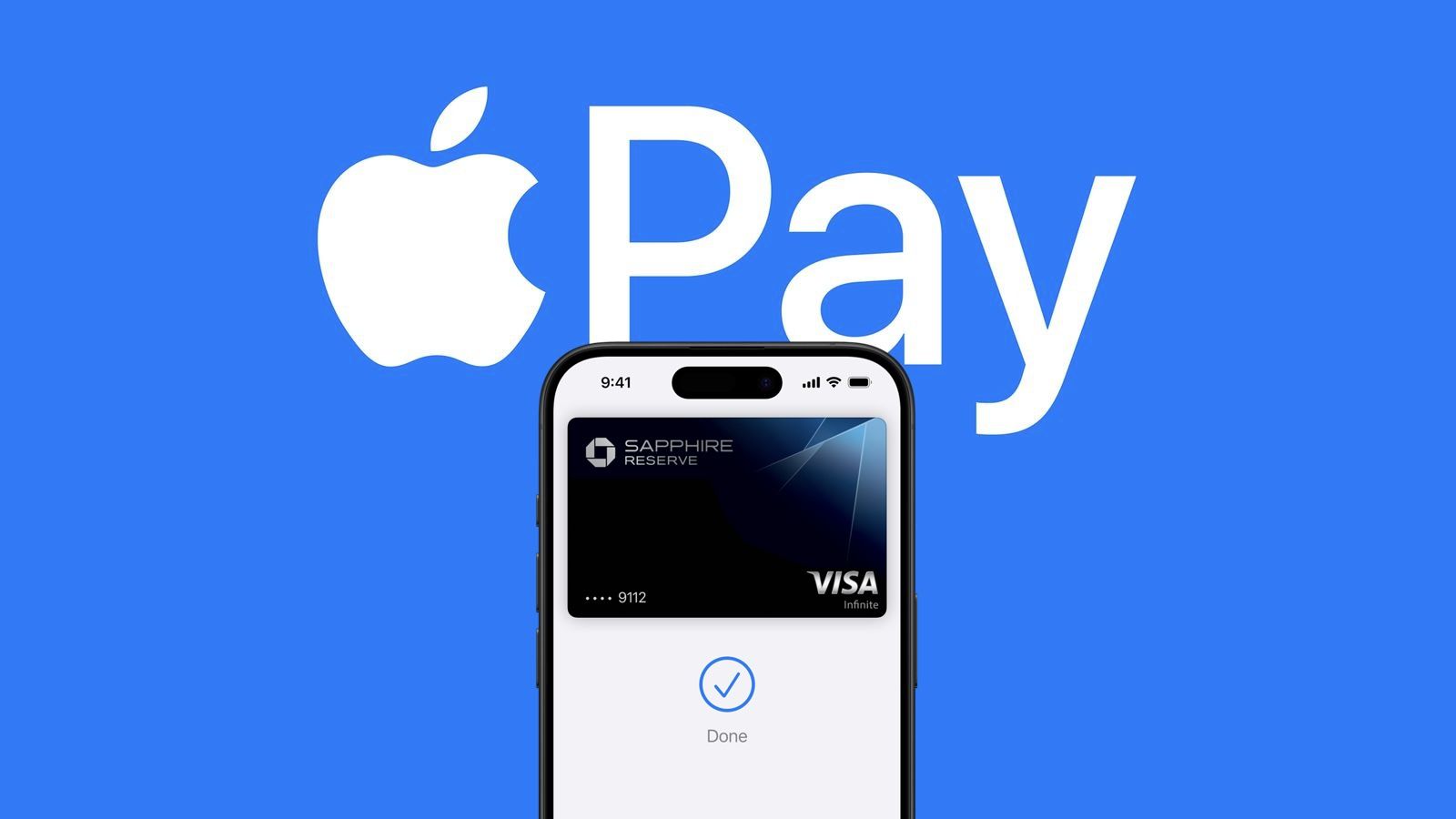
A US district judge has certified a class of card issuers that paid Apple Pay fees, letting banks and credit unions collectively pursue an antitrust case over Apple's tap-to-pay restrictions.
A class of card issuers can now sue together
A federal judge in the United States has certified a class in a long-running antitrust case against Apple, clearing the way for banks and credit unions to press their claims over Apple Pay as a group rather than one by one. According to MacRumors, Judge Jeffrey White approved the class this week, defining it to cover any US entity that issued a payment card enabled for Apple Pay and paid Apple a fee on Apple Pay transactions tied to that card.
The same ruling rejected Apple's bid to throw out expert testimony that the plaintiffs' lawyers say shows the company holds monopoly power over mobile wallets. That evidence will stay in the case as it moves forward.
What the lawsuit alleges
The suit dates back to 2022. Its central claim is that Apple locks competing wallets out of the iPhone's NFC chip, the hardware behind tap-to-pay, leaving Apple Pay as the only option for contactless card payments on iOS. Because issuers have no alternative route to iPhone users, the complaint argues, Apple can charge fees that the lawsuit estimates reach up to $1 billion a year.
Those fees, as described in the complaint, work out to 0.15 percent of a credit card transaction and half a cent on each debit card transaction. On a $1,000 credit purchase made through Apple Pay, Apple collects $1.50 from the card issuer rather than from the shopper.
The filing points to Google's Android as a contrast: multiple wallets operate on that platform, and Google does not charge card issuers for contactless payments. On that basis, the plaintiffs contend Apple could not keep charging meaningful fees if rival wallets were allowed onto its devices.
Apple has since opened the chip
Apple's policies have shifted since the case began. As of iOS 18.1, according to MacRumors, developers can build NFC contactless payments into their own apps, and access to the chip is available in the United States, Canada, Australia, Brazil, Japan, New Zealand, the United Kingdom, the European Economic Area and a number of other markets.
That change has not ended the litigation. The plaintiffs are seeking repayment of the fees card issuers have already paid, along with a court order aimed at stopping the practices at the heart of the complaint. The allegations remain unproven; certifying a class decides who may participate in the suit, not who wins it.
Why it matters
Class certification changes the economics of this case. Individual banks each lost relatively small amounts per transaction, which would make separate lawsuits impractical. As a class, every affected US card issuer stands behind the claim, and the potential damages scale accordingly, measured against fees the suit says approach $1 billion annually.
The case is also a test of how far platform owners can go in reserving hardware capabilities for their own services. If the plaintiffs prevail, Apple could owe issuers compensation and operate under an injunction, and the reasoning could ripple toward other gatekept features on mobile devices. Conversely, Apple's decision to open NFC access in iOS 18.1 may shape how the court weighs whether the alleged harm persists. For banks, credit unions and any developer building payment features, the outcome will help define who gets to compete on the iPhone's tap-to-pay experience, and on what terms.
- #apple-pay
- #antitrust
- #mobile-payments
- #nfc
- #class-action