· via Hacker News – Front Page (hnrss.org)
Voters in more than 30 US localities approve bans and limits on data centers
Ballot measures across nine states approved moratoriums and bans on data center construction, a setback for the AI buildout that lenders are already treating as a credit risk.
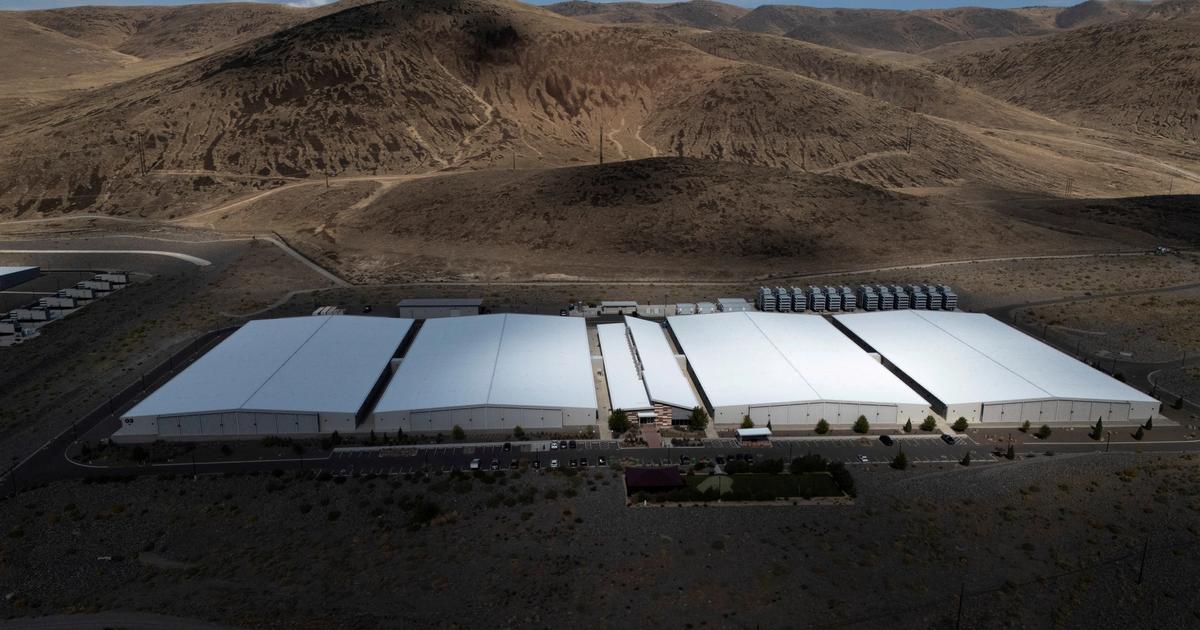
Data center construction ran into a wall of local opposition at the ballot box this week. According to Semafor, voters in more than 30 localities across nine states approved moratoriums, outright bans and other restrictive measures on Tuesday, with several votes aimed at specific projects already under construction.
Semafor frames the outcome as a political shock likely to unsettle investors who were already growing uneasy about the pace of the AI infrastructure buildout.
What was on the ballot
The measures differed in form but pointed in the same direction. In Edgewater, Florida, residents voted overwhelmingly to write a data-center ban into the city charter, which locks the prohibition in place beyond the reach of a simple council vote. In Perry, Ohio, voters approved financial and operational constraints on hyperscalers pursuing tax breaks, a sign that even communities willing to host facilities want tougher terms attached.
Notably, Semafor reports that some of the measures were triggered by projects already underway rather than hypothetical proposals, meaning opposition crystallized around construction people could see happening near them.
The issue went mainstream
The ballot results track a broader shift in campaign politics. One analysis cited by Semafor found that Democrats running in more than 130 federal and gubernatorial races this cycle aired advertising with anti-tech or anti-data center themes.
The pressure was not confined to one party. Texas Governor Greg Abbott, whom Semafor describes as an AI booster just months earlier, moved toward promising tougher regulation during his campaign. He lost anyway, underscoring how little political cover the issue offered on either side.
Lenders are already pricing the risk
The financial machinery behind the buildout is reacting. Semafor reports that banks and asset managers financing data center projects have started to classify local opposition as a credit risk, which can translate into costlier capital and longer timelines for developers.
On the industry side, hyperscalers are moving quickly to hire community liaisons, an acknowledgment that winning sites now requires a sustained local engagement operation rather than a one-time permitting fight.
There is also a messaging effort underway. According to Semafor reporter Ashley Gold, tech companies are attempting to rebrand data centers as "compute campuses," so far with mixed results.
Why it matters
The AI boom is often discussed in terms of chips, models and capital, but it ultimately depends on physical facilities that have to be sited somewhere. When more than 30 localities in a single election cycle vote to block or constrain those facilities, the map of viable locations shrinks, and the projects that do proceed face longer approval processes and more conditions.
The financial dimension may matter even more. Once lenders begin treating community opposition as a credit risk, the cost of the entire buildout rises, compounding the investor nervousness that was already building around AI spending. Political resistance stops being a local nuisance and becomes a line item in financing models.
Finally, the results show that data centers have graduated from a zoning technicality to campaign fodder in federal and gubernatorial races. That means the industry's political exposure is no longer limited to town councils and county boards, and the rebranding attempts suggest companies know their public image is part of the problem. Tuesday's votes indicate that changing the name has not yet changed the politics.
- #data-centers
- #ai-infrastructure
- #cloud
- #local-politics
- #elections