· via Hacker News – Front Page (native)
Wisconsin deputies ran over 100 Flock plate searches on veteran who filmed a traffic stop
Court filings in a federal lawsuit show Waukesha County deputies ran more than 100 Flock Safety license plate searches for the BMW of a Navy veteran after he lawfully recorded a traffic stop.
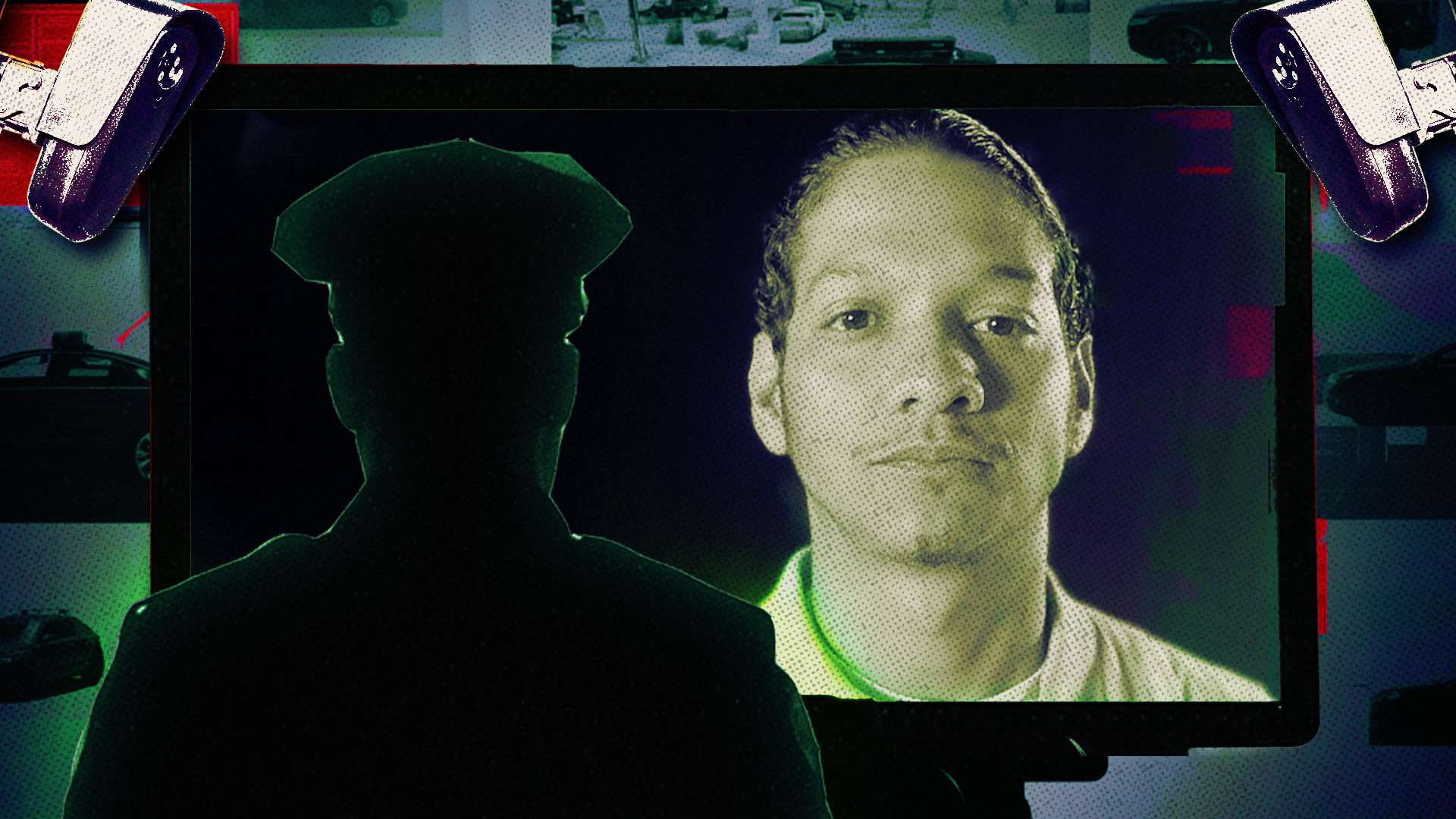
A federal lawsuit in Wisconsin has revealed that sheriff's deputies searched Flock Safety's automated license plate network more than 100 times for the vehicle of a Navy veteran in the weeks after his arrest — an arrest that even the department's own supervisor reportedly acknowledged was unlawful. According to Reason, which reviewed the court filings and an internal sheriff's office memorandum, the surveillance campaign began after the man did something squarely within his rights: he filmed a traffic stop.
A recording, then an arrest
On May 4, 2025, Napoleon Jones was standing in a private parking lot in Sussex, Wisconsin, when he saw a traffic stop unfolding nearby. Jones, a U.S. Navy veteran, told TMJ4 News, the local NBC affiliate, that the scene "didn't sit right" with him, so he walked over and recorded it from a safe distance without interfering.
When that stop ended and Jones returned to his vehicle, Waukesha County Sheriff's deputy Brandon Shayhorn turned on his lights and stopped him, arguing that a temporary paper plate displayed in the vehicle's window was unreadable, TMJ4 News reports. Jones refused to hand over his driver's license on the grounds that he was being stopped unlawfully on private property. Video of the encounter shows the deputy opening Jones's car door and pulling him out. Jones was booked for resisting and obstructing, held for five hours, then released with no citations or criminal charges.
A post-arrest memorandum reviewed by Reason shows that Shayhorn's supervisor informed him shortly after the arrest that he had illegally stopped Jones and therefore could not compel him to identify himself. Jones filed a citizen's complaint against Shayhorn the next day and later sued in federal court over the stop, detention and arrest.
Over 100 searches for one white BMW
While preparing the case, Jones's attorney, Nate Cade, noticed something odd in the sheriff's office response to the complaint: a single photograph of his client's white BMW, supplied by Flock Safety, dated May 30, 2025 — twenty-five days after the arrest. Cade told TMJ4 News the timestamp left him wondering why police held an image of the vehicle at all.
The answer, according to the litigation, was more than 100 Flock searches for a white BMW in the weeks following the arrest, some of them run by Shayhorn himself — a stark conflict of interest given that Jones's complaint was about Shayhorn's conduct. Questioned during depositions, Shayhorn and other officers said a lieutenant had ordered the searches in connection with Jones's citizen complaint.
In July 2026, Jones amended his federal complaint to add the officers who ran the searches, arguing they lacked the "legitimate law enforcement purpose" required by the county's Flock user agreement. The filing alleges the system was used to retaliate against Jones for exercising his First Amendment right to record police, and as a means of hunting for a potential charge against him. Notably, there was no Flock camera at the parking lot where the arrest took place, and Jones was not accused or suspected of any wrongdoing when the searches were run.
Why it matters
Reason notes that police use of automated license plate readers is already drawing fierce public backlash over privacy. What this case adds is a concrete demonstration of how easily the machinery can be aimed at an individual: no camera needed to be present at the original incident, no crime needed to be suspected, and more than a hundred queries could be run against one person's vehicle — some by the very deputy whose conduct was under complaint.
The main safeguard here was contractual, and it apparently depended on the department policing itself. The pattern only surfaced because Jones sued and his attorney noticed a date on a single photograph. For anyone else, there is no equivalent discovery mechanism — a person whose plate is queried in a Flock system has no way of knowing it happened. And if lawfully filming an officer can trigger weeks of automated tracking, Reason's closing question hangs over the whole episode: what would stop similar retaliation against other constitutionally protected speech?
- #surveillance
- #privacy
- #flock-safety
- #license-plate-readers
- #police-tech