· via Hacker News – Front Page (hnrss.org)
Zuse Computer Museum in Hoyerswerda closes; 18,000-device collection faces dissolution
The Zuse Computer Museum in Hoyerswerda has held its final visitor day after its municipal backer withdrew funding, and its collection of 18,000 devices now faces dispersal by the end of 2026.
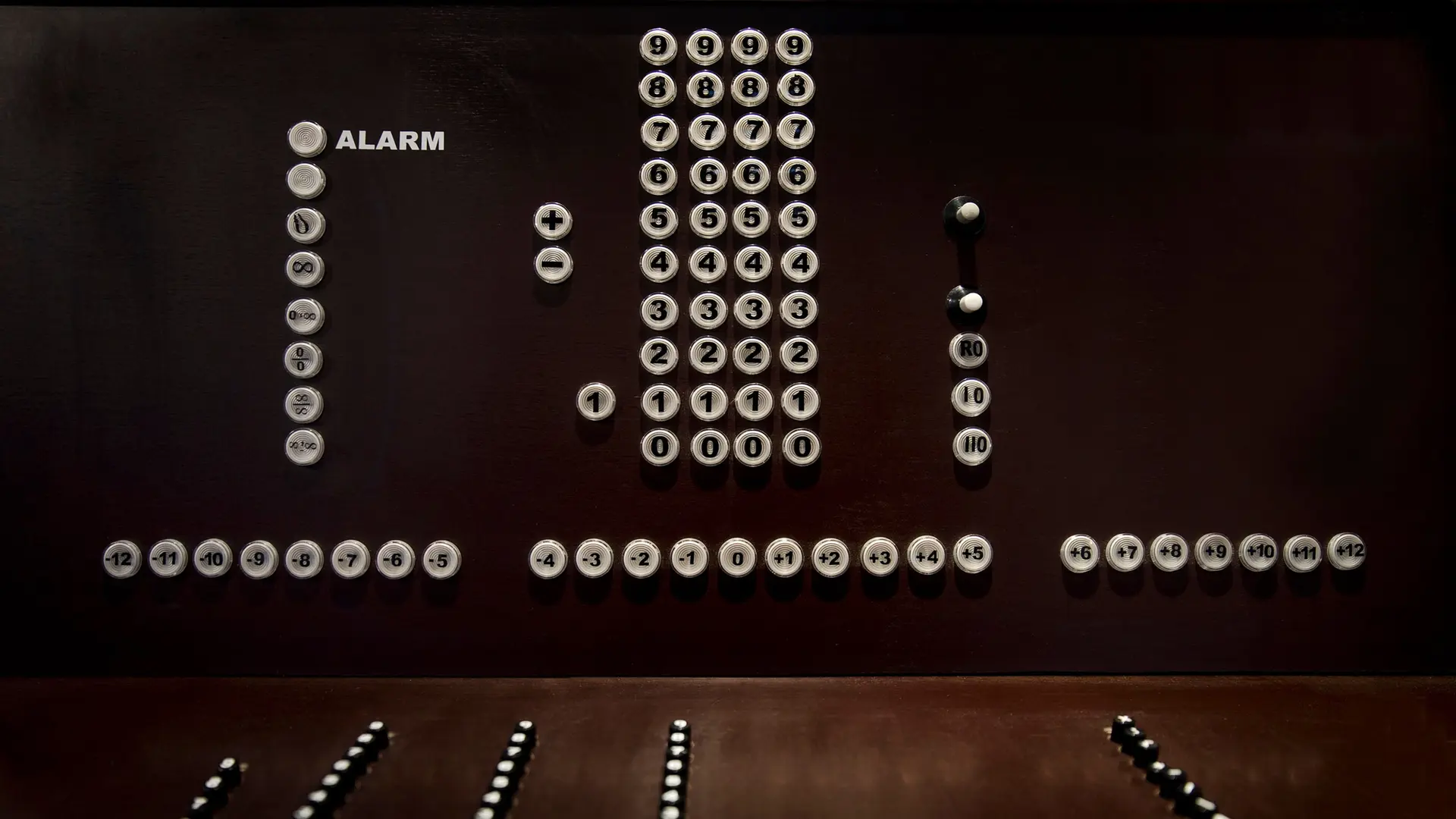
The Zuse Computer Museum (ZCOM) in Hoyerswerda, Saxony, has closed its doors for good. According to MDR, the museum opened to visitors for the last time on the final Friday of August 2026 and has remained shut since the following Tuesday. The supporting foundation announced the museum's end on 1 July 2026, and by the end of the year its collection — described by MDR as award-winning and unique in Germany for the history of computing — is to be dismantled and dissolved.
A museum in the pioneer's home town
Konrad Zuse was born in Berlin in 1910 and moved to Hoyerswerda with his family in 1923, completing his school-leaving qualifications there before building the Z3 in 1941, which MDR describes as the first functioning computer in the world. Hoyerswerda made him an honorary citizen in 1995, the year he died, and heise reports that a small exhibition about his work opened that same year. It closed in 2013 and reopened in 2017 in larger premises with the support of the municipal housing company.
The museum occupies roughly 1,000 square metres in the basement of a prefabricated apartment block on the edge of Hoyerswerda's Neustadt district and traces the development of computing from its beginnings to the present. According to heise, the displays include Zuse machines such as the Z11, Z22, Z22r, Z23 and Z25 alongside East German Robotron hardware of the kind used in the region's open-cast mining industry, and the museum also covers Nikolaus Joachim Lehmann, a computer pioneer born in Lusatia.
The largest part of the collection is not on public display. MDR reports that the support association has gathered 18,000 devices and a specialist library of 6,000 volumes in basement depots — material for which no storage exists if the museum is dissolved on schedule.
How the funding fell apart
The museum's finances rested on an unusual arrangement. According to MDR, the municipal housing company that hosts the museum supplied the foundation's modest start-up capital in 2017 and contributed around 300,000 euros a year to operations. Heise, citing the local magazine Hoyerswerda lebt, reports that the housing company ended a subsidy of 110,000 euros per year — the two reports differ on the amounts involved. In 2025, per MDR, the company's supervisory board decided the museum should close, judging that it could no longer justify a cultural expense unrelated to its core business in difficult economic times. Remaining city subsidies were then placed on the council's agenda, heise reports, with the foundation facing closure unless a "white knight" appeared. None did.
Attendance never matched expectations. Heise puts paying visitors at around 10,000 a year against a plan of 20,000 to 25,000, while MDR says the founding goal was at least 30,000 guests annually — a figure the museum never approached. After the closure was announced, interest spiked: 3,600 people visited within two months, about a third of the entire previous year, according to MDR.
"We are not a model-building exhibition, we are a science museum," Wolfgang Kunde, chair of the support association, told MDR. "We are a place of education, and culture and education will always remain a subsidised operation." He warned that if the exhibition is dismantled, the museum is "lost, destroyed". Mayor Torsten Ruban-Zeh told MDR the funding construct was flawed from the outset, saying he had scrapped a similar arrangement for another municipal venue. Former Robotron engineers travelled from Dresden for a last look at machines they had once worked on, with one telling MDR he could not believe the exhibits were meant to disappear.
Why it matters
Zuse is widely regarded as a father of the computer, and Kunde argues his lasting legacy is the basic computer architecture still in use today. The ZCOM documented both that founding era and East German computing through Robotron hardware, a combination heise calls extensive and MDR calls unique in Germany. If the closure proceeds, the immediate risk is not just a shuttered venue but the irreversible dispersal or destruction of 18,000 devices and a 6,000-volume library with nowhere to go. The case also illustrates how fragile tech heritage can be when a cultural institution depends on a single commercial sponsor — here a housing company — rather than a stable public funding line, and how visitor numbers alone can rarely sustain a specialised scientific museum in a shrinking regional town.
- #computing-history
- #museums
- #konrad-zuse
- #germany
- #funding