· via Hacker News – Front Page (native)
Arizona appeals court vacates sentence over AI-generated victim forgiveness video
An Arizona appeals court threw out a manslaughter sentence after the judge said he loved an AI video of the slain victim voicing forgiveness, calling the sentencing fundamentally unfair.
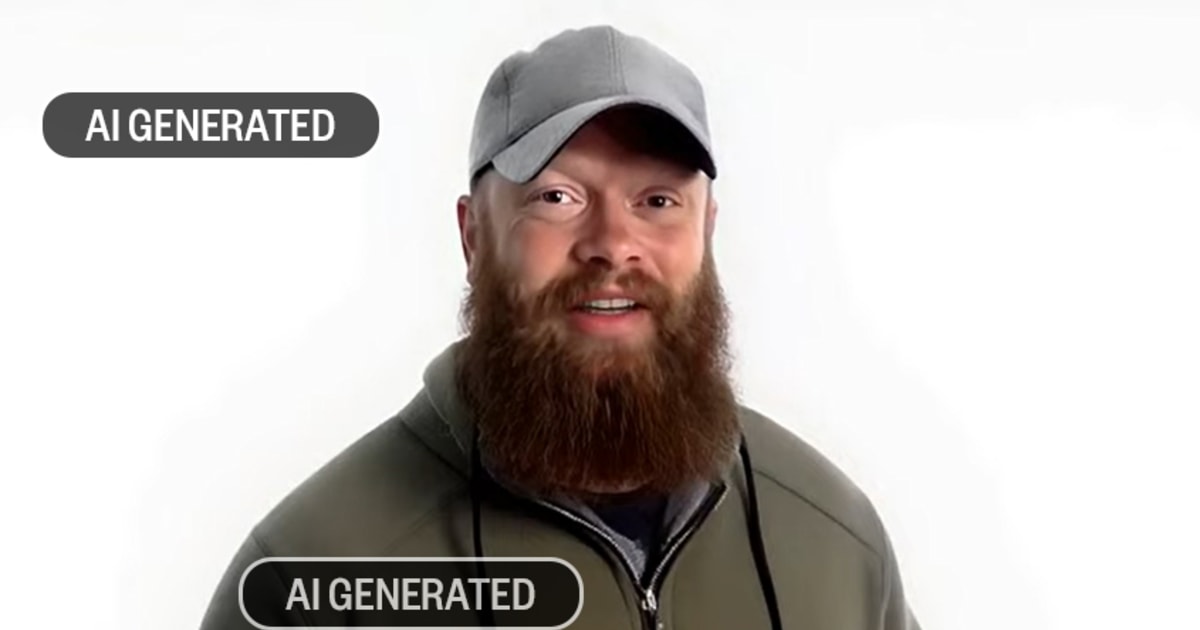
An Arizona appeals court has thrown out the manslaughter sentence given to a man convicted in a 2021 road rage shooting, ruling that a sentencing judge's reliance on an AI-generated video of the victim — in which a digital recreation of the dead man appeared to forgive his killer — made the proceedings fundamentally unfair.
According to NBC News, the Arizona Court of Appeals in Phoenix ordered a resentencing for Gabriel Paul Horcasitas this week. Horcasitas, 54, received the maximum 10½-year sentence in May 2025 from Maricopa County Superior Court Judge Todd Lang, after being convicted of manslaughter and endangerment for the fatal shooting of Christopher Pelkey, 37, on Nov. 13, 2021.
How an AI replica ended up in court
Before the sentencing, Pelkey's sister, Stacey Wales, used his likeness to build an AI-generated video in which a recreation of her brother addressed the court directly. The artificial Pelkey appeared to plead for leniency rather than the maximum penalty his family was demanding.
"To Gabriel Horcasitas, the man who shot me: It is a shame we encountered each other that day in those circumstances," the AI version of Pelkey said, adding that in another life the two men "probably could have been friends" and that he believed in forgiveness, NBC News reported.
The presentation visibly affected the judge. "I loved that AI," Lang said at the hearing, telling the family he found the message "genuine" and that the depicted forgiveness reflected the character witnesses had described. Lang also noted the tension between the family's demand for the maximum sentence and their decision to let the AI version of Pelkey speak, saying he did not hear the recreation ask for the maximum. Even so, while the defense sought the lowest possible sentence, Lang imposed the top term, acknowledging Horcasitas' remorse and otherwise lawful life but describing the family's loss as profound.
What the appeals court decided
On appeal, Horcasitas argued he was denied due process because the sentencing court heard and relied on the AI video. Prosecutors countered that the video reflected what Wales believed her brother "would have said" and was consistent with his written account of his beliefs and values.
The appellate panel sided with Horcasitas. The video "clearly impacted the sentencing judge," the judges wrote, and the judge's consideration of it "so prejudiced Horcasitas as to render the sentencing procedure fundamentally unfair." The court vacated the manslaughter sentence and sent the case back for resentencing. The conviction itself was not overturned.
The panel drew a sharp line between ordinary victim impact material and what this video was. Rather than documenting an event or recording a particular moment, the ruling stated, the AI video presented a depiction of the victim and his thoughts "created from the imaginings of the victim's sister." Because it does not reflect actual events, the court found it crossed from permissible input into undue prejudice.
Attorneys on both sides largely declined to comment on the decision: Horcasitas' lawyer, Kristen Reller, cited the ongoing case, while a lawyer for Pelkey's family did not respond to a request for comment, according to NBC News.
Why it matters
The ruling gives US courts one of their clearest appellate precedents yet on the use of AI-generated likenesses in judicial proceedings. As video and voice cloning tools become cheap and convincing, requests to admit synthetic depictions of people — especially deceased victims who cannot speak for themselves — are likely to grow, and this decision offers a framework for refusing them.
The core distinction the Arizona court drew is consequential: statements from real family members remain admissible, but a fabricated performance putting words and emotions in a dead person's mouth is unduly prejudicial because it presents imagination as testimony. That reasoning protects defendants' due process rights, since a sentence cannot rest on evidence that, in the court's words, does not reflect actual events.
The case also foreshadows broader disputes over consent and likeness, since the video was created by a grieving family with sympathetic intent and still failed the legal test. Whether other jurisdictions follow Arizona's reasoning, or legislatures step in with explicit rules, the decision signals that courts will treat AI-generated people not as neutral evidence but as a new category of risk in the courtroom.
- #ai
- #deepfakes
- #courts
- #criminal-justice
- #generative-ai