· via TechCrunch
California law adds fines up to $5,000 for influencers who hide paid political posts
California's AB 1130 lets regulators fine influencers up to $5,000 per undisclosed paid political post and refer them for possible misdemeanor charges, closing a gap in existing disclosure rules.
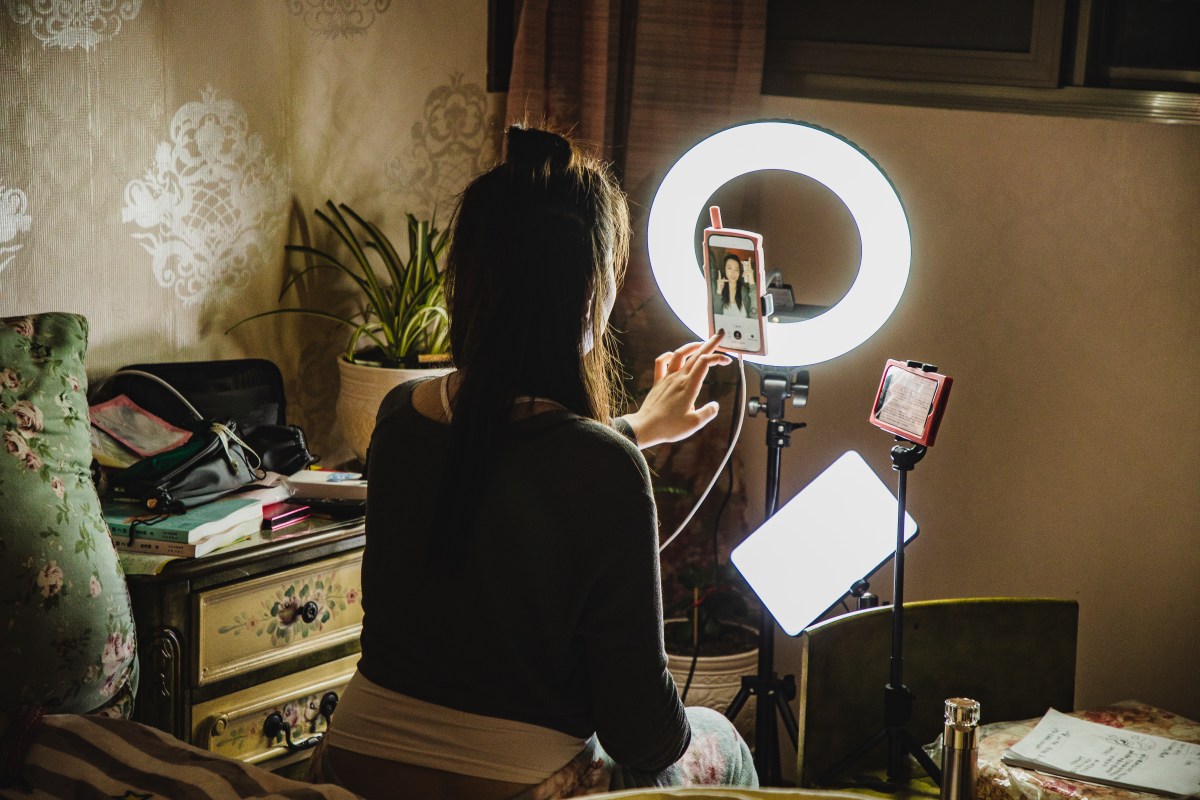
California Governor Gavin Newsom has signed legislation that gives the state's influencer disclosure rules for political content real enforcement power. Under the new law, paid creators who fail to reveal that a political post was sponsored can now be fined thousands of dollars per violation and potentially referred for criminal prosecution.
According to TechCrunch, the bill — AB 1130 — allows regulators to fine influencers up to $5,000 for each violation and to refer them to law enforcement for potential misdemeanor charges.
Closing an enforcement gap
California was not starting from scratch. As The New York Times reports, the state already required influencers to disclose when they were paid to post about state or local races. The shortcoming was that the requirement carried no penalty: someone who ignored it faced no fine and no criminal exposure, leaving regulators with nothing to enforce.
Democratic Assemblyman Marc Berman, the bill's sponsor, said he introduced the legislation after realizing there was "a bit of ambiguity" about the existing law and how it was enforced, according to TechCrunch.
California is also not alone in regulating this space. TechCrunch notes that Texas already requires disclosure for paid political content, and other states are considering comparable regulations.
The campaign that spotlighted the loophole
The reporting that drew attention to the gap centered on a high-profile campaign. According to the NYT, billionaire Tom Steyer — who unsuccessfully sought the Democratic nomination for California governor earlier this year — paid dozens of influencers to post about his campaign online, and many of them did not initially disclose the payments.
Under the old rules, that kind of non-disclosure violated state requirements on paper but triggered no direct consequence. The episode illustrates the type of activity AB 1130 is meant to deter: paid political messaging that reaches voters while appearing to be ordinary personal content.
Part of a broader election package
Newsom signed the bill as part of a wider package of legislation that his office said would protect against potential election interference from President Donald Trump, TechCrunch reports. Influencer disclosure now sits alongside other state measures aimed at the integrity of political communication ahead of upcoming elections.
Why it matters
Political advertising has shifted decisively into social feeds, where paid promotion can be hard to distinguish from organic opinion. Until now, California's disclosure rule asked for honesty without backing it with consequences, so campaigns could plausibly treat influencer spending as a low-risk channel.
A $5,000 fine per violation changes that calculus — a single undisclosed sponsored post could cost a creator more than the payment was worth — and the possibility of a misdemeanor referral raises the stakes further. For platforms, agencies and campaigns, the law turns disclosure in California from a courtesy into a compliance obligation.
The move also signals where regulation is heading. With Texas already mandating disclosure and other states weighing similar measures, paid political influencing is being pushed toward the same transparency standards that have long applied to traditional advertising. The open question is enforcement at scale: identifying undisclosed paid posts across millions of accounts is difficult, and the law's practical impact will depend on how aggressively California regulators use their new tools.
- #california
- #political-advertising
- #influencers
- #regulation
- #social-media