· via Hacker News – Front Page (native)
First- and Second-Gen Nest Learning Thermostats Lose Smart Features as Google Ends Cloud Support
Google cut app control, notifications and voice features from three 2011-2014 Nest Learning Thermostat models when it shut off cloud support in October 2025, and an open-source project now offers a way to restore them.
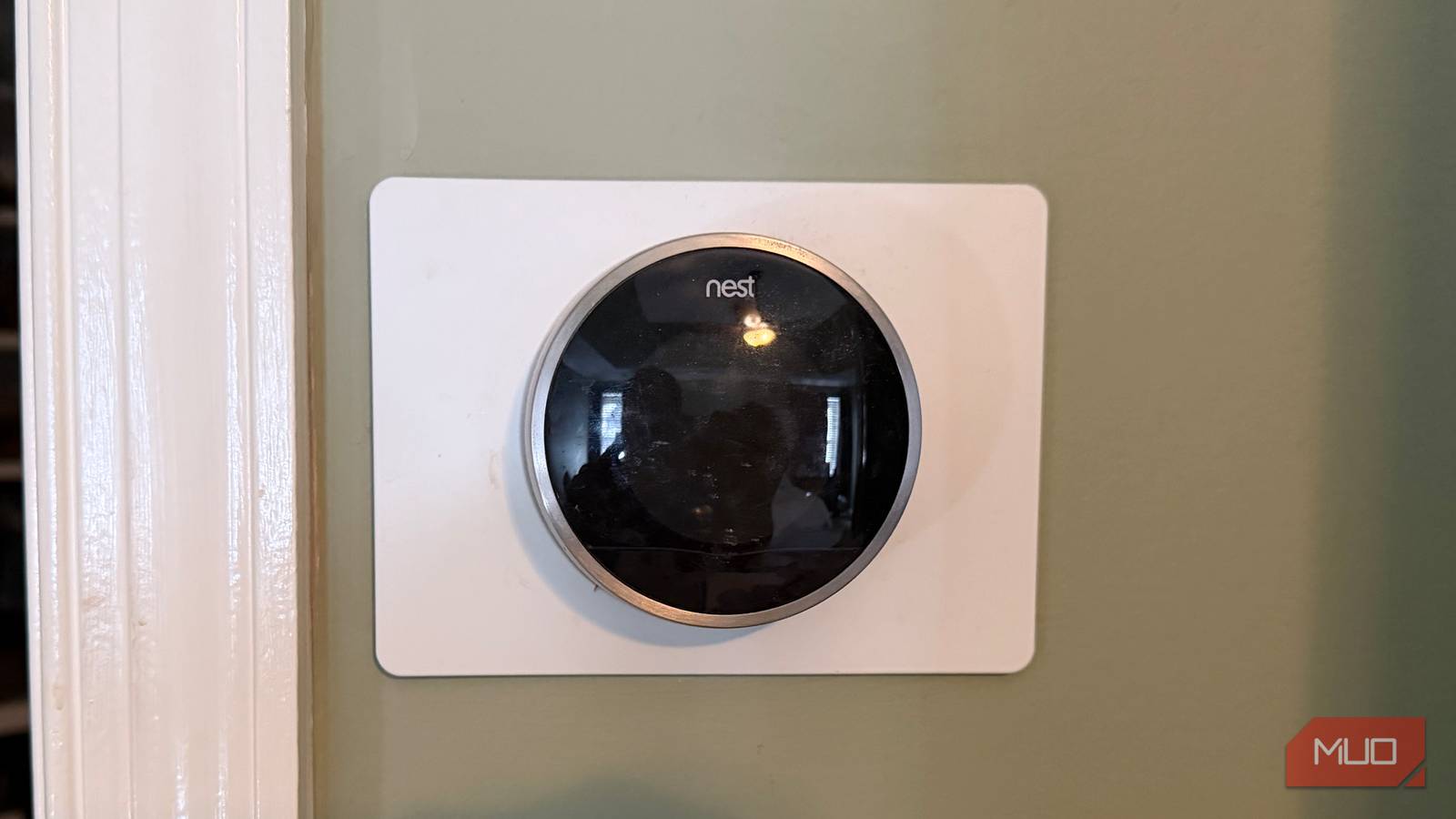
What Google turned off
Three early Nest Learning Thermostat models — the original 2011 device, the second-generation unit from 2012, and a 2014 European version of the second generation — were formally retired in October 2025, and their smart capabilities went with them. According to MakeUseOf, every function on these thermostats that relied on Google's servers stopped working as of October 25, 2025.
Google presented the move as a matter of priorities. In a community post quoted by MakeUseOf, the company said: "To fully invest in these advancements and bring you the most cutting-edge features on our latest generation of Nest thermostats, we will be transitioning away from supporting three of our oldest devices, each over a decade old."
Software updates for the three models ended at the same time. Losing new features and bug fixes for ageing hardware is one thing; MakeUseOf's criticism centres on what came next — the remote and voice functionality that defined the product was switched off server-side.
What owners lost
Citing Google's own support documentation, MakeUseOf lists the capabilities that disappeared: checking the thermostat's status in the Nest or Home app, controlling it remotely, receiving notifications, and changing settings from a phone or tablet. Voice control through Google Assistant, since rebranded to Gemini, no longer functions either.
The cutoff also severed connections beyond Google's own ecosystem. Links to third-party assistants and to Nest Protect smoke detectors were permanently broken, while features such as Home/Away Assist, multi-device Eco Mode and emergency shut off stopped working. In practice, most of what made these devices "learning" thermostats was tied to the cloud and vanished with it.
What still works
The thermostats were not bricked. MakeUseOf notes that everything running locally on the device continues to function: owners can still set temperatures manually, switch heating and cooling modes, and program custom schedules directly on the unit. The hardware remains usable as a conventional thermostat — which is precisely what it has reverted to being.
Google did give advance warning of the shutdown and offered affected owners discount credits toward newer models, according to MakeUseOf. The third-generation Nest Learning Thermostat, the Nest Thermostat E, the Nest Thermostat and the fourth-generation Learning Thermostat are unaffected — for now.
An open-source lifeline
For owners unwilling to upgrade, MakeUseOf points to a remedy: a free and open-source project, credited to a developer going by NoLongerEvil, that lets users self-host the cloud services these thermostats depend on. By pointing the devices at a server the owner controls, the project reportedly restores the app-based control and connected features Google withdrew. MakeUseOf's coverage does not suggest Google endorses this approach, and it depends on community maintenance rather than vendor support.
Why it matters
A basic thermostat wired into a home's heating and cooling system can run for decades without anyone touching it. This episode shows what happens when that category absorbs a cloud dependency: the effective lifespan of the product is set by a vendor's server roadmap, not by the hardware's durability. Ten-plus years of support is generous by consumer-electronics standards, yet it is short relative to how long a thermostat physically lasts — and how long a homeowner reasonably expects to keep one.
The precedent now applies to every internet-connected device Google sells, and to smart home gear more broadly. Buyers evaluating cloud-dependent hardware should treat the shutdown date as part of the purchase decision, in the same way they would battery life or compatibility. The Nest case also demonstrates the two escape hatches that tend to emerge when vendors walk away: advance notice and trade-in credits on one side, and community-built, self-hosted replacements on the other. The first softens the blow; the second only exists because the devices were popular enough for volunteers to bother reversing.
- #smart-home
- #google-nest
- #cloud
- #open-source