· via Hacker News – Front Page (hnrss.org)
Hobbyist ALPR camera built to track police earns its maker a doorstep visit
A Canadian software engineer who built a license plate recognition camera to log police vehicles got a home visit from officers raising privacy concerns — the same concern citizens raise about mass ALPR networks.
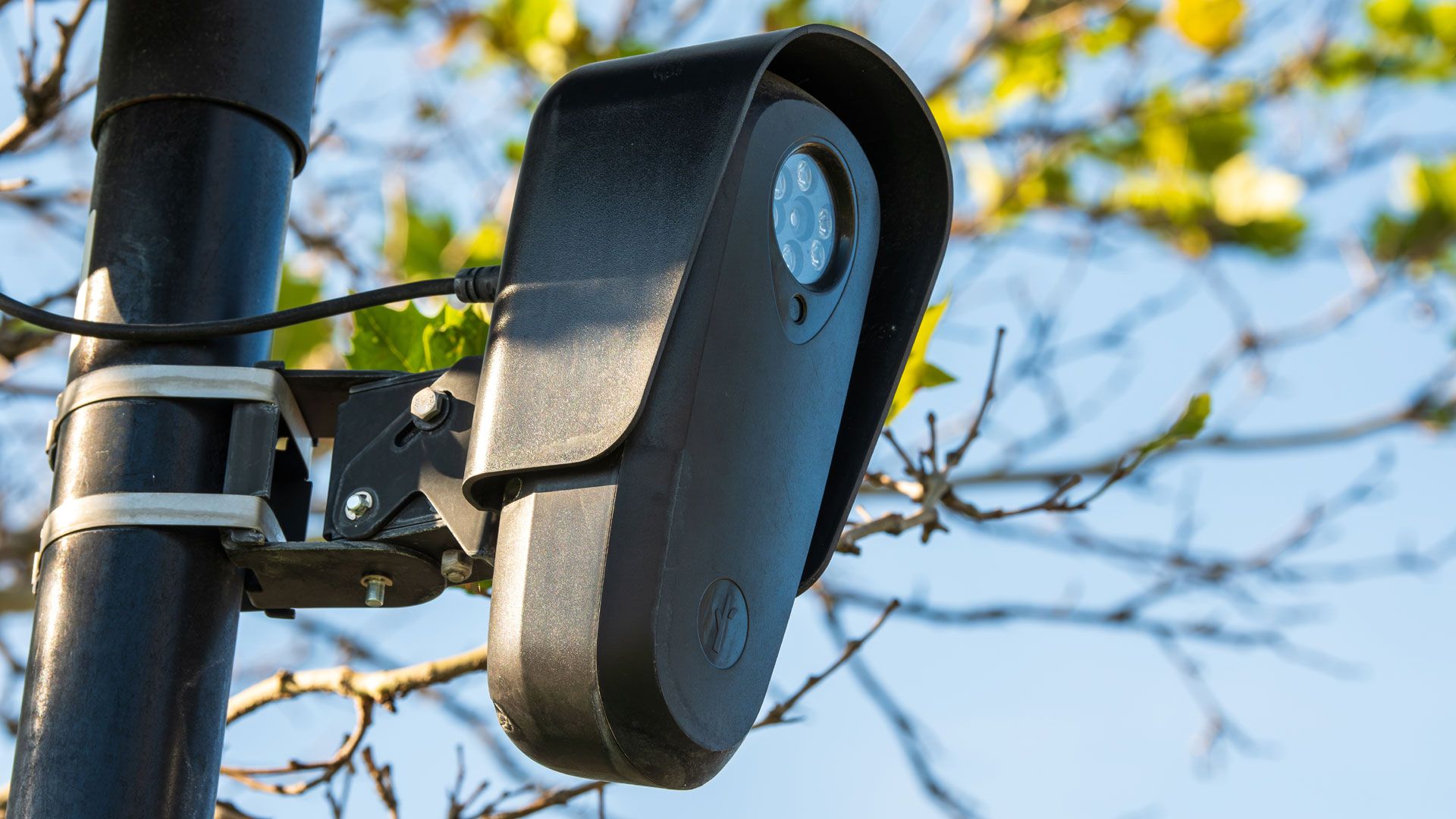
Officers at the door
A Canadian software engineer who built a license plate recognition camera to track police vehicles answered a knock on September 20 and found two officers on his doorstep wanting to talk about the device. According to Tom's Hardware, Anthony Sistilli recounted the encounter in a video posted to his YouTube channel on October 7, saying the officers came to ask about the project and what he intended to do with it.
A plate reader pointed the other way
The build is a do-it-yourself automatic license plate recognition, or ALPR, camera configured to log police cars specifically — a hobbyist inversion of the plate-reading equipment law enforcement agencies themselves deploy against the general public. The story, which surfaced on the front page of Hacker News, has been characterized as a "Flock-like" device, a reference to Flock Safety, the US public-safety technology company whose camera networks have become the most recognizable face of mass vehicle tracking in North America. Per Tom's Hardware, the officers' questions centered on the device and Sistilli's purposes for it, with the visit framed around privacy concerns.
Sistilli's response, as the report recounts it, leaned on the symmetry of the situation. The discomfort the officers carried to his door — being recorded by a plate reader they did not install and could not opt out of — is the same discomfort ordinary drivers have voiced as ALPR hardware has spread across public roads.
The network behind the point
The backdrop is why a single hobbyist camera lands as commentary rather than gadgetry. Tom's Hardware, citing figures attributed to Flock Safety itself, reports that the company has scaled a centralized national surveillance network to more than 120,000 cameras operating across 49 US states, logging billions of vehicle scans every month. That scale is what turned plate recognition from a niche policing tool into a standing civic argument, and it is the context in which one camera aimed at patrol cars reads as a statement about who gets to watch whom.
Why it matters
The episode compresses the surveillance-reciprocity debate into a doorstep conversation. If it is reasonable for the state to log the movements of ordinary drivers at population scale, it is difficult to explain why the reverse deserves a house call — and if the reverse is genuinely unsettling, that reaction is evidence about the original arrangement. The notable detail here is not the camera but the response to it. When the watchers briefly experience being watched, the objections that surface — unclear purpose, unknown data retention, no consent — closely match the objections long raised about commercial ALPR networks, where they are typically met with assurances rather than hard limits. One homemade device made that contradiction visible enough that two officers came to ask about it in person.
- #surveillance
- #privacy
- #alpr
- #flock-safety
- #diy